

FERTILITY
Helping you take confident steps toward parenthood through personalised, evidence-based care.
Comprehensive Fertility Care
Infertility can be emotionally challenging, but effective treatment begins with understanding your body and having the right support.
Dr Priya Rajagopal provides complete fertility care — from simple ovulation treatments to advanced assisted reproductive technologies — guiding you compassionately through every stage.

Fertility Services
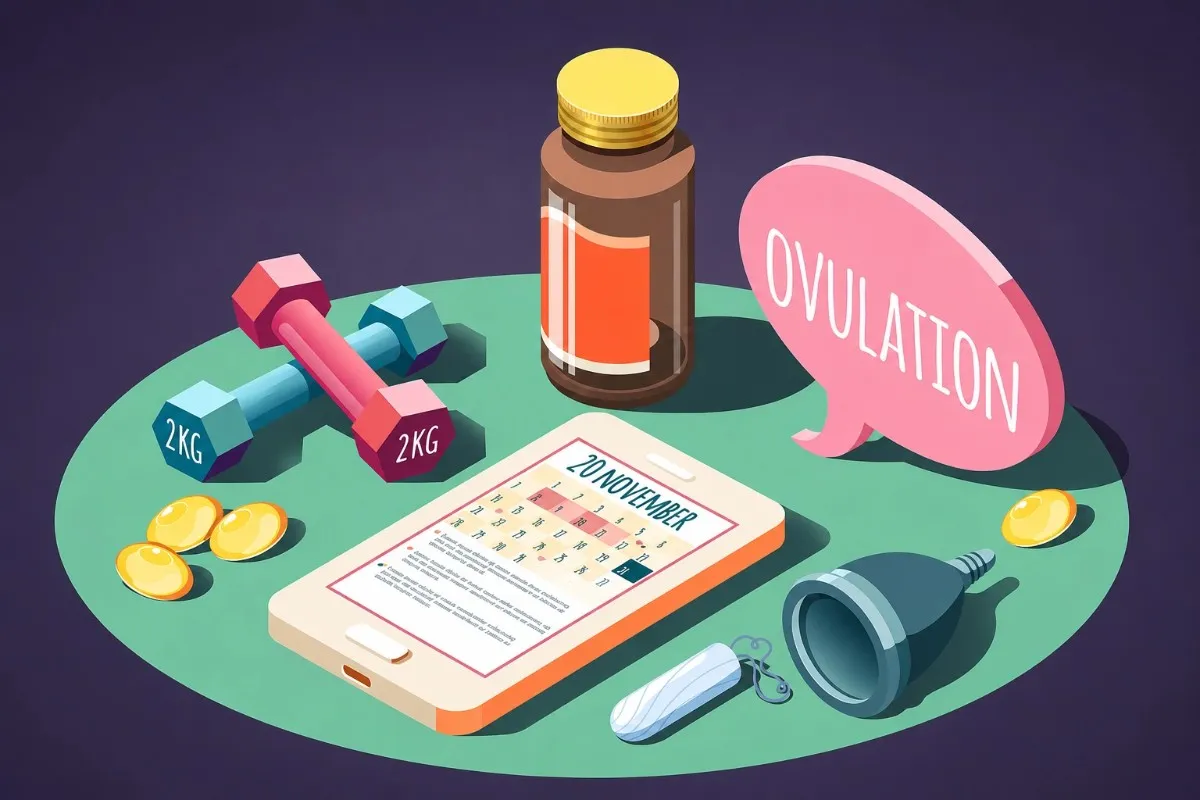
Ovulation Induction
Stimulates ovulation using tablets or gentle hormone therapy.
For many women, difficulty conceiving is linked to irregular or absent ovulation. Without ovulation, no egg is available for fertilisation—making natural conception unlikely. This is most common in women with polycystic ovarian syndrome (PCOS) or those whose cycles are longer than 35 days.
Ovulation induction is a simple and minimally invasive treatment that stimulates the ovaries to release an egg.
For most women, this involves taking oral medications such as letrozole or clomiphene citrate for five days early in the menstrual cycle.
When tablets alone are not effective, low-dose hormone injections may be used to trigger ovulation.
In some cases, IVF may be the next recommended step.
Your cycle will be closely monitored with ultrasounds and blood tests to determine your ovulation day and guide the best timing for conception.
Because multiple pregnancies can occur if more than one egg is released, this monitoring ensures safety and precision.
If your menstrual cycles are irregular or absent and you’re trying to conceive, book a consultation to discuss whether ovulation induction is right for you.
Intrauterine Insemination (IUI)
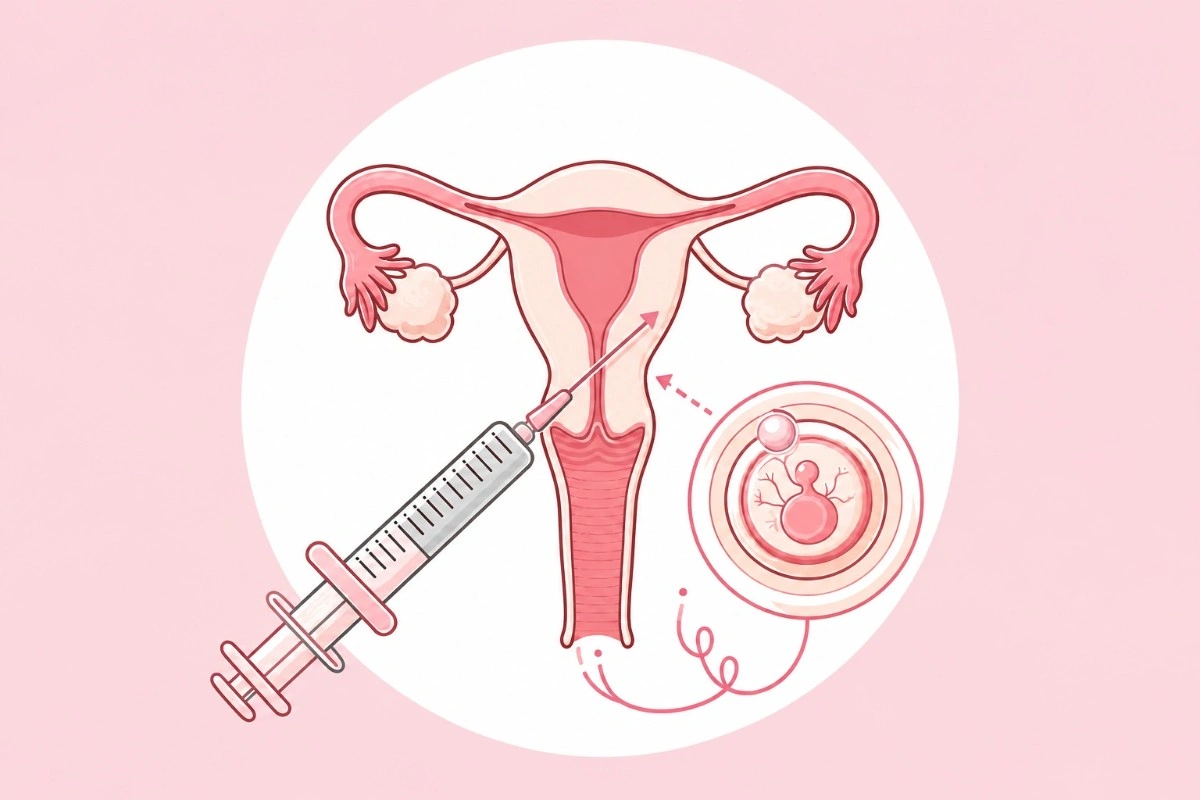
A fertility treatment that places specially prepared sperm directly into the uterus at the most optimal time for conception.
Intrauterine insemination (IUI) — sometimes called artificial insemination — is a simple and low-intervention fertility treatment that places prepared sperm directly into the uterus at the time of ovulation. This gives sperm a “head start” on their journey to meet the egg.
IUI may be suitable if you:
- Have unexplained infertility
- Have mild male-factor infertility
- Have cervical scarring or factors limiting sperm passage
- Have not conceived with ovulation induction alone
- Cannot have regular intercourse
- Need to use frozen partner sperm or donor sperm.
However, IUI is not recommended if there is severe male-factor infertility, blocked fallopian tubes, or severe endometriosis.
The aim of IUI is to increase the number of healthy sperm reaching the fallopian tubes, improving the chance of fertilisation naturally. It is one of the simplest, most cost-effective fertility options available today.
In Vitro Fertilisation (IVF)
Combines eggs and sperm in a specialised lab; the embryo is transferred to the uterus.
For couples and individuals facing infertility, IVF (in vitro fertilisation) has transformed what’s possible. In Australia, approximately 1 in 18 babies is now conceived through IVF.
What is IVF?
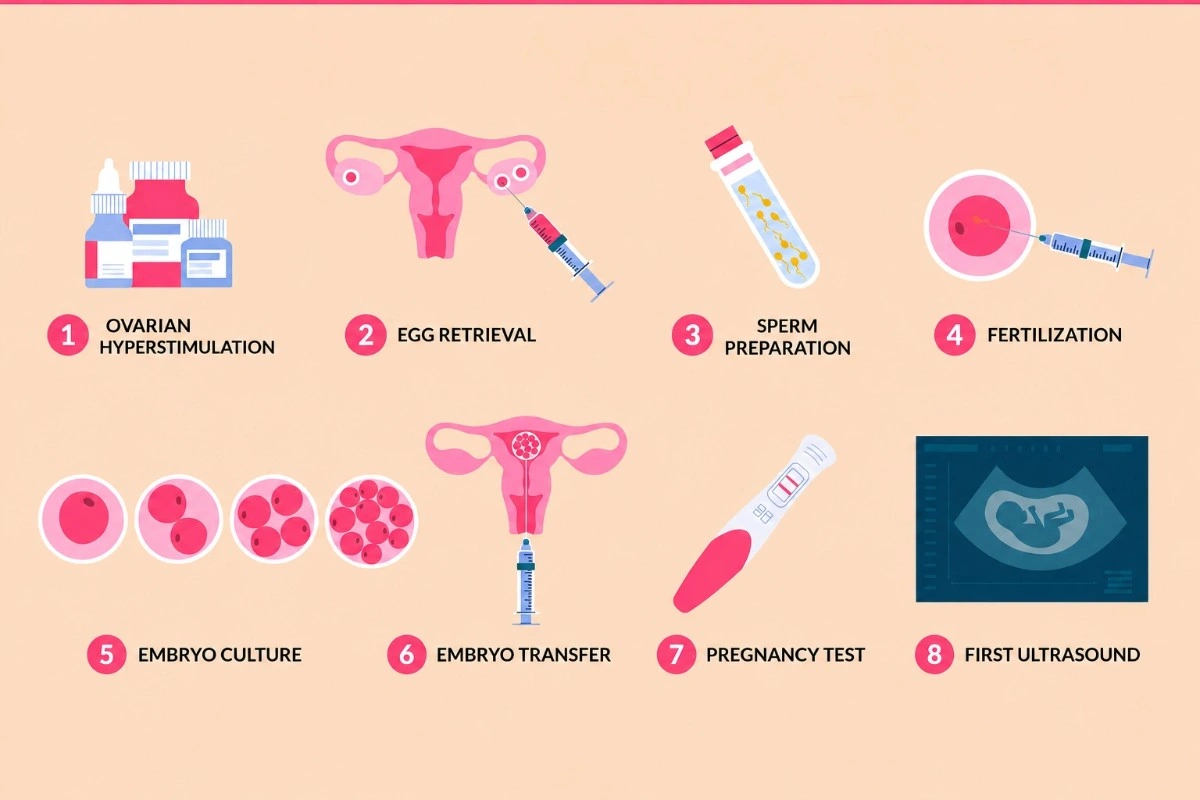
IVF involves combining an egg and sperm in a specialised laboratory to create embryos, which are then transferred to the uterus. Each step is personalised, and our team supports you from start to finish.
Your IVF Journey
- Initial Consultation
A comprehensive assessment of your history, investigations, and fertility goals with Dr Priya.
- Pre-treatment Testing
This may include ultrasound scans, hormone testing, sperm analysis, and genetic screening to determine suitability.
- Ovarian Stimulation
Hormonal medications are prescribed to stimulate multiple follicles. You’ll be guided on how to self-administer injections, with regular blood tests and ultrasounds to track progress.
- Egg Collection
A short 15–20-minute procedure under light sedation, where eggs are retrieved from the ovaries using ultrasound guidance.
- Fertilisation & Embryo Development
The eggs are combined with sperm in the lab. Fertilised eggs are cultured for several days to form embryos.
- Embryo Transfer
A single healthy embryo is transferred to the uterus. Remaining viable embryos can be safely frozen for future use.
- The Two-Week Wait
All IVF patients in Victoria are required to complete criminal record and child protection checks. Our administrative team will guide you through this process, along with counselling and consent requirements.
Throughout the journey, our focus remains on your emotional well-being as well as clinical success.
Intracytoplasmic Sperm Injection (ICSI)
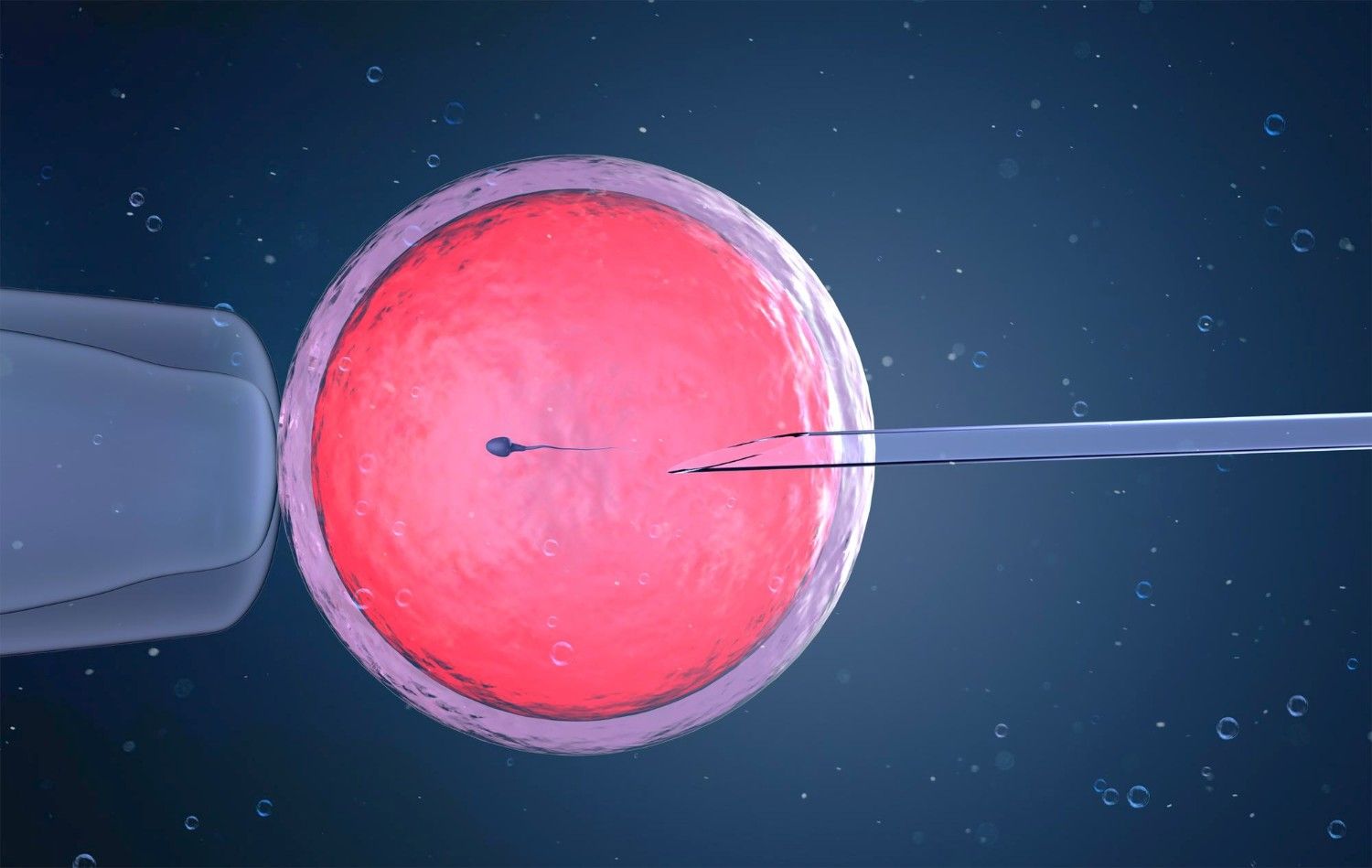
Injects a single sperm directly into an egg to overcome male-factor infertility.
ICSI is an advanced laboratory technique performed as part of an IVF cycle. It involves injecting a single healthy sperm directly into an egg to achieve fertilisation.
ICSI is particularly effective when:
- The male partner has a very low sperm count, abnormal sperm forms, or poor sperm motility.
- Previous IVF cycles showed poor fertilisation rates.
- Sperm are surgically retrieved from the testes in cases of azoospermia.
While standard IVF relies on thousands of sperm surrounding each egg, ICSI requires only one sperm per egg, offering hope in even the most challenging male-factor infertility cases.
Preimplantation Genetic Testing (PGT/PGD)
Screens embryos for genetic or chromosomal abnormalities before transfer.
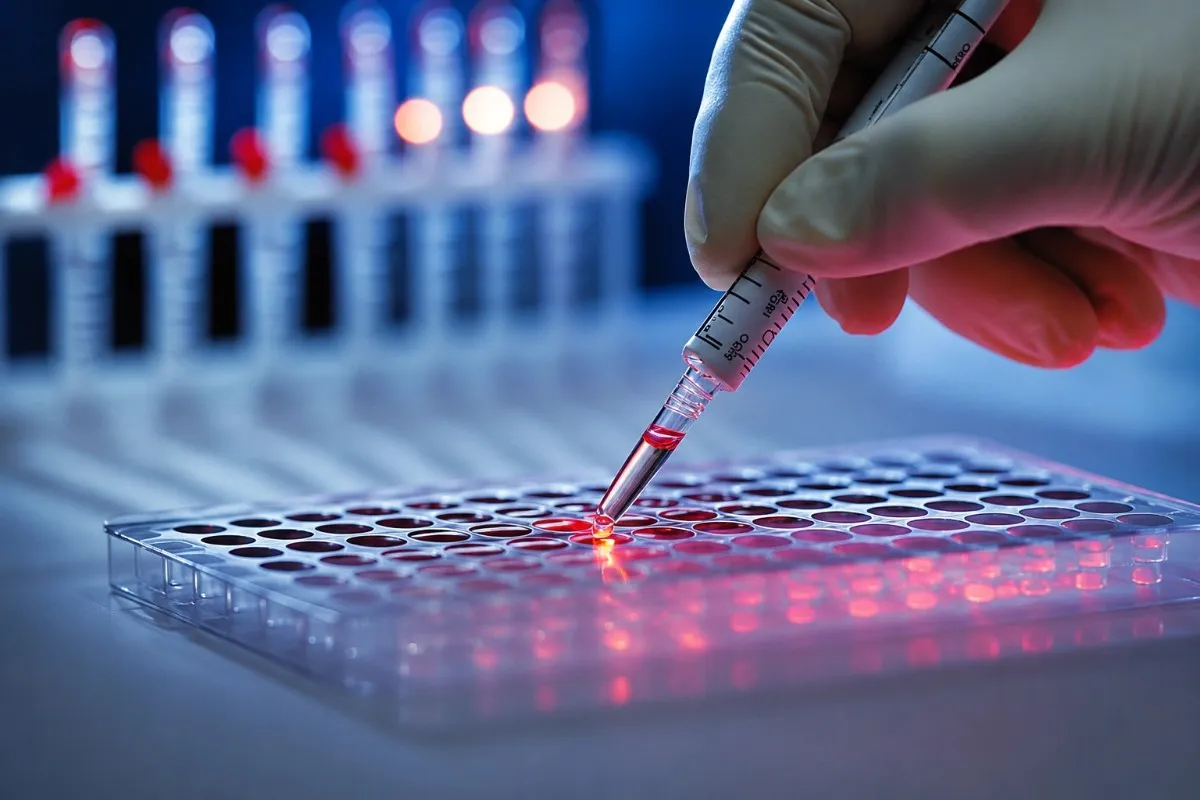
Preimplantation Genetic Diagnosis (PGD) — also called Preimplantation Genetic Testing (PGT-M) — allows screening of embryos created through IVF for specific genetic disorders before transfer.
PGD is used when one or both partners are known carriers of a genetic mutation, helping prevent transmission to future children.
A few cells are carefully biopsied from a day-5 embryo (blastocyst) and tested in a genetic laboratory, while the embryo is safely frozen.
PGD can detect single-gene disorders such as:
- Cystic fibrosis
- Thalassemia
- Fragile X syndrome
- Huntington’s disease
- Spinal muscular atrophy
This process is different from PGT-A (formerly PGS), which screens embryos for chromosomal abnormalities rather than specific gene mutations.
Egg Freezing
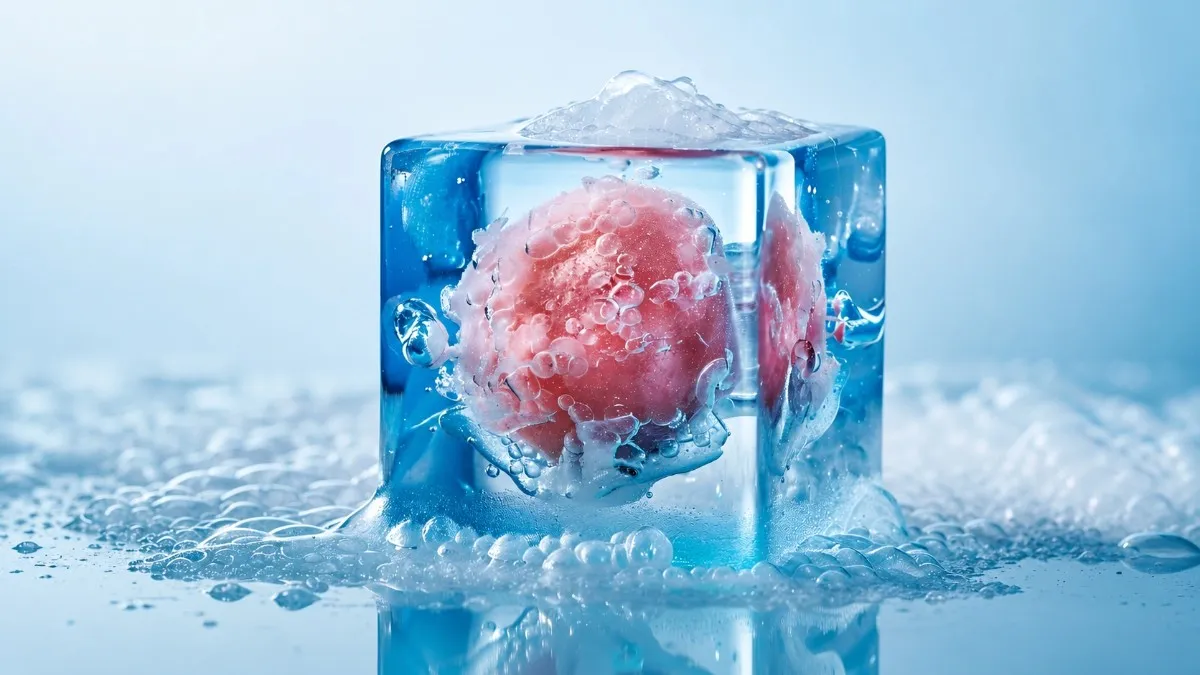
Preserves fertility for future family planning using state-of-the-art vitrification.
Egg freezing (oocyte cryopreservation) is an empowering option that allows women to preserve their fertility for the future. Since fertility naturally declines with age—largely due to egg quality—freezing eggs at a younger age can help protect your reproductive potential.
How Egg Freezing Works
- Daily hormone injections stimulate the ovaries to produce multiple eggs.
- Regular blood tests and ultrasounds monitor your response.
- Mature eggs are retrieved via a brief, minimally invasive procedure.
- High-quality eggs are frozen using vitrification, a rapid-freezing process that prevents ice-crystal damage.
- Your frozen eggs can be stored safely for years, preserving your current fertility potential.
Why Consider Egg Freezing?
Women choose egg freezing for many reasons, including:
- Wanting children in the future but not yet ready to start a family.
- A recent relationship change or uncertain timing.
- Upcoming medical treatment (such as chemotherapy) that may affect fertility.
- Health conditions like endometriosis.
- Personal choice—keeping options open for later.
Age and Success
The younger you are when freezing your eggs, the better the quality and quantity. For instance, eggs frozen at age 30 carry the same success potential when used at age 35 as they did at age 30.
Dr Priya Rajagopal partners with Monash IVF to ensure you receive world-class care at every step of your fertility preservation journey.
Ovulation Induction
Ovulation Induction
Stimulates ovulation using tablets or gentle hormone therapy.
For many women, difficulty conceiving is linked to irregular or absent ovulation. Without ovulation, no egg is available for fertilisation — making natural conception unlikely. This is most common in women with polycystic ovarian syndrome (PCOS) or those whose cycles are longer than 35 days.
Ovulation induction is a simple and minimally invasive treatment that stimulates the ovaries to release an egg.
For most women, this involves taking oral medications such as letrozole or clomiphene citrate for five days early in the menstrual cycle.
When tablets alone are not effective, low-dose hormone injections may be used to trigger ovulation.
In some cases, IVF may be the next recommended step.
Your cycle will be closely monitored with ultrasounds and blood tests to determine your ovulation day and guide the best timing for conception.
Because multiple pregnancies can occur if more than one egg is released, this monitoring ensures safety and precision.
If your menstrual cycles are irregular or absent and you’re trying to conceive, book a consultation to discuss whether ovulation induction is right for you.
Intrauterine Insemination (IUI)
Intrauterine Insemination (IUI)
Places prepared sperm directly into the uterus at the optimal time.
Intrauterine insemination (IUI) — sometimes called artificial insemination — is a simple and low-intervention fertility treatment that places prepared sperm directly into the uterus at the time of ovulation. This gives sperm a “head start” on their journey to meet the egg.
IUI may be suitable if you:
Have unexplained infertility
Have mild male-factor infertility
Have cervical scarring or factors limiting sperm passage
Have not conceived with ovulation induction alone
Cannot have regular intercourse
Need to use frozen partner sperm or donor sperm
However, IUI is not recommended if there is severe male-factor infertility, blocked fallopian tubes, or severe endometriosis
The aim of IUI is to increase the number of healthy sperm reaching the fallopian tubes, improving the chance of fertilisation naturally. It is one of the simplest, most cost-effective fertility options available today.
In Vitro Fertilisation (IVF)
In Vitro Fertilisation (IVF)
Combines eggs and sperm in a specialised lab; embryo transferred to uterus.
For couples and individuals facing infertility, IVF (in vitro fertilisation) has transformed what’s possible. In Australia, approximately 1 in 18 babies is now conceived through IVF.
What is IVF?
IVF involves combining an egg and sperm in a specialised laboratory to create embryos, which are then transferred to the uterus. Each step is personalised, and our team supports you from start to finish.
Your IVF Journey
- Initial Consultation
A comprehensive assessment of your history, investigations, and fertility goals with Dr Priya.
- Pre-treatment Testing
This may include ultrasound scans, hormone testing, sperm analysis, and genetic screening to determine suitability.
- Ovarian Stimulation
Hormonal medications are prescribed to stimulate multiple follicles. You’ll be guided on how to self-administer injections, with regular blood tests and ultrasounds to track progress.
- Egg Collection
A short 15–20-minute procedure under light sedation, where eggs are retrieved from the ovaries using ultrasound guidance.
- Fertilisation & Embryo Development
The eggs are combined with sperm in the lab. Fertilised eggs are cultured for several days to form embryos.
- Embryo Transfer
A single healthy embryo is transferred to the uterus. Remaining viable embryos can be safely frozen for future use.
- The Two-Week Wait
A pregnancy test is performed about two weeks after transfer to confirm results.
All IVF patients in Victoria are required to complete criminal record and child protection checks. Our administrative team will guide you through this process, along with counselling and consent requirements.
Throughout the journey, our focus remains on your emotional wellbeing as well as clinical success.
Intracytoplasmic Sperm Injection (ICSI)
Intracytoplasmic Sperm Injection (ICSI)
Injects a single sperm directly into an egg to overcome male-factor infertility.
ICSI is an advanced laboratory technique performed as part of an IVF cycle. It involves injecting a single healthy sperm directly into an egg to achieve fertilisation.
ICSI is particularly effective when:
The male partner has a very low sperm count , abnormal sperm forms or poor sperm motility.
Previous IVF cycles showed poor fertilisation rates
Sperms that are surgically retrieved from testes in the cases of azoospermia on semen samples.
While standard IVF relies on thousands of sperm surrounding each egg, ICSI requires only one sperm per egg, offering hope in even the most challenging male-factor cases.
Preimplantation Genetic Testing (PGT/PGD)
Preimplantation Genetic Testing (PGT/PGD)
Screens embryos for genetic or chromosomal abnormalities before transfer.
Preimplantation Genetic Diagnosis (PGD) — also called Preimplantation Genetic Testing (PGT-M) — allows screening of embryos created through IVF for specific genetic disorders before transfer.
PGD is used when one or both partners are known carriers of a genetic mutation, helping prevent transmission to future children.
A few cells are carefully biopsied from a day-5 embryo (blastocyst) and tested in a genetic laboratory, while the embryo is safely frozen.
PGD can detect single-gene disorders such as:
*Cystic fibrosis
*Thallassemia
*Fragile X syndrome
*Huntington’s disease
*Spinal muscular atrophy
This process is different from PGT-A (formerly PGS), which screens embryos for chromosomal abnormalities rather than specific gene mutations.
Egg Freezing
Egg Freezing
Preserves fertility for future family planning using state-of-the-art vitrification.
Egg freezing (oocyte cryopreservation) is an empowering option that allows women to preserve their fertility for the future. Since fertility naturally declines with age — largely due to egg quality — freezing eggs at a younger age can help protect your reproductive potential.
How Egg Freezing Works
Daily hormone injections stimulate the ovaries to produce multiple eggs
Regular blood tests and ultrasounds monitor your response
Mature eggs are retrieved via a brief, minimally invasive procedure
High-quality eggs are frozen using vitrification, a rapid-freezing process that prevents ice-crystal damage
Your frozen eggs can be stored safely for years, preserving your current fertility potential
Why Consider Egg Freezing?
Women choose egg freezing for many reasons, including:
Wanting children in the future but not yet ready to start a family
A recent relationship change or uncertain timing
Upcoming medical treatment (such as chemotherapy) that may affect fertility
Health conditions like endometriosis
Personal choice — keeping options open for later
Age and Success
The younger you are when freezing your eggs, the better the quality and quantity. For instance, eggs frozen at age 30 carry the same success potential when used at 35 as they did at 30.
Dr Priya Rajagopal partners with Monash IVF to ensure you receive world-class care at every step of your fertility preservation journey.