

GYNAECOLOGY
Caring for women with empathy, expertise, and trust.
Comprehensive Gynaecological Care
Your comfort and well-being are central to Dr Priya Rajagopal’s approach. As an experienced female gynaecologist in Melbourne, she provides diagnosis and treatment for a broad range of women’s health conditions, including menstrual disorders, abnormal uterine bleeding, pelvic pain, endometriosis, fibroids, ovarian cysts, hormonal concerns and reproductive health issues.
Her care combines careful assessment, advanced diagnostic options, minimally invasive treatment where appropriate, and compassionate support to help women make informed decisions about their health at every stage of life.
Dr Priya consults patients across Melbourne, including Bundoora, Epping, Craigieburn and Hoppers Crossing. If you are experiencing ongoing symptoms or have concerns about your gynaecological health, book a consultation to discuss your individual needs and treatment options.
Gynaecology Conditions
Abnormal Uterine Bleeding
Abnormal uterine bleeding refers to menstrual bleeding that is heavier, longer, more frequent, or more irregular than usual. If you are experiencing ongoing changes to your period, seeking abnormal uterine bleeding treatment in Melbourne can help identify the cause and guide the right management plan.
Bleeding may be considered abnormal when it includes:
- Bleeding for more than 7 days
- Heavy flow or flooding through pads or tampons
- Blood clots larger than 3 cm
- Spotting or bleeding between periods
- Periods occurring less than 21 days apart
- Periods occurring more than 35 days apart
Common causes of abnormal bleeding may include hormonal imbalance, thyroid disorders, fibroids, polyps, cervical or uterine infection, endometriosis, coagulation disorders, or other gynaecological conditions.
Assessment usually begins with a detailed medical history and examination.
Depending on your symptoms, your gynaecologist may recommend blood tests, pelvic ultrasound, cervical screening, or an endometrial biopsy. In some cases, a hysteroscopy may be used to view the inside of the uterus and obtain a tissue sample if needed.
Treatment depends on the cause, severity of bleeding, age, medical history, and reproductive goals.
Options may include:
- Combined contraceptive pill
- Progesterone-only medication
- Mirena IUD
- Endometrial ablation
- Hysterectomy, when appropriate
If abnormal bleeding is affecting your comfort, daily routine, or quality of life, book a consultation with Dr Priya Rajagopal to discuss your symptoms and treatment options. This information is general in nature and does not replace personalised medical advice.

Adenomyosis
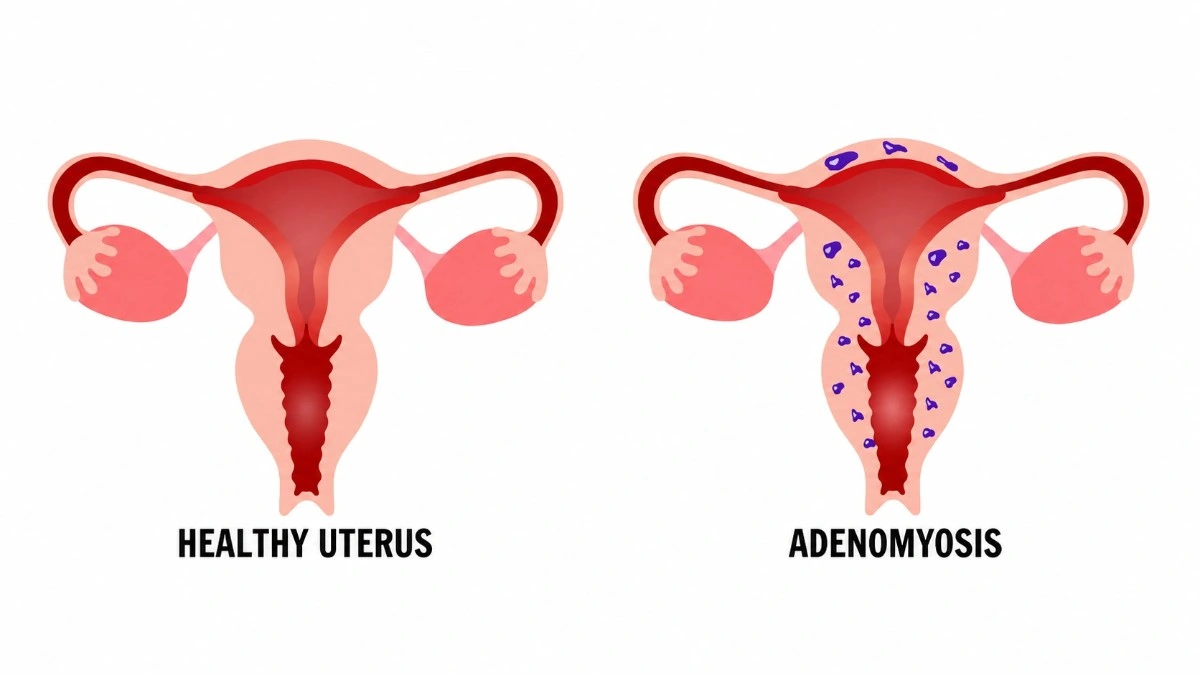
Adenomyosis is a condition of the uterus where cells similar to the endometrium, the lining of the uterus, grow within the muscular wall of the uterus. This can cause the uterus to become enlarged, tender, and more sensitive during the menstrual cycle.
If you are experiencing heavy or painful periods, pelvic discomfort, or fertility concerns, consulting an adenomyosis specialist in Melbourne can help you understand your symptoms and treatment options.
Adenomyosis may occur on its own or alongside endometriosis. Symptoms can vary from mild to severe, and some women may not realise they have the condition until it is investigated during fertility or pelvic pain assessment.
Common symptoms may include:
- Heavy menstrual bleeding
- Painful periods
- Pelvic pain or pressure
- Pain during intercourse
- Bloating or an enlarged uterus sensation
- Difficulty conceiving or subfertility
Diagnosis may involve a detailed medical history, pelvic examination, ultrasound, or other imaging, depending on the patient’s symptoms and clinical findings.
Treatment for adenomyosis depends on age, symptom severity, fertility goals, and overall health. Common treatment options may include hormonal contraceptives, the Mirena IUD, pain management, or medications that temporarily reduce hormone activity and mimic a medical menopause.
If symptoms are affecting your quality of life, book a consultation to discuss diagnosis, treatment options, and ongoing management.
Uterine Fibroids
Fibroids, also known as myomas, are benign growths that develop in the muscle wall of the uterus. They can vary greatly in size, from very small growths to larger masses that may affect periods, pelvic comfort, fertility, or pregnancy. If you are experiencing symptoms, consulting a uterine fibroid specialist Melbourne can help you understand your condition and treatment options.
Fibroids are not cancerous, and many women may have them without symptoms. In some cases, they are found during a pelvic examination or routine ultrasound. However, fibroids may cause:
- Heavy or prolonged periods
- Bleeding between periods
- Period pain or pelvic discomfort
- Bloating
- Fertility or pregnancy-related concerns
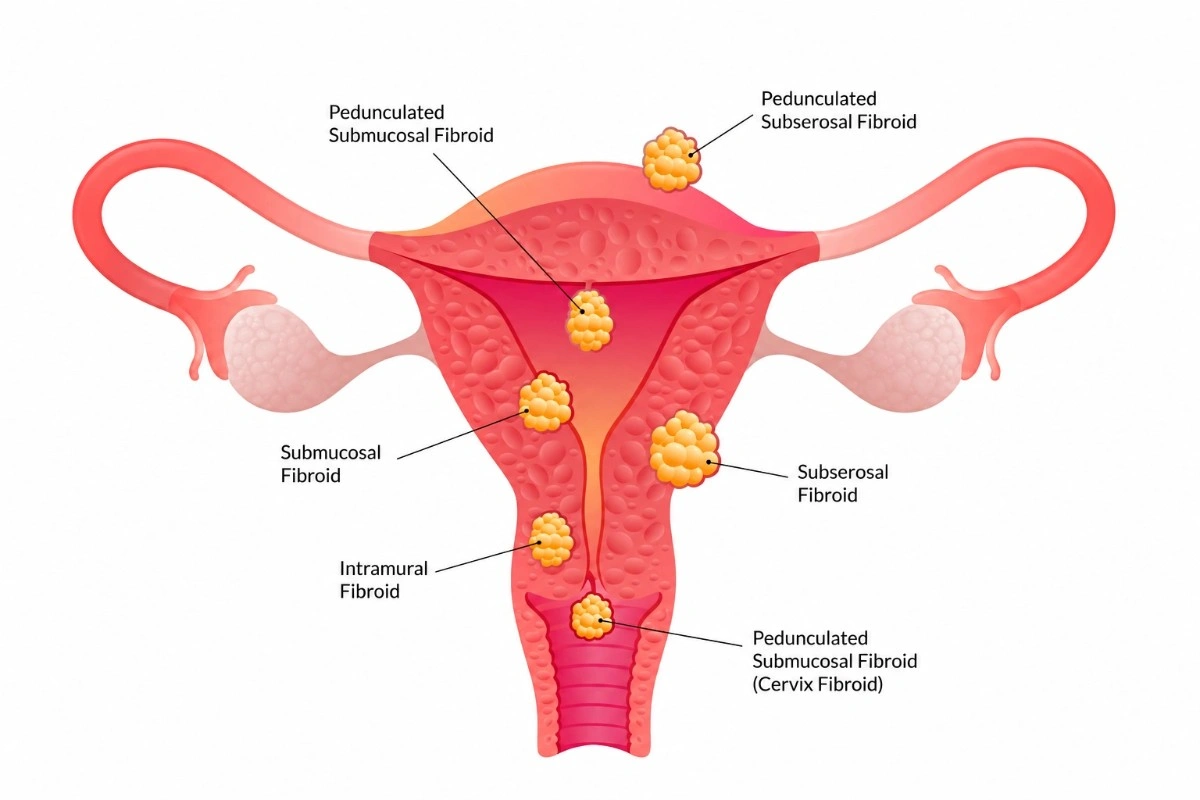
The location of a fibroid can influence symptoms. Intramural fibroids grow within the uterine muscle wall, submucosal fibroids develop near or inside the uterine cavity, and subserosal fibroids grow on the outer surface of the uterus.
Treatment depends on the size, location, symptoms, age, and reproductive goals of the patient. Options may include medication to manage bleeding, treatment to shrink fibroids, myomectomy to remove fibroids, uterine artery embolisation, or hysterectomy in selected cases.
Dr Priya Rajagopal provides careful assessment and personalised management for women with fibroids. If you have heavy bleeding, period changes, or fertility concerns, book a consultation to discuss the most suitable treatment pathway.
Uterine Polyps
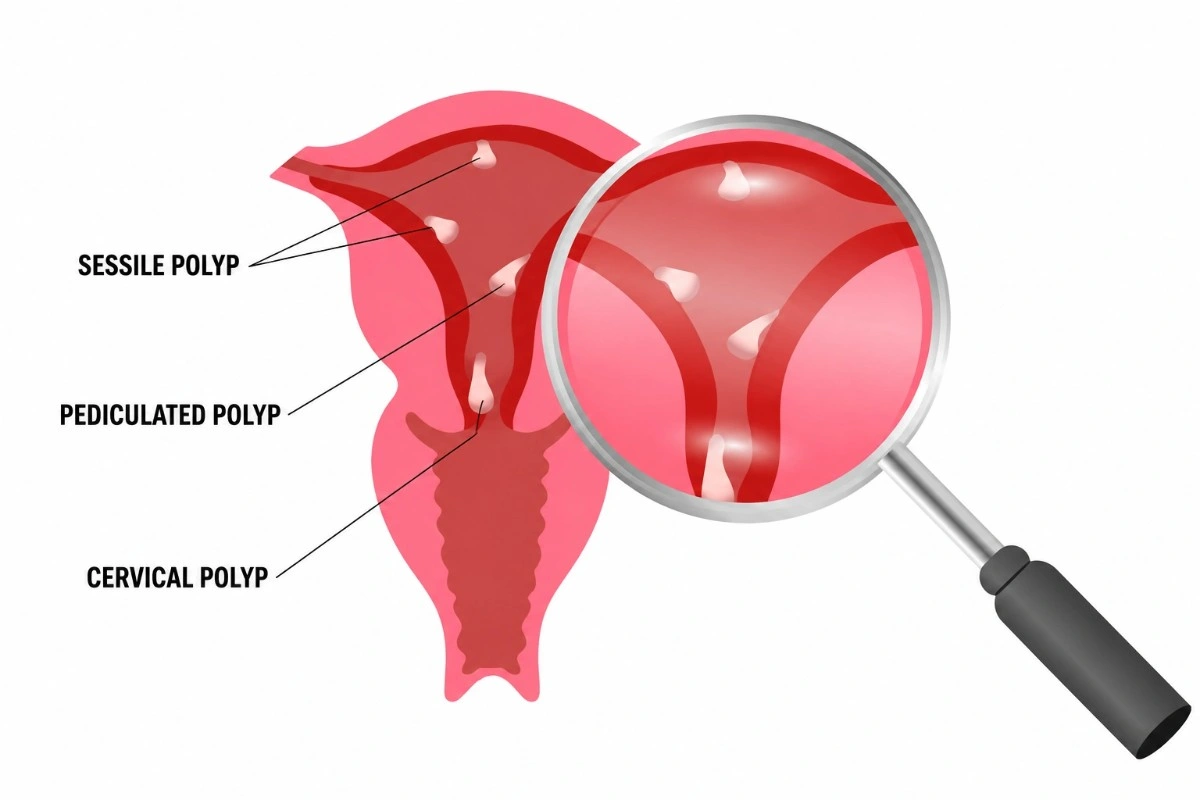
Uterine polyps are non-cancerous growths that develop on the inner lining of the uterus, known as the endometrium. They occur when endometrial cells grow more than usual, sometimes due to hormonal changes or estrogen-related factors. While many polyps are benign, they can cause uncomfortable symptoms and may need assessment by a gynaecologist.
Common symptoms of uterine polyps may include:
- Irregular menstrual bleeding
- Spotting between periods
- Heavy or prolonged periods
- Bleeding after menopause
- Difficulty conceiving in some cases
- No symptoms at all in some women
Uterine polyp treatment depends on the polyp's size, symptoms, age, fertility goals, and any risk factors. In many cases, symptomatic polyps are removed through a procedure. This allows the doctor to view the inside of the uterus and remove the polyp carefully.
The removed tissue is usually sent for laboratory testing to confirm the diagnosis and check for any abnormal or precancerous changes. This is especially important for postmenopausal women or women with ongoing abnormal bleeding.
If you have irregular bleeding, heavy periods, spotting, or bleeding after menopause, it is important to seek medical advice. Early assessment can help identify the cause and guide suitable treatment.
This information is general in nature and does not replace personalised medical advice. Please consult a qualified gynaecologist to discuss your symptoms and treatment options.
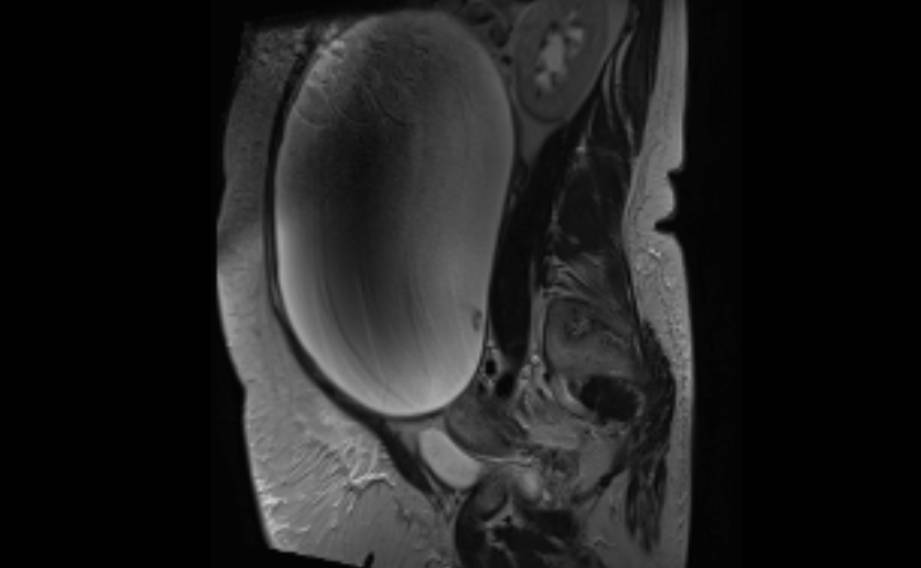
Ovarian Cysts
Fluid-filled sacs in the ovary, commonly benign. Diagnosed through ultrasound and tumour-marker testing; treated conservatively or by laparoscopy if persistent or symptomatic.
Ovarian cysts are fluid-filled sacs that develop within the ovaries. They are either functional, benign, or cancerous cysts.
Functional cysts: Follicular cysts form when the follicle does not release an egg but instead continues to swell with fluid. A corpus luteum cyst forms when the corpus luteum (a structure that forms after the ovary releases an egg) does not shrink away but continues to grow in size.
Usually, these cysts are filled with clear or light yellow fluid, but they can also contain blood. Functional cysts are common and usually resolve on their own within 2–3 months.
Benign cysts: These cysts are non-cancerous growths in the ovary. They do not disappear on their own and may either be monitored with ultrasound or require removal by laparoscopy.
The most common types are dermoid cysts, endometriomas (chocolate cysts), and cystadenomas.
Cancerous cysts: These are malignant cysts that develop in the ovary.
Symptoms: Symptoms caused by ovarian cysts are often non-specific. Some women have no symptoms, while others may experience bloating, a feeling of pressure, nausea, loss of appetite, or irregular periods.
Dr Priya will perform a physical examination and arrange blood tests for tumour markers—specific proteins that help differentiate benign cysts from ovarian cancers.
Specialist pelvic ultrasound and MRI are imaging methods that help characterise ovarian cysts more accurately.
Asherman Syndrome
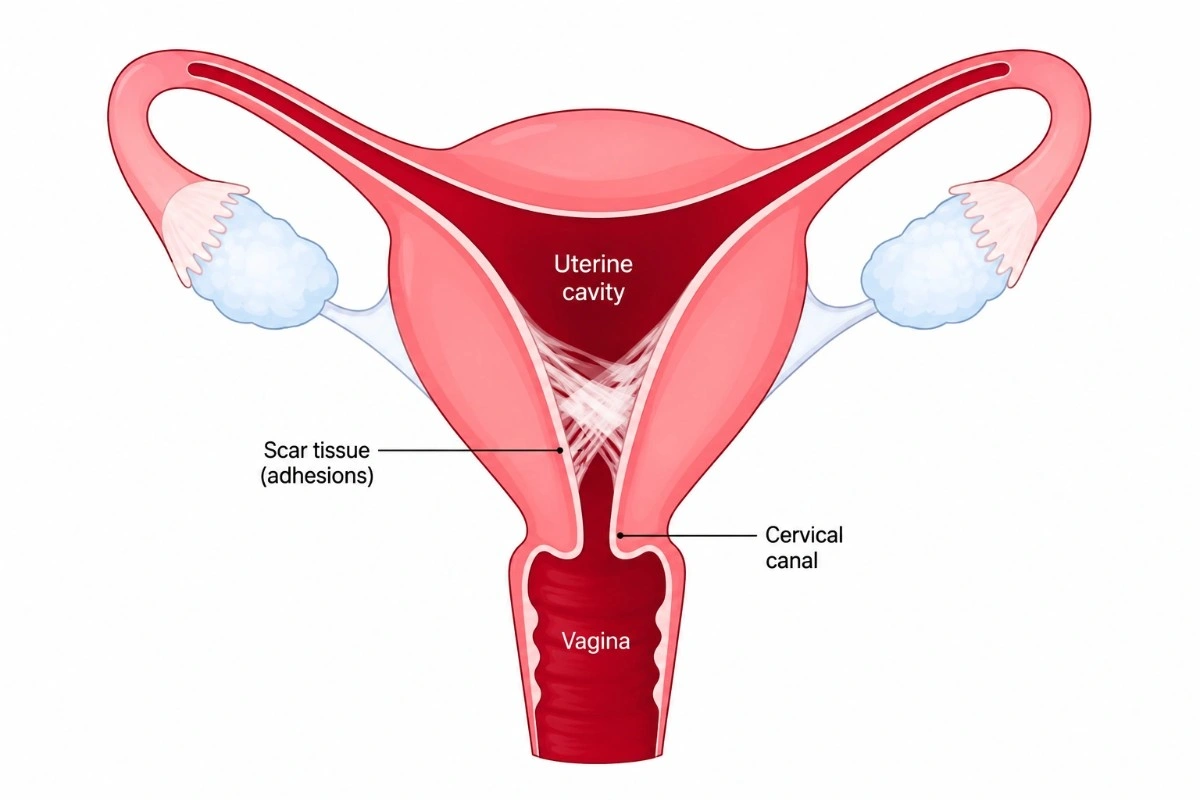
Scar tissue inside the uterus causes light or absent periods and infertility. Diagnosed and treated via hysteroscopy with follow-up hormonal therapy.
Asherman syndrome means that scar tissue is present inside the uterus (womb) or cervix. If severe, this scarring can prevent you from getting pregnant or, in rare cases, may affect the development of a baby during pregnancy.
It is more likely to occur if you have had several surgeries, such as curettage after a miscarriage or retained placenta.
The most common problem you may notice is a change to your menstrual cycle – lighter periods, or none at all.
If you are still having your period, you might experience an increase in period pain. However, scarring within the cervix is much more difficult to see with ultrasound, whatever method is used.
It is important to understand that a normal ultrasound does not rule out Asherman syndrome. Hysteroscopy is the procedure that allows a complete assessment of the uterus and is more accurate in diagnosing Asherman syndrome.
Hysteroscopy allows visualisation of scar tissue and enables instruments to cut and remove it.
Hormonal therapies: The hormone estrogen stimulates the growth of the uterine lining and is commonly prescribed following surgical treatment of scarring in Asherman syndrome.
Antibiotics: Antibiotics are commonly given at the time of surgery to help reduce the risk of infection. Treatment can improve the uterine lining and increase the chance of pregnancy, although changes involving the deeper layers of the uterus may remain to some extent.
PCOS
Affects 1 in 10 women and may cause irregular cycles, acne, and difficulty conceiving. Managed through lifestyle modification, hormonal therapy, and ovulation-induction medications.
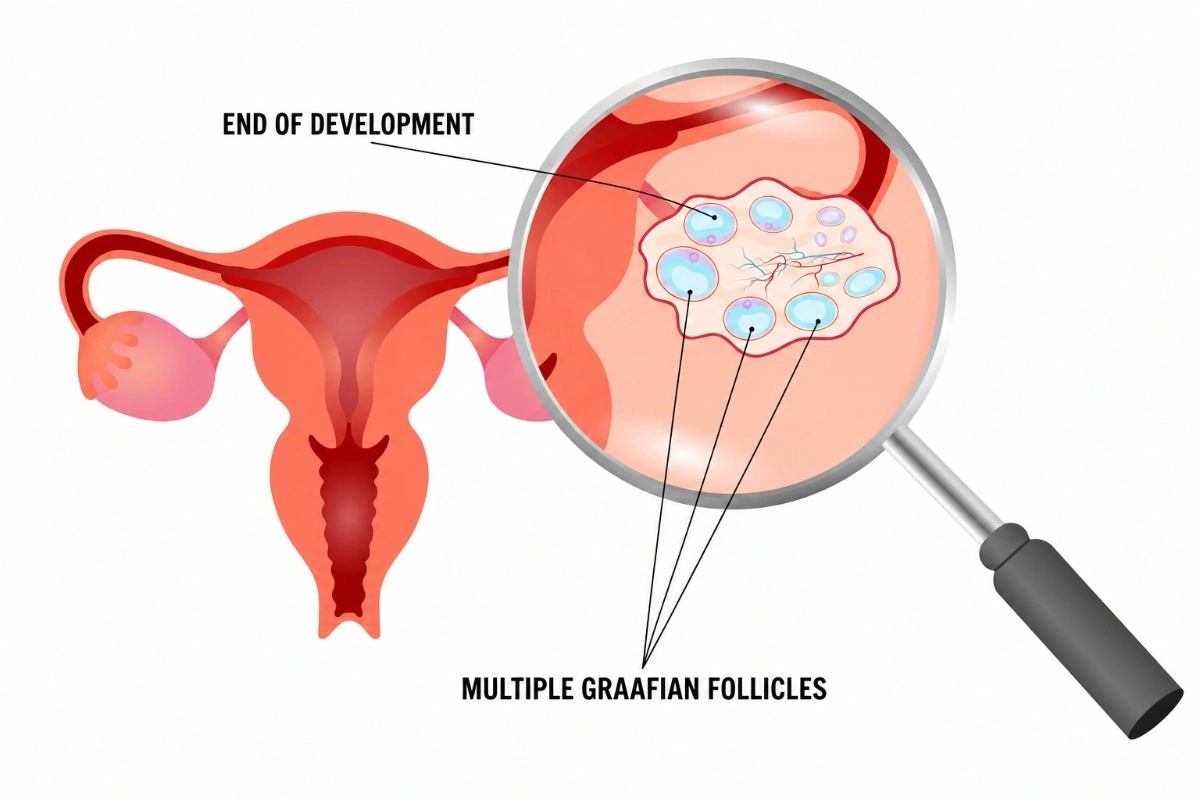
Polycystic Ovary Syndrome (PCOS) causes symptoms such as irregular periods, excessive facial and body hair, acne, and weight gain. PCOS affects approximately 1 in 10 women.
PCOS can affect ovulation (when an egg is released from an ovary). Increased androgen levels in the ovaries can prevent follicles from developing normally and stop eggs from being released. The undeveloped eggs remain in the ovaries. While it is normal to have some undeveloped eggs, having too many can make it more difficult to become pregnant.
PCOS may be diagnosed if you have two or more of the following:
- Irregular or absent periods
- Features of clinical androgen excess, such as acne and excessive hair growth, or higher-than-normal androgen levels shown on a blood test
- Polycystic ovaries visible on ultrasound (more than 20 partly developed eggs or enlarged ovaries)
PCOS in teenagers:
- PCOS can be difficult to diagnose during the first few years after periods begin, as it often takes around two years for menstrual cycles to become regular.
If periods do not become regular and remain very close together or far apart, PCOS may be the underlying cause.
Maintaining a healthy lifestyle is the first and most effective step in managing PCOS. Weight management can be challenging for women with PCOS. Hormonal medications may be prescribed to regulate menstrual cycles, reduce excessive hair growth, and treat acne. For women trying to conceive, ovulation induction medications may be recommended to help stimulate egg release.
Endometriosis
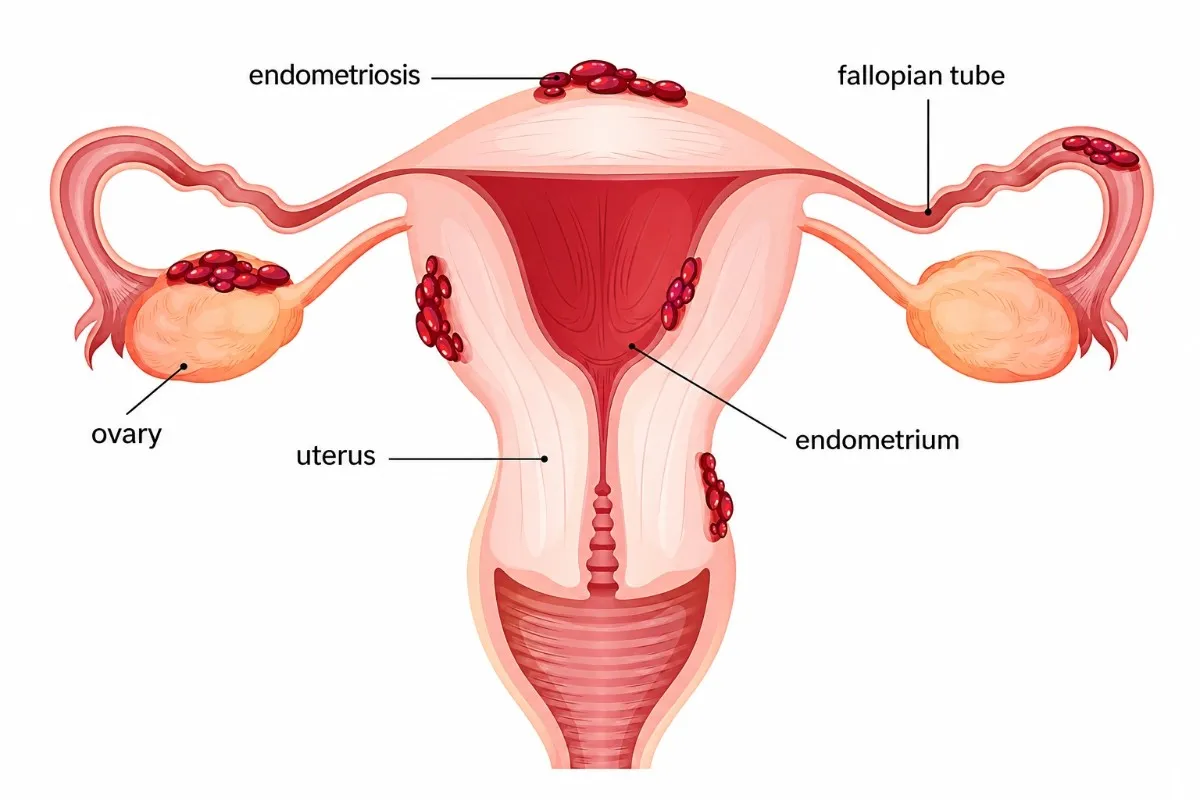
Endometrial-like tissue outside the uterus leads to pain and fertility issues. Managed with hormonal therapy or laparoscopic excision.
Endometriosis is a condition where cells similar to those that line the uterus are found in other parts of the body, mainly in the pelvis and reproductive organs.
Symptoms
Endometriosis affects everyone differently. Pain is a common symptom. The severity of symptoms is often related to the location of endometriosis rather than the extent of the disease. Symptoms may include:
- Painful periods
- Painful sex
- Abdominal, lower back, and pelvic pain
- Pain during ovulation, bladder and bowel problems
- Bloating
- Tiredness
The exact cause of endometriosis is unknown. Some factors may increase the likelihood of developing the condition. For example, people who have a close relative (such as a mother or sister) with endometriosis are 7 to 10 times more likely to develop the condition.
Endometriosis can be diagnosed in different ways:
- Laparoscopy – Keyhole surgery (via the abdomen) performed under general anaesthetic.
- Ultrasound – Doctors with specialist training can use ultrasound to make a working diagnosis of endometriosis. Depending on the findings, surgery may or may not be required.
- Magnetic Resonance Imaging (MRI) – MRI can help experienced radiologists diagnose endometriosis.
Treatment
Although there is currently no cure for endometriosis, treatment can help manage symptoms. Your treatment plan will be tailored to your diagnosis and individual needs.
Hormone therapy options include the combined oral contraceptive pill (OCP), progesterone-only pill, aromatase inhibitors, and GnRH analogues.
Surgery
Surgery aims to safely remove (excise) endometriosis lesions or destroy them using ablation. In some cases, adhesions may also be removed to help relieve symptoms.
Pelvic Pain
Chronic pelvic pain can arise from multiple causes, including endometriosis or pelvic floor dysfunction. Dr Priya provides comprehensive assessment and multidisciplinary management.
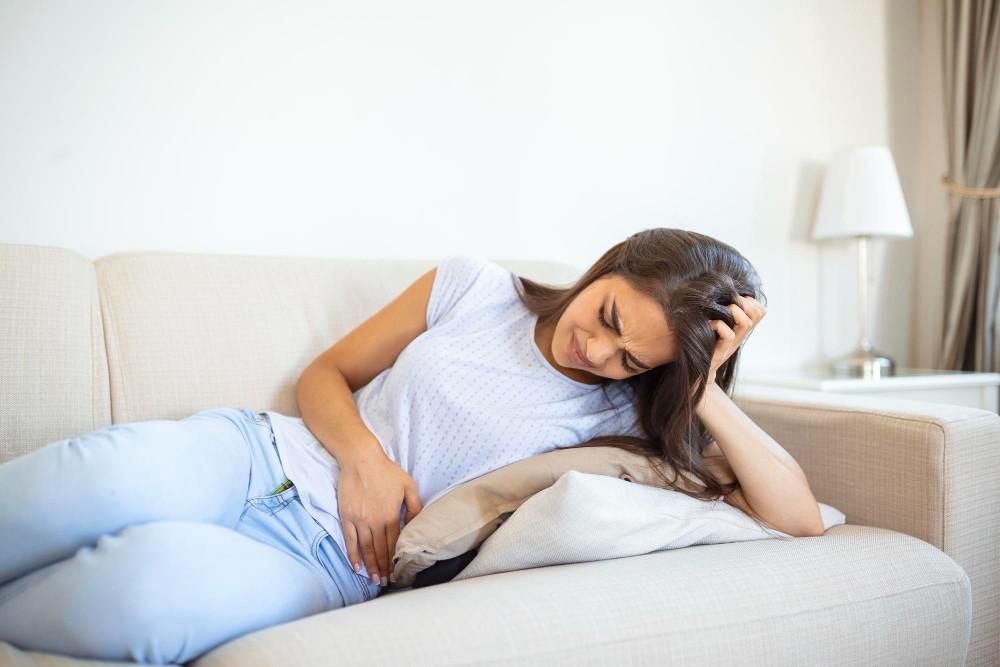
Persistent pelvic pain is pain felt in the pelvis or lower abdomen on most days that lasts for more than six months. The pain may begin as a short-term problem lasting a few days or weeks but can become persistent or chronic over time.
Persistent pelvic pain affects about one in four women and is more common in younger women.
Multiple conditions may contribute to pelvic pain, including endometriosis, adenomyosis, painful bladder syndrome, pelvic floor dysfunction, vulvodynia, stress, and previous trauma.
Dr Priya will perform a comprehensive assessment, which may include diagnostic tests such as ultrasound or laparoscopy to identify the underlying cause of your pain. Based on the diagnosis, she will discuss a range of treatment options, including medication, hormonal therapy, and minimally invasive surgery where appropriate. Management often involves a multidisciplinary approach, with the goal of improving your quality of life and helping you return to an active lifestyle.
Pap smear
Managed with colposcopy and, if required, a LLETZ procedure to remove abnormal cells and help prevent cervical cancer.
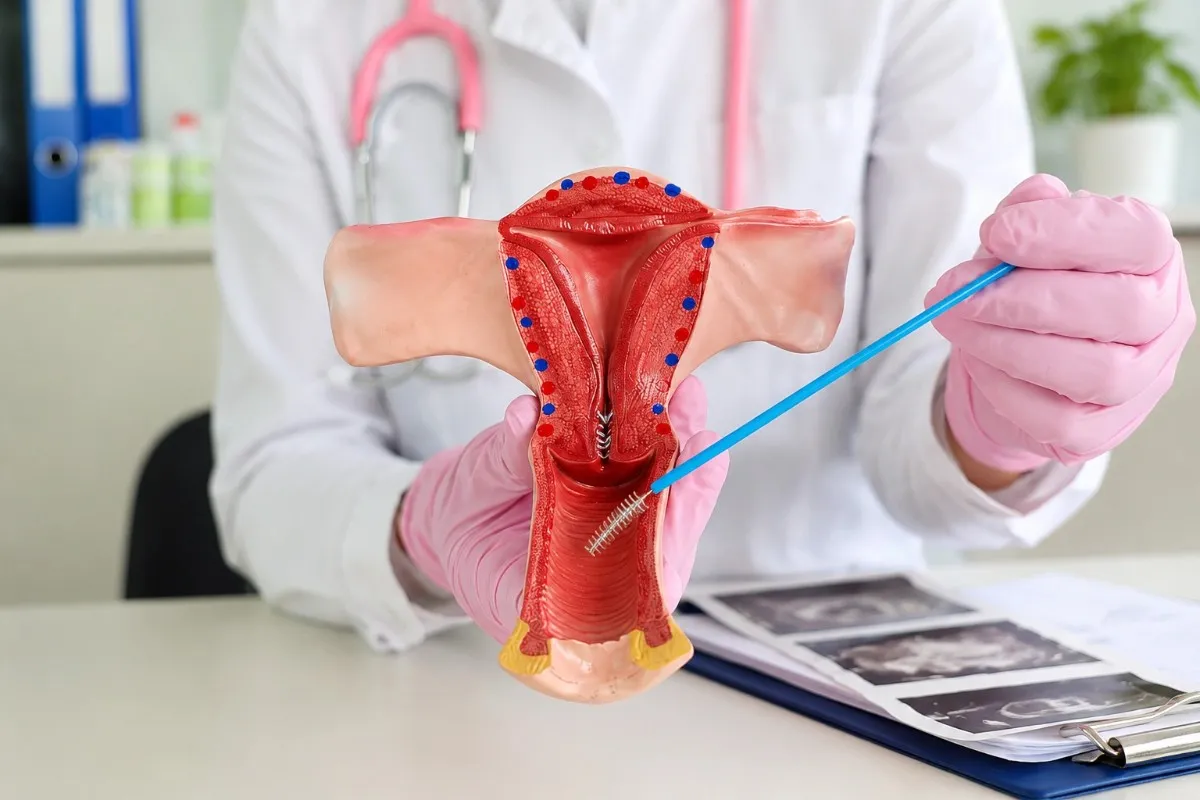
An abnormal Pap test result means that some cells of the cervix differ from normal cervical cells. In most cases, an abnormal result does not mean cervical cancer. Dr Priya will discuss your results with you and perform a colposcopy, which provides a magnified view of the cervix to assess the extent and nature of any abnormalities. A biopsy may also be taken to examine the cervical cells more closely.
Changes in cervical cells may be classified as low-grade or high-grade abnormalities. Low-grade abnormalities are minor changes that often resolve naturally over time. Most are caused by infection with the human papillomavirus (HPV), which the body usually clears within one to two years.
High-grade abnormalities are more significant changes to the cervical cells and, if left untreated, have a higher risk of progressing to cervical cancer. Dr Priya may perform a LLETZ procedure under general anaesthetic to remove the abnormal cells and reduce the risk of cervical cancer.
Prolapse
Descent of pelvic organs into the vagina, managed with pelvic floor physiotherapy, a pessary, or surgical repair.
Vaginal prolapse is the downward movement or bulging of one or more pelvic organs into or out of the vagina. The pelvic organs include the uterus, vagina, bladder, and bowel. Pelvic organ prolapse occurs when the muscles, ligaments, and fascia (supporting connective tissue) that hold these organs in place become weakened.
Symptoms may include a sensation of a vaginal lump or bulge, constipation, difficulty emptying the bladder or bowel, or discomfort during sexual intercourse.
Mild prolapse is often managed with pelvic floor physiotherapy or the use of a vaginal pessary. More severe prolapse may require surgical treatment, which can include a hysterectomy along with repair of the anterior and posterior vaginal walls.


Miscarriage
Thorough evaluation for genetic, anatomical, or hormonal causes with compassionate support throughout care.
A miscarriage occurs when a pregnancy stops developing and the pregnancy tissue is eventually passed from the body. Around one in five women experience a miscarriage, with most occurring before 12 weeks of pregnancy.
In many cases, no treatable cause is identified. Approximately half of all miscarriages occur because the embryo has abnormal chromosomes, preventing the pregnancy from developing normally from the beginning.
Certain factors can increase the risk of miscarriage. These include increasing maternal age, uncontrolled diabetes, uterine fibroids, thyroid disorders, and some other underlying medical conditions.
Serial Beta HCG blood tests, together with ultrasound, are used to diagnose miscarriage. Treatment options include expectant (conservative) management, medication to help pass the pregnancy tissue, or a Suction D&C procedure to remove the tissue from the uterus when required.
Recurrent Miscarriage
Recurrent pregnancy loss is defined as two or more consecutive pregnancy losses in an intrauterine pregnancy. While a single miscarriage is common, repeated pregnancy losses may indicate an underlying cause that requires further investigation.
Dr Priya will take a detailed medical history and arrange blood tests to investigate possible endocrine, genetic, autoimmune, and blood-clotting disorders that may contribute to recurrent miscarriage.
A 3D ultrasound may be recommended to assess the uterus for structural abnormalities. In some cases, a hysteroscopy may be performed to diagnose and remove uterine polyps or other abnormalities.
Despite comprehensive investigation, the underlying cause remains unidentified in more than half of recurrent miscarriage cases.
Menopause
Tailored lifestyle advice and Menopausal Hormone Therapy (MHT/HRT) to relieve symptoms and support long-term bone and heart health.
Menopausal symptoms often begin before periods stop completely. Hot flushes and night sweats can range from mild to severe. Other common symptoms include sleep disturbances, brain fog, palpitations, joint pain, tiredness, anxiety, mood changes, vaginal dryness, overactive bladder, and vaginal discomfort.
- Lifestyle changes: Improving your diet, exercising regularly, and stopping smoking can improve overall wellbeing and make menopausal symptoms easier to manage. Psychological therapies such as cognitive behavioural therapy (CBT) and mindfulness may also provide symptom relief.
Menopausal Hormone Therapy (MHT)
Also known as Hormone Replacement Therapy (HRT), MHT is the most effective treatment for relieving menopausal symptoms. It can also improve bone density and reduce the risk of fractures.
MHT is generally considered safe for most women in their 50s or within the first 10 years after menopause. Women who experience early menopause are usually advised to continue treatment until around the average age of natural menopause (51 years).
Women with a history of hormone-dependent cancer are generally advised not to use hormone therapy.
MHT is available in several forms, including tablets, patches, gels, and vaginal treatments. The most appropriate type of treatment and its associated risks depend on your age, whether you have had a hysterectomy, and your overall health.
Oestrogen alone is suitable for women who have had a hysterectomy. Progestogens are added for women who still have a uterus to reduce the risk of endometrial (uterine) cancer. Vaginal oestrogen therapy alone may be sufficient for women experiencing only local symptoms, such as vaginal dryness.
Dr Priya will assess your symptoms, medical history, and individual health needs to recommend the hormone therapy that is most appropriate for you.

Contraception
Guidance on all contraception options, including oral contraceptive pills, Implanon, Mirena and Kyleena IUDs, and permanent contraception.
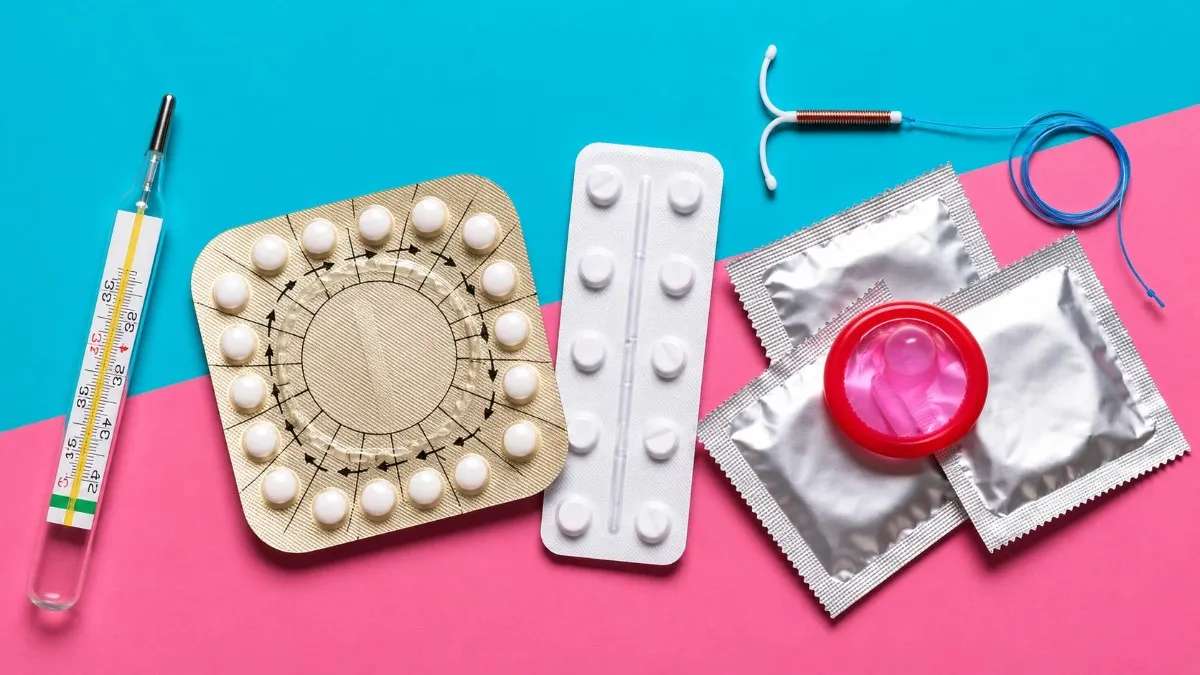
There are many different types of contraception, and choosing the most suitable option depends on your menstrual history, medical conditions, lifestyle, and personal preferences.
Common contraceptive methods include the combined oral contraceptive pill, progesterone-only pill, and the NuvaRing.
Long-acting reversible contraceptives (LARCs) include the Depo-Provera injection, Implanon NXT implant, Kyleena and Mirena intrauterine devices (IUDs), and the copper IUD. These methods provide effective contraception for approximately 5–10 years, depending on the device.
Permanent contraception for women involves either ligation (blocking) of the fallopian tubes or removal of the fallopian tubes (salpingectomy).
Dr Priya performs a range of contraceptive procedures, including the insertion and removal of all types of IUDs and the Implanon NXT implant. She also provides permanent sterilisation procedures where appropriate.
Lichen Sclerosus
Chronic vulval skin condition treated with topical corticosteroids and maintenance therapy.
Lichen sclerosus is a chronic skin condition that affects the vulva. It is more common in women over the age of 50, although it can occur at any age. Lichen sclerosus is not contagious and cannot be passed from one person to another through skin-to-skin contact.
Symptoms may include:
- Itching, burning, and soreness of the genital skin
- White, dry, or thickened skin
- Scratching may lead to thickened white skin, blood blisters, skin fragility, and skin splitting
In long-standing cases, changes to the genital skin may include:
- Covering of the clitoris by scar tissue
- Loss of the inner lips (labia minora)
- Bands of joined skin above and below the vaginal opening, which can narrow the vaginal entrance and cause painful intercourse
Lichen sclerosus can usually be diagnosed clinically based on its characteristic skin changes. In some cases, a skin biopsy may be performed to confirm the diagnosis.
The most effective treatment is a strong topical corticosteroid.
Strong steroid ointment or cream can:
- Control inflammation
- Help smooth roughened skin
- Prevent or slow the progression of scarring
However, treatment cannot reverse existing loss of normal skin architecture.
Once active lichen sclerosus is under control, your doctor will usually recommend maintenance therapy to reduce the risk of symptoms and inflammation returning.
Untreated lichen sclerosus can lead to progressive scarring. There is also a small risk of vulval cancer if the condition remains untreated for a long time. Surgery is not a substitute for ongoing topical steroid treatment.

Gynaecology Procedures
Outpatient Procedures
Colposcopy
Magnified cervical examination to assess abnormal cervical cells.
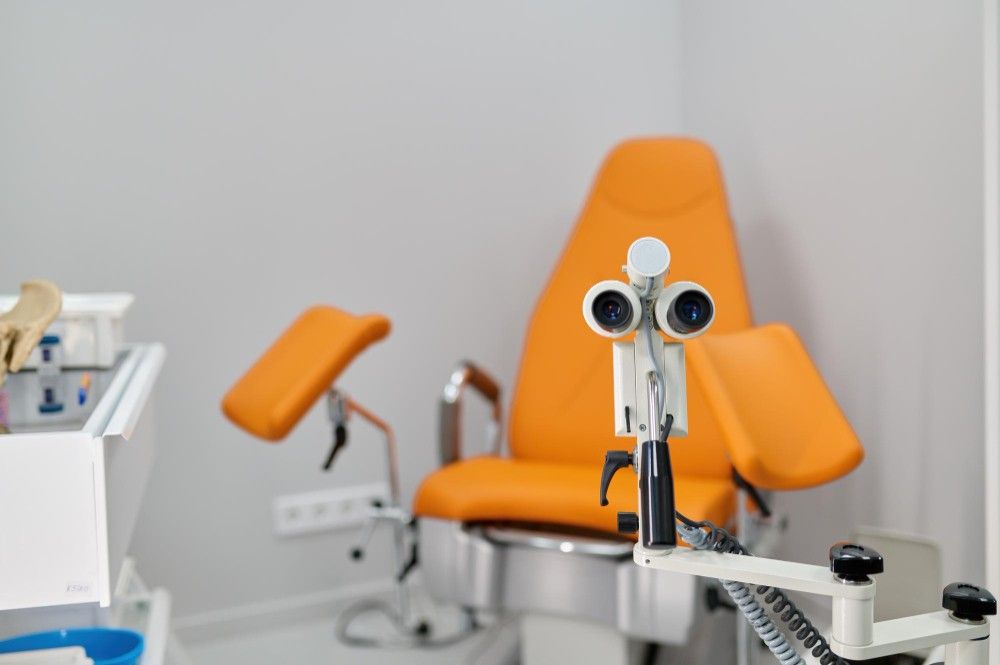
Colposcopy is a detailed examination of the cervix that allows the specialist to identify abnormal cell changes and assess their extent.
A colposcope is a specialised magnifying instrument, similar to binoculars mounted on a stand, which is used to examine the cervix closely.
During the procedure, the doctor applies a dilute acetic acid (vinegar) solution to the cervix. This helps highlight any abnormal cells. Most women do not find this painful, although it may cause a mild stinging sensation.
If any abnormal areas are identified, the doctor may take one or two small biopsies (tissue samples) from the cervix for further examination. This may cause mild discomfort or period-like cramps.
Vulval Biopsy
A vulval biopsy in Melbourne may be recommended when there are unusual vulval skin changes, persistent irritation, unexplained pain, itching, discolouration, or a visible lump or lesion. The test helps identify the cause of symptoms and supports accurate diagnosis and treatment planning.
A vulval biopsy procedure involves taking a very small sample of skin from the affected area. The area is usually numbed with a local anaesthetic before the sample is collected, helping to reduce discomfort during the procedure. The tissue is then sent to a laboratory for examination under a microscope.
A biopsy for vulval skin changes may be advised when symptoms do not improve with standard treatment or when a doctor needs to rule out conditions such as lichen sclerosus, infection, inflammatory skin disorders, precancerous changes, or vulval cancer. Not all vulval changes are serious, but early assessment can provide reassurance and guide the most appropriate care.
Patients seeking a vulval lesion biopsy in Melbourne should consult an experienced gynaecologist who can assess their symptoms, explain the procedure, and discuss what to expect before and after the biopsy. Mild soreness or spotting may occur after the procedure, and patients are usually given aftercare instructions to support healing.
This information is general in nature and should not replace personalised medical advice. Please consult a qualified healthcare professional for an individual assessment.
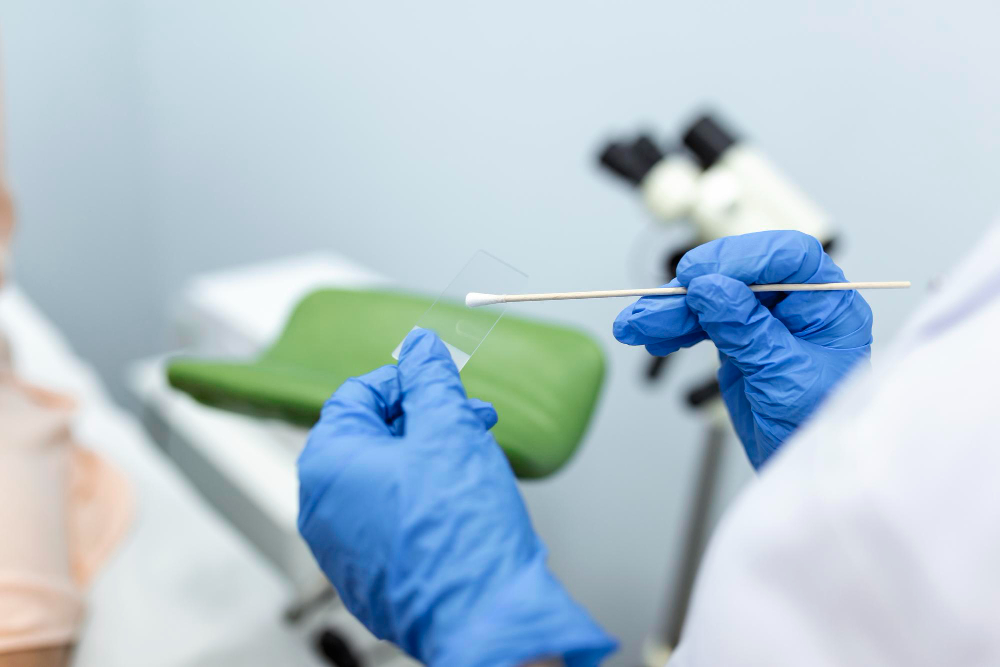

IUD Insertion
An intrauterine device (IUD) is a long-acting contraceptive option placed inside the uterus by a trained healthcare professional. For women considering IUD insertion in Melbourne, a consultation with a qualified gynaecologist can help determine whether this method is suitable based on your medical history, menstrual symptoms, future pregnancy plans, and personal preferences.
There are different types of IUDs, including hormonal and copper options. Hormonal IUD insertion may be suitable for women seeking reliable contraception and relief from heavy or painful periods. A hormonal IUD releases a small amount of hormone directly into the uterus and may reduce menstrual bleeding and cramping over time.
Mirena IUD insertion is a commonly chosen option for women looking for long-term contraception. Mirena is a hormonal IUD that may be appropriate for selected patients following a clinical assessment. Before insertion, your doctor will discuss the procedure, expected benefits, possible side effects, and aftercare instructions.
IUD insertion is usually a quick procedure, although some women may experience temporary cramping, spotting, or mild discomfort. Your gynaecologist will explain what to expect before, during, and after the procedure.
You may wish to speak with a specialist if you are looking for:
- Long-acting contraception
- A low-maintenance birth control option
- Support for heavy menstrual bleeding
- Advice about hormonal and non-hormonal IUD options
This information is general in nature and should not replace personalised medical advice. Please consult a qualified healthcare professional to discuss whether an IUD is suitable for you.
Surgical Management
Hysteroscopy D&C
Minimally invasive inspection and treatment of conditions affecting the uterus.
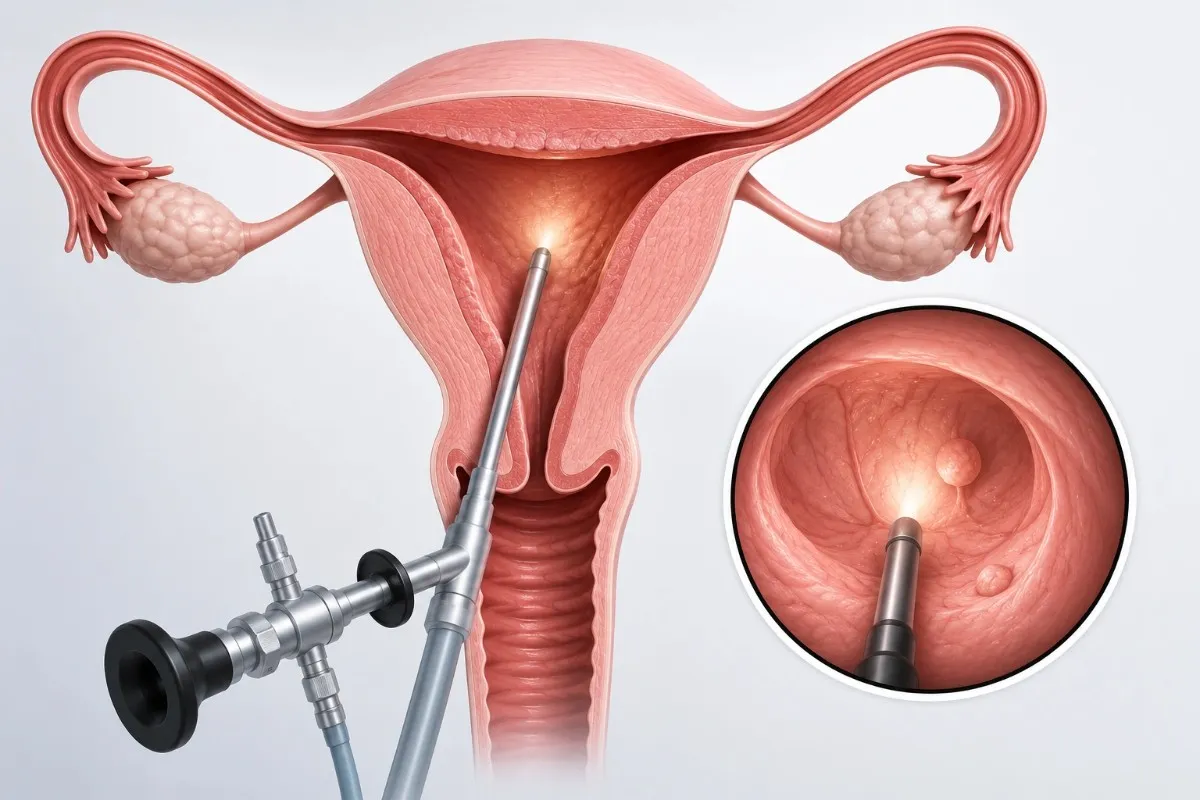
Hysteroscopy is a procedure in which a small telescope is passed through the cervix into the uterus, allowing the gynaecologist to examine the inside of the cervix and uterine cavity in detail.
Hysteroscopy is usually performed as a day procedure. It involves inserting a slim instrument with a light and camera through the cervix into the uterus to diagnose or treat a range of uterine conditions.
Dilation and curettage (D&C) is a procedure used to remove tissue from inside the uterus.
During a dilation and curettage procedure, the cervix is gently opened (dilated) using small instruments or medication. A surgical instrument called a curette, which may be a sharp instrument or a suction device, is then used to remove tissue from the lining of the uterus.
Laparoscopy
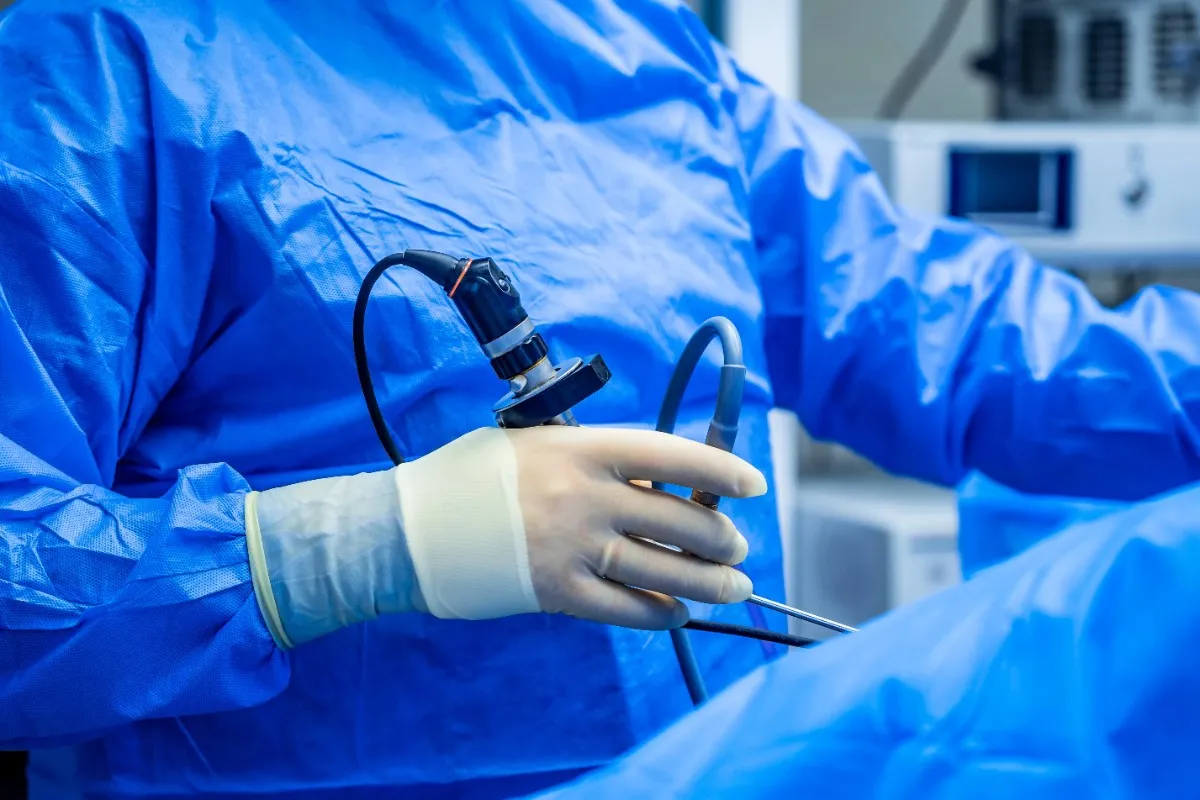
Gynaecological laparoscopy is a minimally invasive surgical procedure used to diagnose and treat a range of women’s health conditions. For patients seeking gynaecological laparoscopy in Melbourne, this procedure may help investigate pelvic pain, endometriosis, ovarian cysts, fibroids, fertility concerns, and other gynaecological problems.
During laparoscopy, a specialist makes small incisions and uses a thin camera called a laparoscope to view the pelvic organs. Compared with traditional open surgery, laparoscopy may involve smaller incisions, reduced discomfort, a shorter hospital stay, and a faster recovery for suitable patients.
Common reasons for gynaecological laparoscopy include:
- Persistent pelvic pain or suspected endometriosis
- Ovarian cysts, adhesions, or fibroids
- Fertility assessment or blocked fallopian tubes
- Investigation of abnormal pelvic findings
The benefits may include:
- Smaller incisions and less visible scarring
- Quicker return to daily activities
- Accurate diagnosis and treatment in a single procedure
- Reduced recovery time compared with open surgery
Before recommending surgery, a gynaecologist will usually review your symptoms, medical history, ultrasound findings, fertility goals, and overall health. Not every patient requires laparoscopy, so an individual assessment is important.
As with any surgical procedure, gynaecological laparoscopy carries some risks, including bleeding, infection, anaesthetic complications, or injury to surrounding organs, although these complications are uncommon. Your specialist will explain the potential risks, expected benefits, recovery process, and available alternatives before treatment.
This information is general in nature and should not replace personalised medical advice. If you have ongoing pelvic pain, suspected endometriosis, or fertility concerns, please consult a qualified gynaecologist to discuss whether laparoscopy is appropriate for your individual circumstances.
Fibroid Resection
Fibroids are non-cancerous growths that develop in or around the uterus. While some fibroids cause no symptoms, others may lead to heavy periods, pain, bloating, or fertility concerns. If you're experiencing troublesome symptoms, fibroid removal in Melbourne services can assess your condition and recommend treatment options tailored to your needs.
Fibroid treatment depends on the size, number, and location of the fibroids, as well as the patient's symptoms, age, medical history, and future pregnancy plans. A gynaecologist may recommend monitoring, medication, minimally invasive procedures, or surgery depending on your individual circumstances.
Common symptoms of fibroids may include:
- Heavy or prolonged menstrual bleeding
- Frequent urination
- Bloating or abdominal swelling
- Pain during intercourse
- Difficulty conceiving or pregnancy-related concerns
Fibroid removal may be considered when symptoms affect daily life or when fibroids interfere with reproductive health. In some cases, minimally invasive surgery may allow fibroids to be removed while preserving the uterus. However, the most appropriate treatment should always be determined after a detailed consultation and appropriate investigations, such as ultrasound or other imaging.
Choosing an experienced specialist for fibroid removal in Melbourne can help you better understand your diagnosis, compare treatment options, and make informed decisions about your care. Early assessment is recommended if your symptoms are worsening or affecting your quality of life.
This information is general in nature and should not replace personalised medical advice. Please consult a qualified gynaecologist to discuss your symptoms and the most appropriate treatment options.
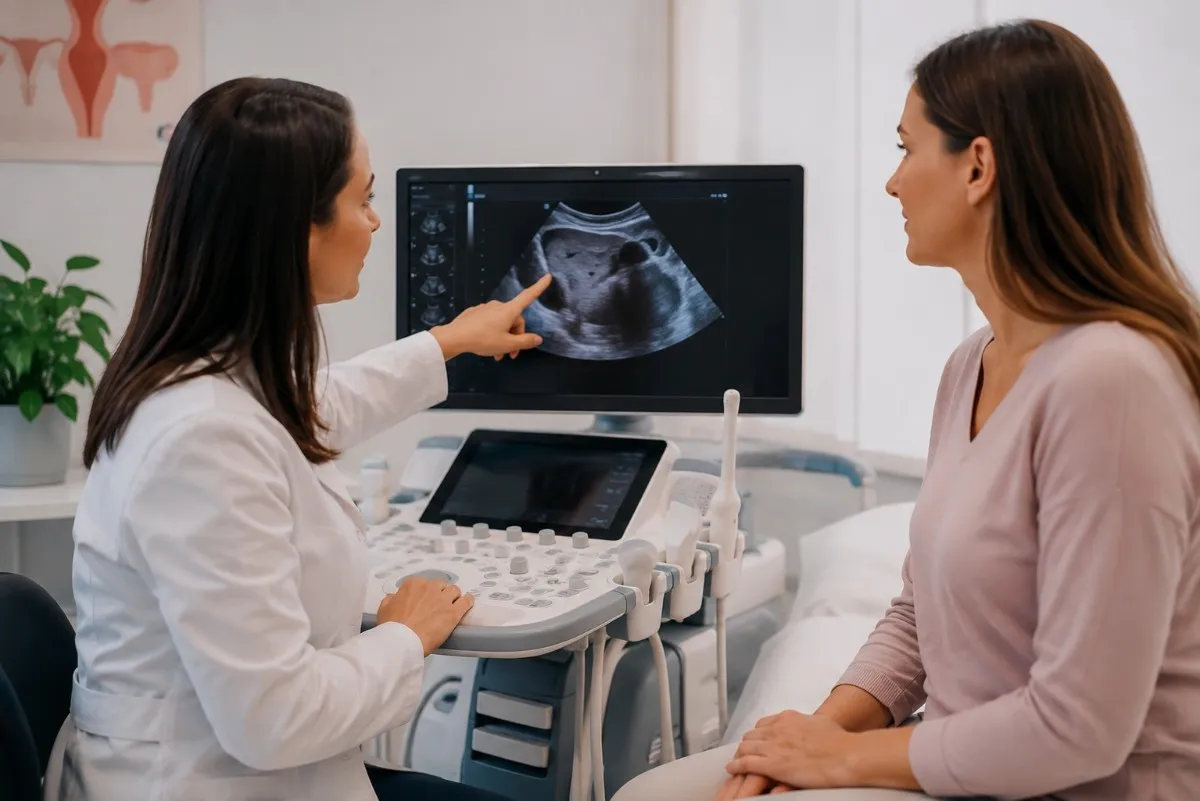
Hysterectomy
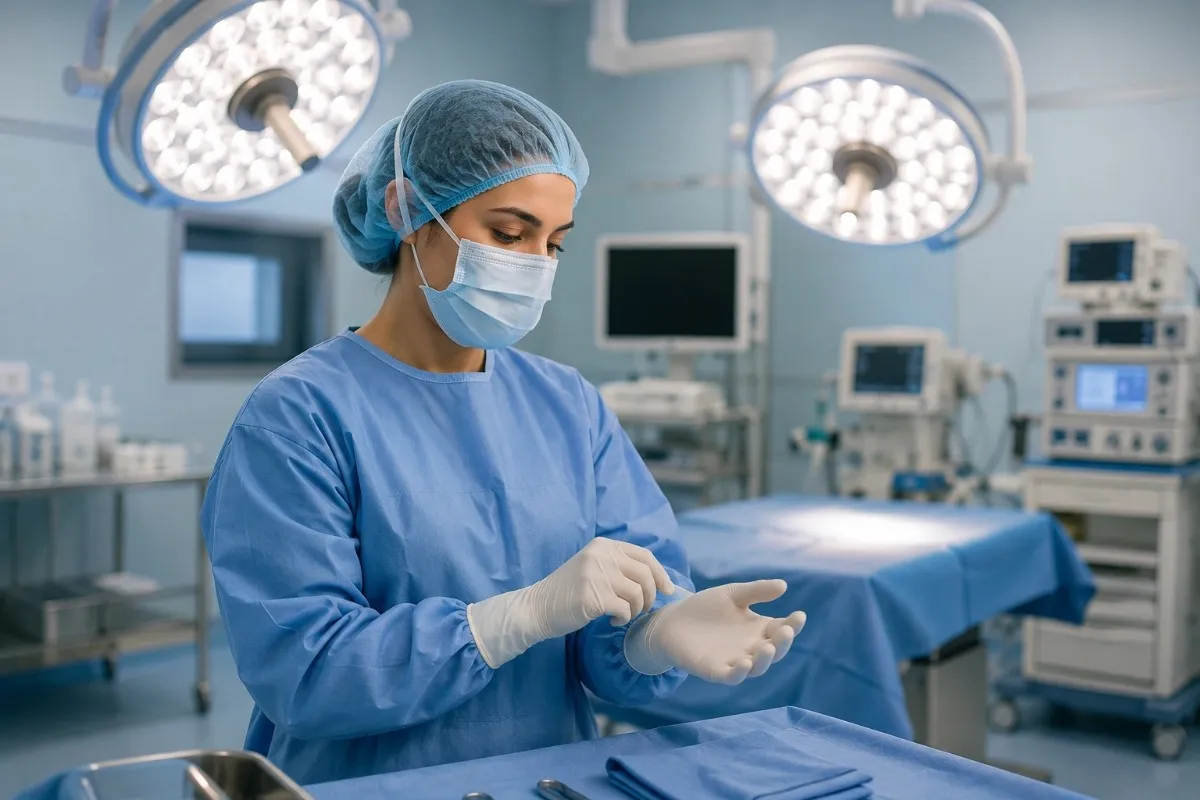
A hysterectomy is the surgical removal of the uterus and cervix.
Laparoscopic Hysterectomy
- A laparoscope is inserted into the lower abdomen through a small incision near the belly button.
- Surgical instruments are inserted through several additional small incisions in the abdomen, and the uterus is removed through the vagina.
- Most patients can go home the same day or after an overnight stay in hospital.
- Recovery is generally faster and less painful than with an abdominal hysterectomy.
LLETZ Procedure
The LLETZ procedure in Melbourne is a common treatment used to remove abnormal cells from the cervix. LLETZ stands for Large Loop Excision of the Transformation Zone. It is usually recommended when cervical screening, colposcopy, or biopsy results show abnormal cervical cell changes that require treatment.
During the procedure, a thin wire loop heated by an electrical current is used to remove the affected area of cervical tissue. The removed tissue is then sent to a laboratory for further examination. LLETZ is typically performed under local anaesthetic and is usually completed as a day procedure.
When May LLETZ Be Recommended?
A gynaecologist may recommend a LLETZ procedure if abnormal cervical cell changes are detected during assessment. It may be used to:
- Remove abnormal cervical cells before they progress
- Confirm the diagnosis through laboratory examination
- Treat changes detected after an abnormal Pap smear or HPV-related screening result
- Reduce the risk of abnormal cervical cells progressing when treatment is clinically indicated
What to Expect After LLETZ
Following a LLETZ procedure, it is common to experience mild cramping, light bleeding, or watery discharge for a short period. Patients are generally advised to avoid sexual intercourse, tampon use, swimming, and strenuous exercise for the period recommended by their doctor.
Follow-up care is important to monitor healing and review future cervical screening results. If you have been advised to consider a LLETZ procedure in Melbourne, consult a qualified gynaecologist to discuss your results, treatment options, potential risks, recovery, and follow-up care.
This information is general in nature and does not replace personalised medical advice.
Abnormal Uterine Bleeding

Heavy, prolonged, or irregular periods often stem from hormonal imbalance, thyroid disorders, fibroids, or polyps. Evaluation may include blood tests, ultrasound, or endometrial biopsy. Treatment options include hormonal therapy, Mirena IUD, or surgical management such as endometrial ablation or hysterectomy.
Adenomyosis
Heavy, prolonged, or irregular periods often stem from hormonal imbalance, thyroid disorders, fibroids, or polyps. Evaluation may include blood tests, ultrasound, or endometrial biopsy. Treatment options include hormonal therapy, Mirena IUD, or surgical management such as endometrial ablation or hysterectomy.
Fibroids
Benign growths of the uterine wall that may cause bleeding, pain, or fertility issues. Options include medication, myomectomy, uterine artery embolization, or hysterectomy depending on severity.
Uterine Polyps
Non-cancerous growths on the uterine lining that can cause irregular bleeding. Managed via hysteroscopic removal.
Ovarian Cysts
Fluid-filled sacs in the ovary, commonly benign. Further testing includes ultrasound and tumour-marker testing; to different harmless cysts from cancerous ones.
Asherman Syndrome
Scar tissue inside the uterus causing light or absent periods and infertility. Diagnosed and treated via hysteroscopy with follow-up hormonal therapy.
PCOS
Affects 1 in 10 women and may cause irregular cycles, acne, and difficulty conceiving. Managed through lifestyle modification, hormonal therapy, and ovulation-induction medications.
Endometriosis
Endometrial-like tissue outside the uterus leading to pain and fertility issues. Managed with hormonal therapy or laparoscopic excision.
Pelvic Pain
Chronic pelvic pain can arise from multiple causes including endometriosis or pelvic floor dysfunction. Dr Priya provides comprehensive assessment and multidisciplinary management.
Pap Smear Abnormalities
Managed with colposcopy and, if required, LLETZ procedure to remove abnormal cells and prevent cervical cancer.
Prolapse
Descent of pelvic organs into the vagina, managed with physiotherapy, pessary, or surgical repair.
Miscarriage & Recurrent Loss
Thorough evaluation for genetic, anatomical, or hormonal causes with compassionate support throughout care.
Menopause
Tailored lifestyle advice and Hormone Replacement Therapy (HRT) to relieve symptoms and improve bone and heart health.
Contraception
Guidance on all options including oral pills, Implanon, Mirena/Kyleena IUDs, and permanent methods.
Lichen Sclerosus
Chronic vulval skin condition treated with topical corticosteroids and maintenance therapy.
Outpatient Procedures
Surgical Procedures
Hysteroscopy & D&C
Minimally invasive uterine inspection or treatment.
Fibroid Resection
Hysteroscopic or laparoscopic fibroid removal.
LLETZ Procedure
Removes abnormal cervical tissue.
Endometrial Ablation
Treats heavy periods by removing uterine lining.
Laparoscopy
Keyhole surgery for diagnosis or treatment of pelvic conditions.
Hysterectomy
Laparoscopic or open removal of the uterus.