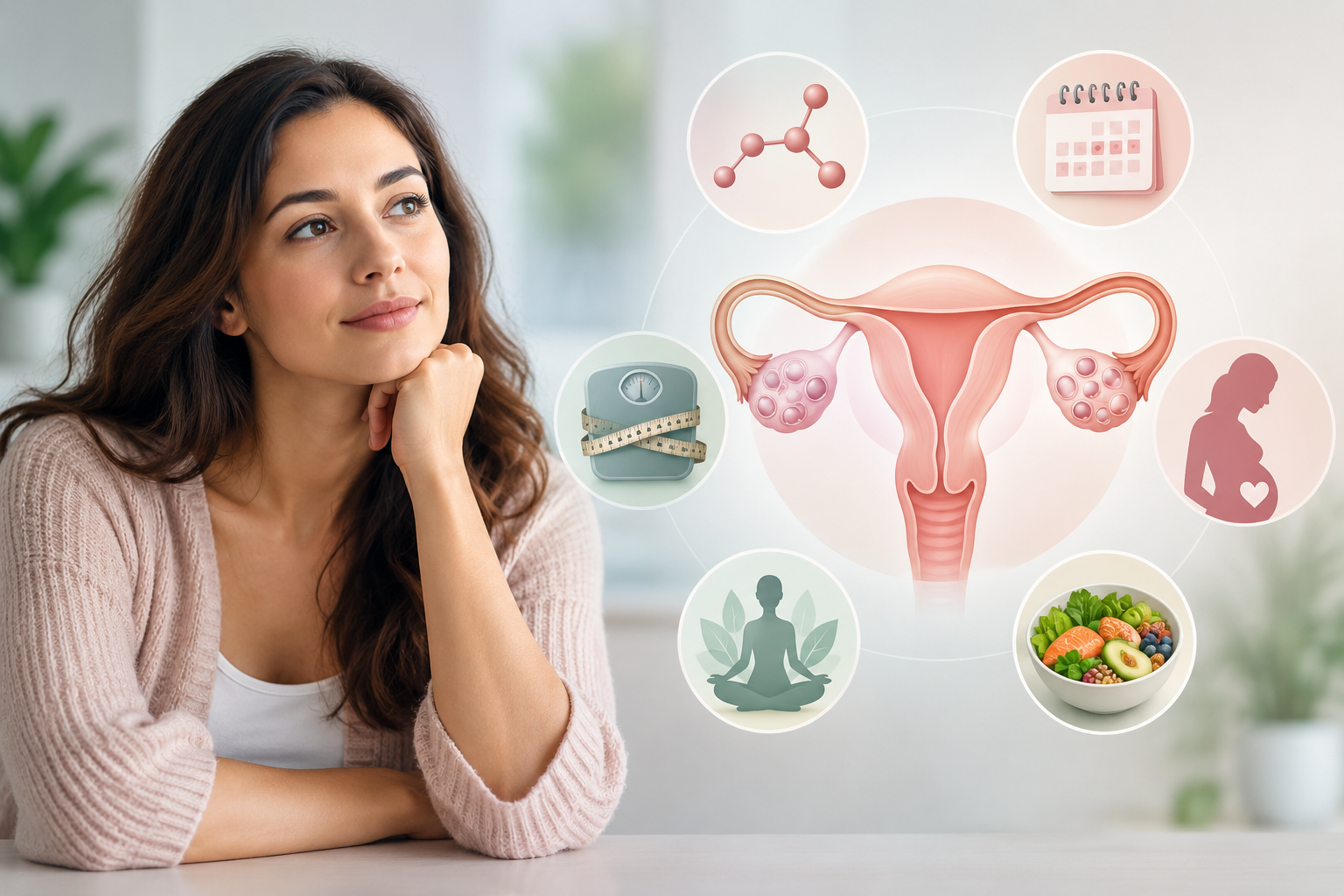

For many women today, planning a family does not always happen at the same time as career goals, financial stability, relationships, or personal readiness. This is one reason why egg freezing Melbourne services have become increasingly popular. Egg freezing gives women the opportunity to preserve healthier eggs at a younger age and potentially use them later when they are ready to start a family.
Originally developed for women facing medical treatments that could affect fertility, egg freezing is now widely chosen for both medical and personal reasons. With improvements in fertility technology, the process has become safer, more effective, and more accessible for women looking to keep future reproductive options open.
What Is Egg Freezing?
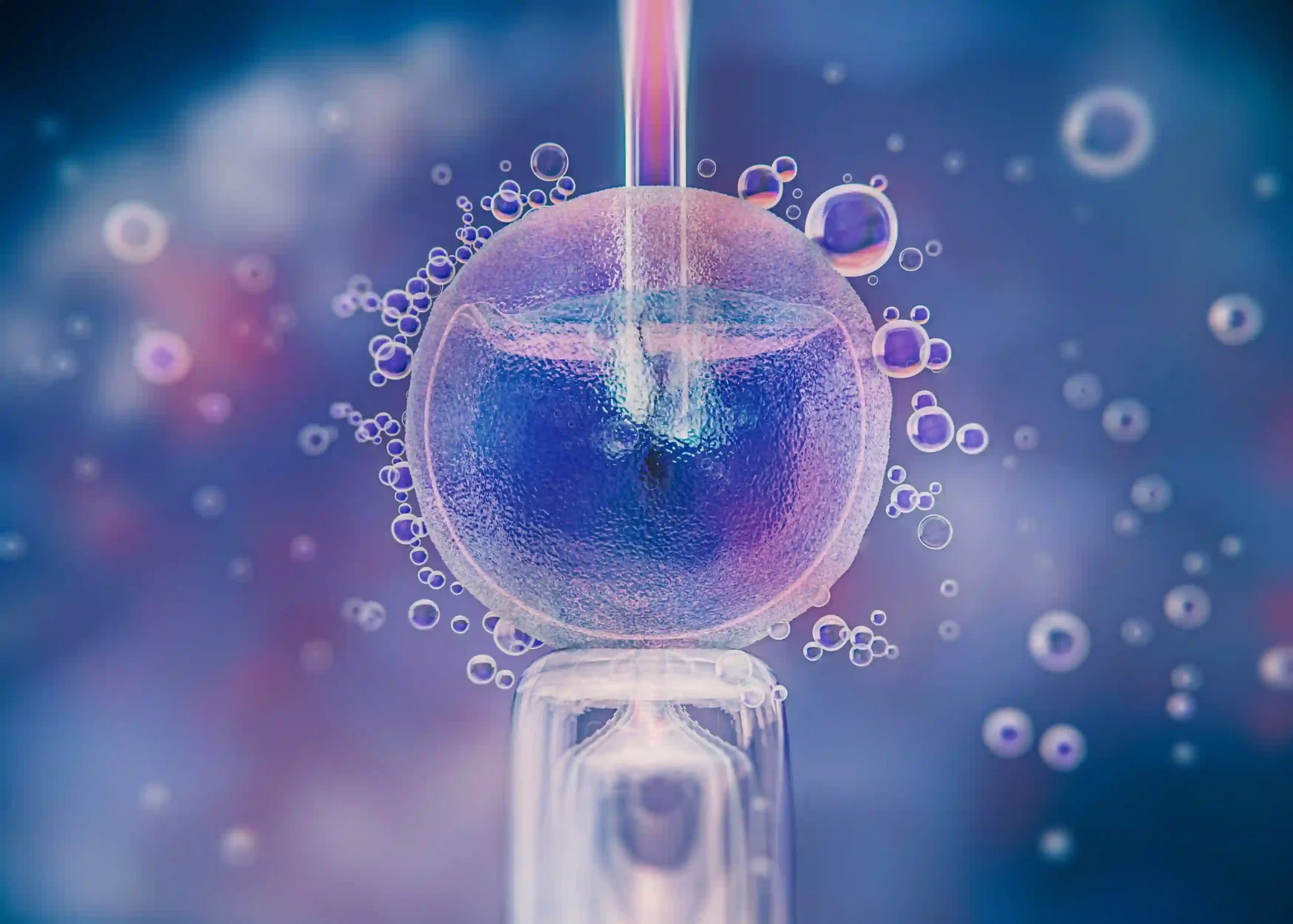
Egg freezing, also called oocyte cryopreservation, is a process where eggs are collected from the ovaries, frozen, and stored for future use. The eggs are not fertilised before freezing. Later, they can be thawed, fertilised through IVF, and transferred into the uterus as embryos.
Modern fertility clinics use a rapid freezing method called vitrification. This process helps protect the eggs during freezing and thawing, improving survival rates and future pregnancy outcomes.
One important point to understand is that eggs stop ageing once they are frozen. This means the age at which the eggs are frozen plays a major role in future success rates.
Why Women Choose Egg Freezing
Women consider egg freezing for many different reasons, and every fertility journey is personal.
Medical Reasons
Some women choose egg freezing before treatments or conditions that may affect fertility, including:
- Chemotherapy
- Radiotherapy
- Endometriosis surgery
- Autoimmune disease treatment
- Pelvic surgery involving the ovaries
For example, a 30-year-old woman diagnosed with cancer may freeze her eggs before starting chemotherapy to improve her chances of having children in the future.
Personal and Lifestyle Reasons
Others may not feel ready for parenthood yet due to:
- Career development
- Financial planning
- Higher education
- Travel or lifestyle goals
- Not having found the right partner
This is often called social egg freezing Melbourne, where women choose fertility preservation for non-medical reasons.
When Is the Best Time to Freeze Eggs?
Age plays a major role in influencing fertility and reproductive health. Female fertility naturally declines over time, especially after the mid-30s.
In general:
- Freezing eggs before 35 provides the best outcomes
- Egg quality gradually declines after 35
- Success rates reduce further after 38–40
For instance, a woman freezing eggs at age 30 is likely to have healthier eggs compared with someone freezing eggs at age 39. While pregnancy can still happen later, younger eggs often provide higher success rates.
The Egg Freezing Process Step by Step
Learning about the process can help ease concerns and make the overall experience feel less overwhelming.
1. Initial Fertility Consultation
The first step involves meeting with a fertility specialist for an assessment. This may include:
- Hormone blood tests
- AMH testing
- Pelvic ultrasound
- Medical history review
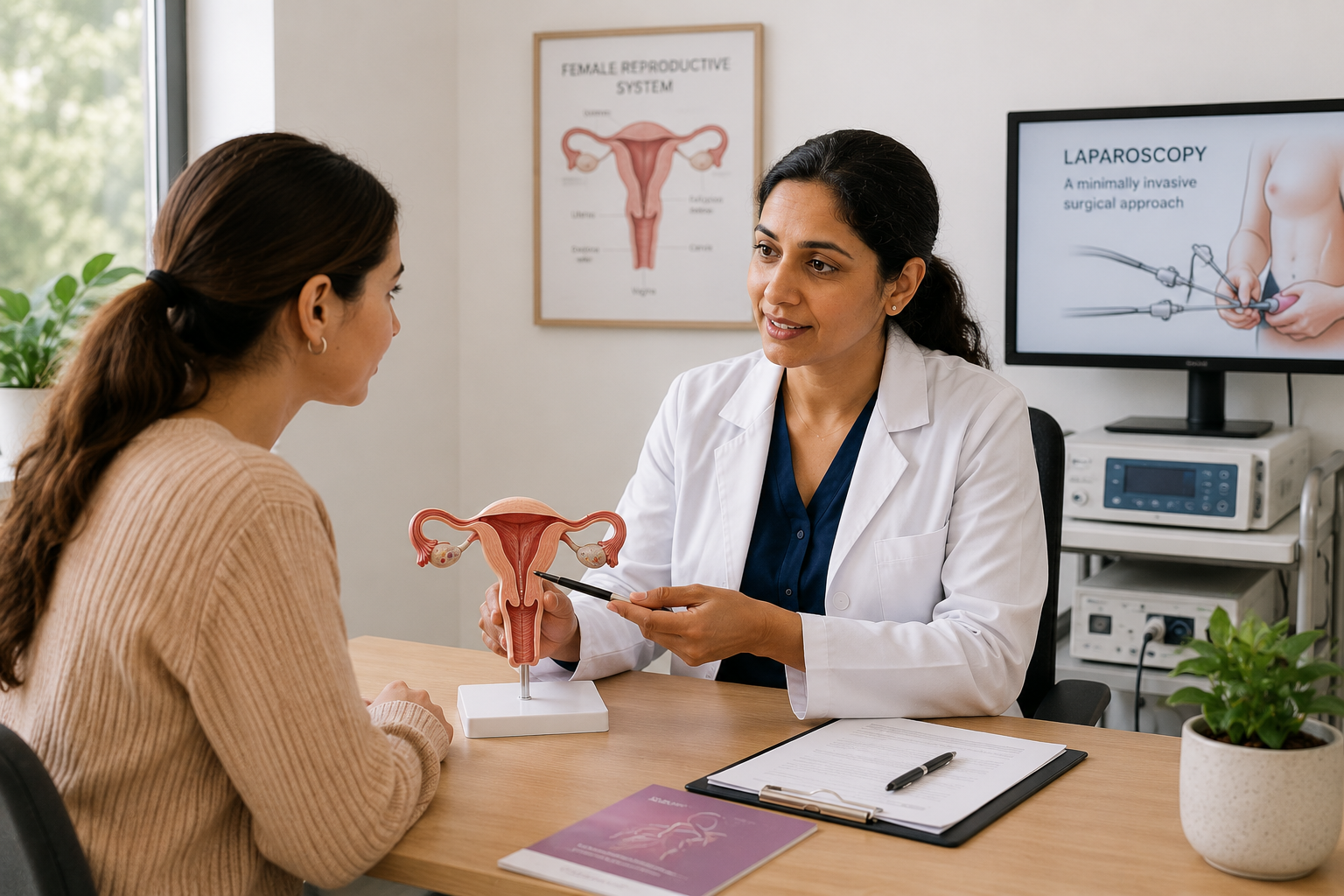
These tests help estimate ovarian reserve and determine how the ovaries may respond to treatment. Clinics offering fertility preservation Melbourne services usually create a personalised treatment plan based on these results.
2. Ovarian Stimulation
Hormone injections are used for around 10–12 days to stimulate the ovaries and mature multiple eggs instead of the single egg normally released each month.
During this stage, women are monitored through:
- Ultrasound scans
- Blood tests
- Hormone assessments
Most women continue working and following normal daily routines during treatment, although mild bloating or fatigue can occur.
Speaking with an experienced fertility specialist can help you better understand your ovarian reserve, treatment timeline, and whether egg freezing is the right step for you. Learning more early may provide greater flexibility later.
3. Egg Collection Procedure
Once the collected eggs are matured, giving a trigger injection, before the collection procedure.
Egg retrieval is usually performed under light sedation and takes around 20–30 minutes. A fine needle guided by ultrasound collects the eggs from the ovaries. Most women return home the same day and recover within 24 hours.
4. Freezing and Storage
The collected eggs are carefully examined, and mature eggs are frozen using vitrification. They are then stored in secure laboratory conditions for future use.
How Many Eggs Should Be Frozen?
There is no single answer because every woman’s fertility situation is different. Factors that influence the recommended number include:
- Age
- Egg quality
- Ovarian reserve
- Desired future family size
Younger women may need fewer eggs to achieve a future pregnancy compared with women freezing eggs later in life. Some women may also require more than one cycle to collect enough eggs.
Is Egg Freezing Guaranteed to Work?
A common long-tail search term people ask is: “How successful is egg freezing for women over 35 in Melbourne?”
The reality is that egg freezing improves future reproductive options, but it does not guarantee pregnancy. Success depends on several factors, including:
- Age at freezing
- Number of eggs collected
- Egg quality
- Sperm quality
- Embryo development
- Overall uterine health
This is why realistic guidance from fertility specialists is important before starting treatment.
Risks and Side Effects
Egg freezing is generally considered safe, but temporary side effects can occur, including:
- Bloating
- Mild abdominal discomfort
- Bruising from injections
- Mood changes
- Pelvic pain
A rare complication called Ovarian Hyperstimulation Syndrome (OHSS) may occur when the ovaries respond too strongly to medication. Careful monitoring helps minimise this risk.
Emotional and Personal Considerations
Egg freezing can be emotional as well as physical. Some women feel more confident after preserving their fertility, while others may still have mixed emotions about future family planning decisions.
Having support from:
- Fertility nurses
- Specialists
- Counsellors
- Partners or family
The decision is deeply personal, and understanding your fertility health early can help you make informed choices about the future. Speaking with Dr Priya, a qualified fertility specialist, is often the best first step toward understanding your options.
Frequently Asked Questions
What is the best age for egg freezing Melbourne clinics to recommend treatment?
Most fertility specialists recommend freezing eggs before age 35 because egg quality and quantity are usually higher at younger ages
How long can frozen eggs be stored in Australia?
Frozen eggs can often be stored safely for many years, depending on clinic policies and local regulations.
Can I still get pregnant naturally after freezing my eggs?
Yes. Egg freezing does not affect your ability to conceive naturally later. Many women still attempt a natural pregnancy before using frozen eggs.