
Uterine polyps are a common gynaecological condition that can affect women during different stages of life, especially during the reproductive and perimenopausal years. Although most uterine polyps are non-cancerous, they can cause symptoms such as irregular bleeding, pelvic discomfort, fertility challenges, and recurrent miscarriages.
Many women only discover they have polyps during investigations for irregular periods or infertility concerns. Seeking early medical care and guidance for uterine polyp treatment can help prevent complications and support long-term reproductive health.
What Are Uterine Polyps?
Uterine polyps, also known as endometrial polyps, are soft growths that develop from the inner lining of the uterus. These growths occur when endometrial tissue grows excessively, creating small or large projections inside the uterine cavity.
Polyps may range from a few millimetres to several centimetres in size. Some women develop only one polyp, while others may have multiple growths. Most polyps are benign, but in some cases, abnormal or precancerous changes may occur, particularly after menopause.
For example, a woman in her mid-40s may notice heavier menstrual bleeding and spotting between periods. After a pelvic ultrasound, a uterine polyp may be identified as the cause of her symptoms.
Causes and Risk Factors
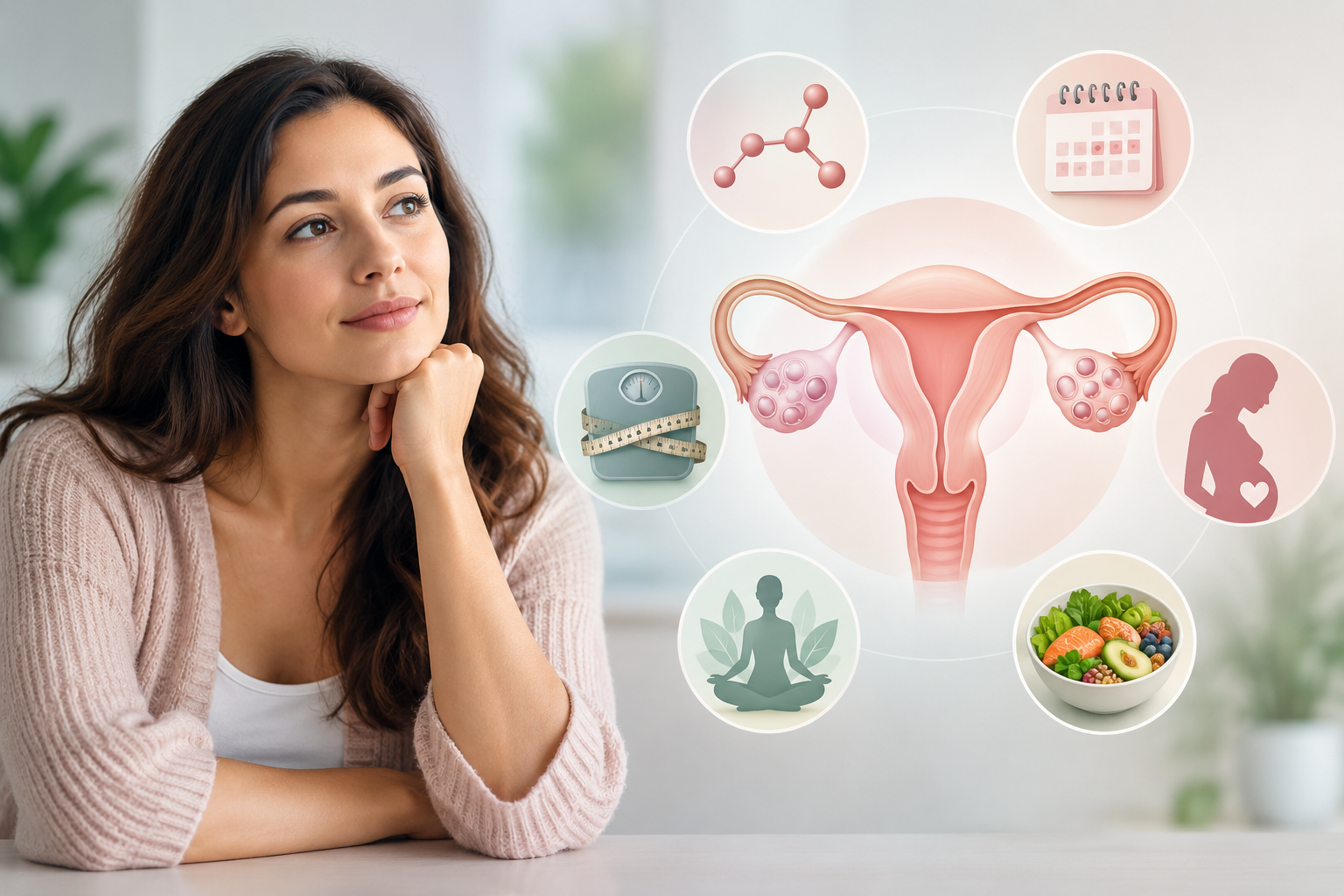
The exact reason uterine polyps develop is still not completely known. However, hormonal factors, particularly increased oestrogen stimulation, are believed to play an important role.
Several factors may increase the risk of developing uterine polyps:
- Perimenopause and menopause
- Obesity
- High blood pressure
- Hormonal imbalance
- Polycystic Ovary Syndrome (PCOS)
- Tamoxifen use for breast cancer treatment
- Family history of uterine conditions
- Increasing age
Women between 40 and 50 years are more commonly affected, although polyps can occur at any age.
Symptoms of Uterine Polyps
Some women experience no symptoms at all, and polyps are sometimes discovered during routine scans or fertility assessments. When symptoms do occur, they may vary depending on the size and location of the growth.
Abnormal Bleeding
The most common symptom is irregular uterine bleeding, including:
- Heavy periods
- Bleeding between periods
- Irregular menstrual cycles
- Prolonged bleeding
- Spotting after menopause
Fertility Problems
Uterine polyps can interfere with fertility and implantation. Some women may experience:
- Difficulty conceiving
- Failed IVF cycles
- Recurrent miscarriages
Pelvic Discomfort
Larger polyps can occasionally lead to:
- Pelvic pressure
- Mild cramping
- Lower abdominal discomfort
Bleeding after menopause should always be assessed by a gynaecologist to rule out more serious conditions.
Can Uterine Polyps Affect Fertility?
Yes. Uterine polyps can affect fertility by disrupting the normal environment inside the uterus. They may interfere with embryo implantation, increase inflammation, or block parts of the reproductive tract.
Women trying to conceive naturally or through fertility treatments such as IVF may benefit from uterine polyps treatment if polyps are affecting implantation or pregnancy outcomes.
For instance, some women with repeated failed IVF cycles later discover that a small uterine polyp was preventing successful embryo implantation. After treatment, fertility outcomes often improve.
Learn More About Your Uterine Polyp Treatment Options
If you are experiencing abnormal bleeding, fertility issues, or pelvic discomfort, consulting a women’s health specialist can help identify whether additional evaluation or treatment is necessary.
How Are Uterine Polyps Diagnosed?
A detailed assessment is important for accurate diagnosis.
Transvaginal Ultrasound
This is usually the first investigation performed. It helps identify abnormalities or thickening within the uterine lining.
Saline Infusion Sonography
This specialised ultrasound involves introducing sterile saline into the uterus to provide clearer visualisation of the uterine cavity and identify smaller polyps more accurately.
Hysteroscopy for Uterine Polyps
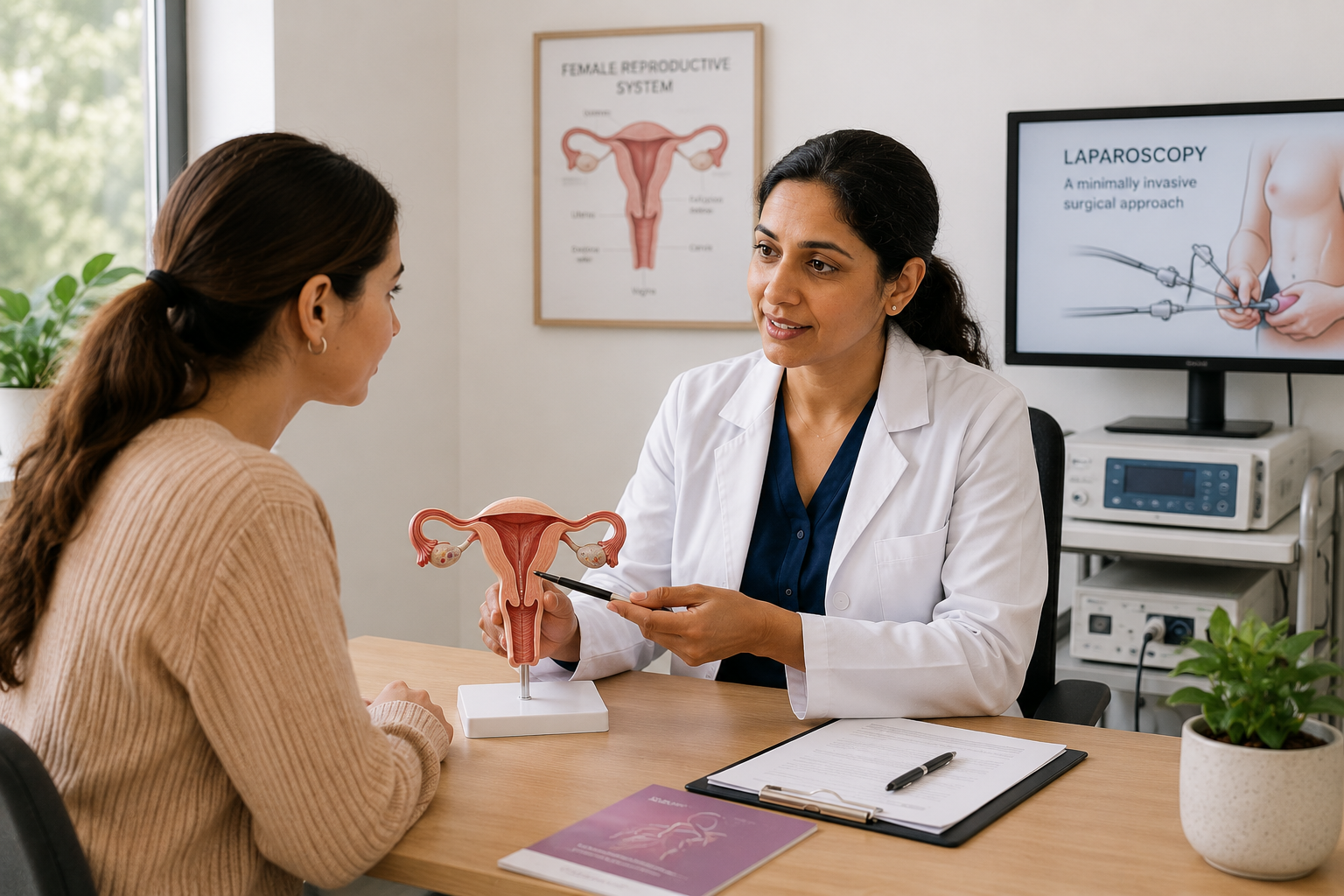
Hysteroscopy for uterine polyps is considered the gold standard for diagnosis and treatment. A thin, flexible camera is guided through the cervix to view the inside of the uterus clearly. This procedure allows specialists to:
- Confirm the presence of polyps
- Assess their size and location
- Remove the growth during the same procedure
- Examine the uterine cavity in detail
Endometrial Biopsy
In selected cases, a sample of the uterine lining may be taken to check for abnormal or precancerous cells.
Treatment Options
Treatment depends on symptoms, age, fertility goals, and the size or appearance of the polyp.
Observation
Small polyps without symptoms may sometimes disappear naturally and can be monitored with regular follow-up appointments.
Medications
Hormonal medications may temporarily reduce bleeding symptoms, although they do not permanently remove the growth.
Uterine Polyp Removal Melbourne: Minimally Invasive Treatment
The most effective treatment for symptomatic polyps is hysteroscopic removal.
During this minimally invasive procedure:
- A small camera is inserted into the uterus
- The polyp is identified directly
- Special instruments are used to remove it safely
- The tissue is sent for laboratory testing
Most women undergoing uterine polyp removal Melbourne can return home the same day and resume normal activities within a few days.
Many patients report improvements in:
- Menstrual bleeding
- Pelvic discomfort
- Fertility outcomes
- Overall quality of life
Are Uterine Polyps Cancerous?
Most uterine polyps are benign. However, a small percentage may contain abnormal or cancerous cells. The risk is slightly higher in postmenopausal women and women with persistent abnormal bleeding.
For this reason, removed polyps are routinely analysed in a laboratory to ensure there are no concerning changes.
Prompt evaluation is particularly important for women experiencing bleeding after menopause.
When Should You See a Gynaecologist?
You should seek medical attention if you experience:
- Heavy or irregular periods
- Bleeding between menstrual cycles
- Bleeding after menopause
- Difficulty conceiving
- Recurrent miscarriages
- Persistent pelvic pain or pressure
Early diagnosis and treatment can help prevent symptoms from worsening and improve long-term reproductive health.
Conclusion
Uterine polyps are a common but treatable condition that can affect menstrual health, fertility, and overall well-being. Although many polyps are harmless, symptoms such as abnormal bleeding or fertility concerns should never be ignored.
Modern diagnostic techniques and minimally invasive procedures, including hysteroscopy, allow effective treatment with excellent outcomes for most women. Early assessment and personalised care can help improve reproductive health and reduce future complications.
If you are experiencing symptoms linked to uterine polyps, seeking professional women’s health advice is an important step toward informed treatment and long-term well-being.
Frequently Asked Questions
Can small uterine polyps cause infertility problems?
Yes, small uterine polyps can sometimes affect fertility by interfering with embryo implantation.
Is hysteroscopy for uterine polyps painful?
Most women experience only mild cramping or discomfort during or after the procedure. Recovery is generally quick because it is minimally invasive.
Can uterine polyps return after treatment?
Yes, recurrence is possible in some women. Regular follow-up care helps monitor symptoms and detect any recurrence early.
What symptoms suggest I may need uterine polyps treatment Melbourne?
Common symptoms include heavy periods, irregular bleeding, spotting after menopause, pelvic discomfort, fertility difficulties, and recurrent miscarriages.