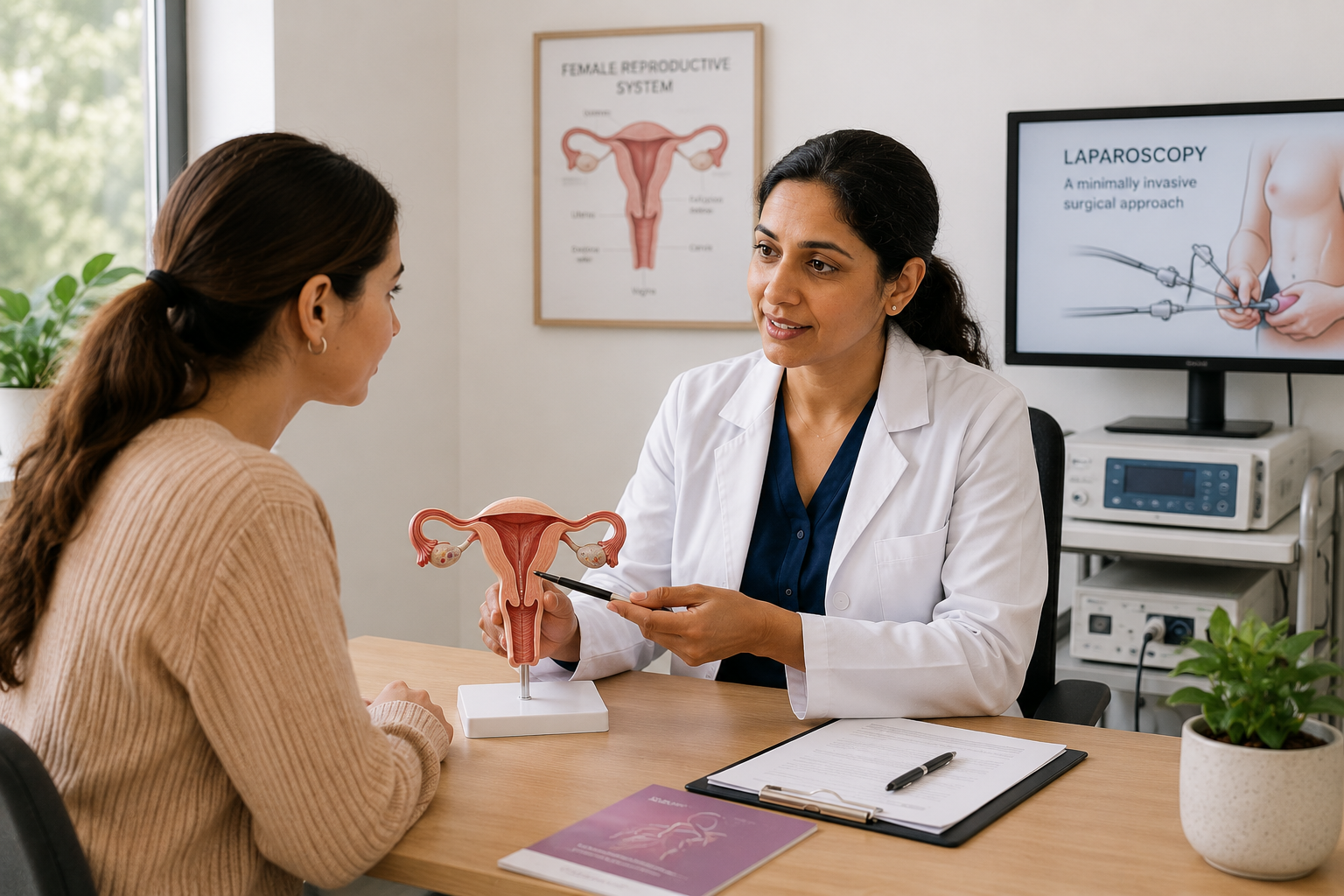

Ovarian cysts are quite common, and many women will have one at some point in their lives. In many cases, ovarian cysts are not serious and may resolve naturally without treatment.. However, some cysts can cause discomfort, irregular bleeding, bloating, or pelvic pain. If symptoms continue or a cyst has been found during a scan, speaking with an ovarian cyst specialist Melbourne can help you understand what it means and what steps may be needed.
What Is an Ovarian Cyst?
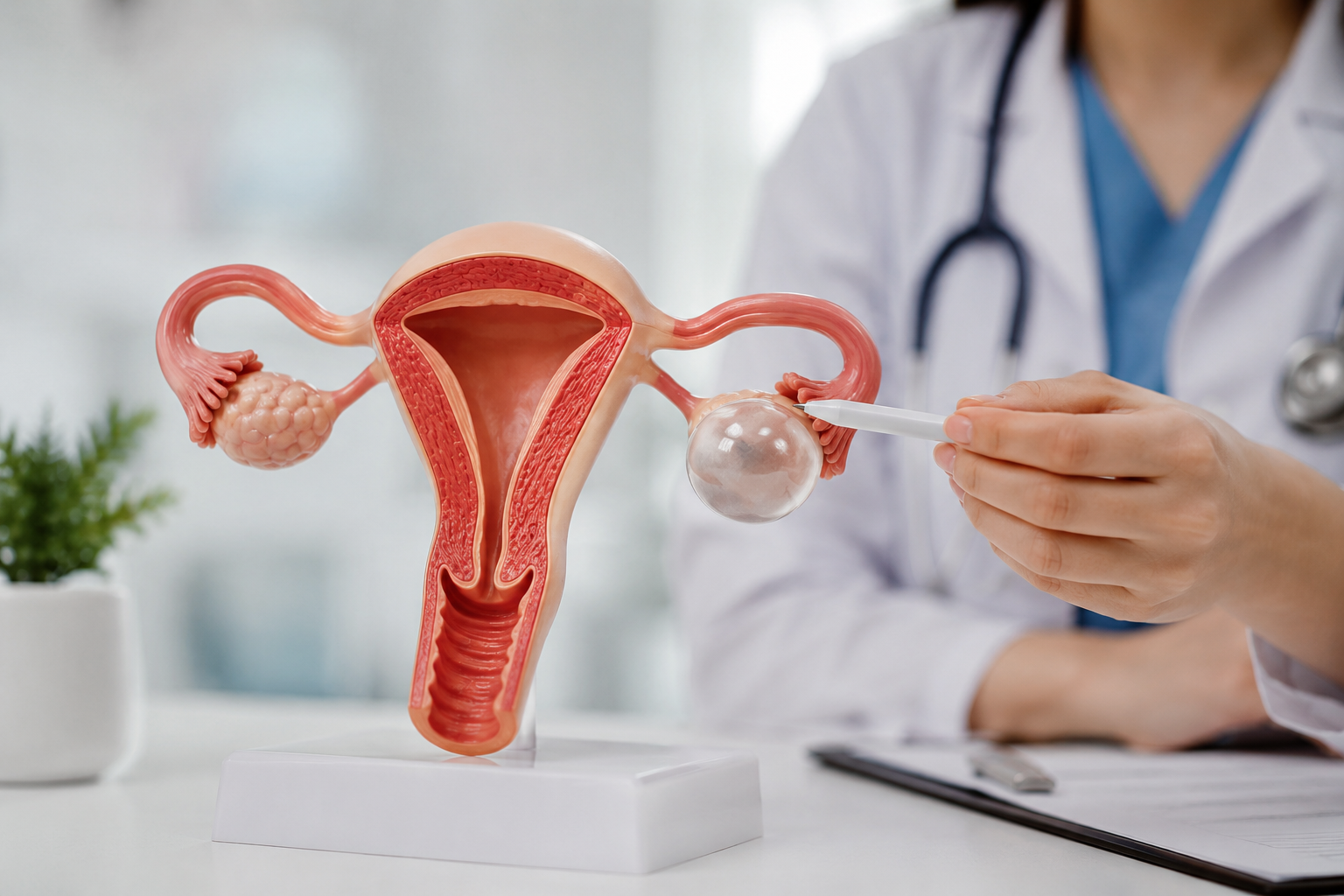
An ovarian cyst is a small fluid-filled growth that can develop within or on the surface of an ovary. Some cysts develop as part of the normal menstrual cycle and may settle without treatment. Others may be linked to conditions such as endometriosis, PCOS, or benign ovarian growths.
Most ovarian cysts are not cancerous. Even so, it is important to have them properly assessed, especially if they are large, painful, persistent, complex in appearance, or occur after menopause.
Common Symptoms of Ovarian Cysts
Many ovarian cysts are asymptomatic. They may only be found during an ultrasound or pelvic examination. If an ovarian cyst causes symptoms, women may notice:
- Pelvic pain or pressure
- Bloating or lower abdominal fullness
- Irregular periods
- Pain during intercourse
- Lower back discomfort
- Heavy or unusual bleeding
The search term pelvic pain ovarian cyst is common because pelvic discomfort is one of the main reasons women seek medical advice. However, pelvic pain can have several causes, so a proper diagnosis is important.
When should you see an ovarian cyst specialist in Melbourne?
You may benefit from seeing a specialist if you have ongoing pelvic pain, heavy or irregular bleeding, and pain during sex, fertility concerns, or an ovarian cyst that needs review after an ultrasound.
Seek urgent medical care if you experience:
- Sudden severe pelvic pain
- Fever or vomiting
- Dizziness or fainting
- Heavy bleeding
- Pain that becomes rapidly worse
These symptoms may suggest a complication such as cyst rupture or ovarian torsion.
How Are Ovarian Cysts Diagnosed?
Diagnosis usually begins with a discussion about your symptoms, menstrual cycle, medical history, and any previous scan results. Your doctor may recommend an ultrasound to check the size and appearance of the cyst.
In some cases, blood tests or repeat imaging may be suggested. This is more likely if the cyst has complex features, is not settling, or appears after menopause.
Ovarian Cyst Treatment Melbourne
Ovarian cyst treatment Melbourne depends on several factors, including:
- Type and size of the cyst
- Symptoms and pain levels
- Age and menopause status
- Fertility plans
- Ultrasound findings
- Medical history
Small, simple cysts may only need monitoring with a follow-up ultrasound. If symptoms are mild, pain relief or hormonal treatment may be discussed. If the cyst is large, painful, persistent, or concerning, surgery may be recommended.
Treatment should always be personalised, as every patient’s situation is different.
When Is Ovarian Cyst Surgery Needed?
Ovarian cyst surgery Melbourne may be considered if a cyst is causing significant symptoms, continues to grow, does not resolve, affects fertility, or has features that require further investigation.
Surgery may be recommended when:
- The cyst is large or persistent
- Pain is ongoing or severe
- The cyst has complex features
- There is concern about torsion or rupture
- Fertility or pregnancy planning may be affected
Where appropriate, minimally invasive laparoscopic surgery may be used. This involves small incisions and is commonly considered for suitable benign ovarian cysts. In some cases, open surgery may be needed, especially if the cyst is very large or there are other medical concerns.
The aim is often to remove the cyst while preserving healthy ovarian tissue where possible. If you are planning a pregnancy, fertility goals should be discussed before any procedure.
Types of Ovarian Cysts
There are several types of ovarian cysts. Functional cysts are linked to ovulation and often resolve on their own. Endometriosis is associated with endometriosis and may cause pain or fertility concerns. Dermoid cysts may contain different types of tissue and may need removal if they are large or symptomatic.
A specialist can help identify the likely type of cyst and recommend the safest next step.
Ovarian Cysts and Fertility
Not all ovarian cysts affect fertility. Simple functional cysts often have little impact. However, cysts linked to endometriosis or other gynaecological conditions may be associated with difficulty conceiving.
If you are trying to conceive and have been diagnosed with an ovarian cyst, your specialist can review your scan results and fertility history. Sometimes treatment may help, while in other cases, monitoring may be safer to protect ovarian function.
What to Expect at Your Appointment
At your appointment, your doctor may ask about:
- Your symptoms and pain pattern
- Menstrual cycle history
- Previous ultrasound or blood test results
- Fertility plans
- Current medications
- Relevant family or medical history
Your specialist may discuss whether the cyst needs monitoring, further tests, medication, or surgery. You can also ask about recovery, risks, fertility impact, and follow-up care.
Questions to Ask Your Specialist
Useful questions include:
- Could this cyst be causing my symptoms?
- Do I need treatment, or can it be monitored?
- When should an ovarian cyst be removed?
- Could this affect my fertility?
- What symptoms should I watch for?
Ovarian cysts are common, symptoms such as ongoing pelvic pain, abnormal bleeding, bloating, or fertility concerns should not be ignored. Seeing an ovarian cyst specialist Melbourne can help you understand your diagnosis and choose the most suitable treatment plan.
Whether you need monitoring, medical management, or surgery, the right approach depends on your symptoms, scan findings, age, and personal health goals.
Frequently Asked Questions
1. Are ovarian cysts common?
Yes. Ovarian cysts are common, especially during the reproductive years. Many are harmless and may resolve without treatment.
2. Can an ovarian cyst cause pelvic pain?
Yes. Some cysts can cause pelvic pain, pressure, bloating, or discomfort, especially if they are large, rupture, or twist.
3. Is ovarian cyst surgery always needed?
No. Many cysts can be monitored safely. Surgery is only recommended when clinically appropriate.
4. Can ovarian cysts affect fertility?
Some cysts may affect fertility, especially those linked with endometriosis or other reproductive conditions.
5. When should I see a doctor for an ovarian cyst?
You should seek medical advice if you have persistent pelvic pain, abnormal bleeding, bloating, fertility concerns, or a cyst that needs follow-up after an ultrasound.