

Adenomyosis is a frequently overlooked yet impactful gynaecological condition that can disrupt a woman’s daily life, physical comfort, and emotional well-being. Many women silently experience symptoms for years, often assuming that heavy or painful periods are part of a normal cycle. However, recognising the need for timely Adenomyosis diagnosis and treatment can make a significant difference in long-term health outcomes.
Understanding the condition, identifying warning signs early, and seeking expert care can lead to effective Adenomyosis diagnosis and treatment and improved quality of life. In this guide, we explore symptoms, causes, diagnostic methods, and the most suitable management approaches.
What is Adenomyosis?
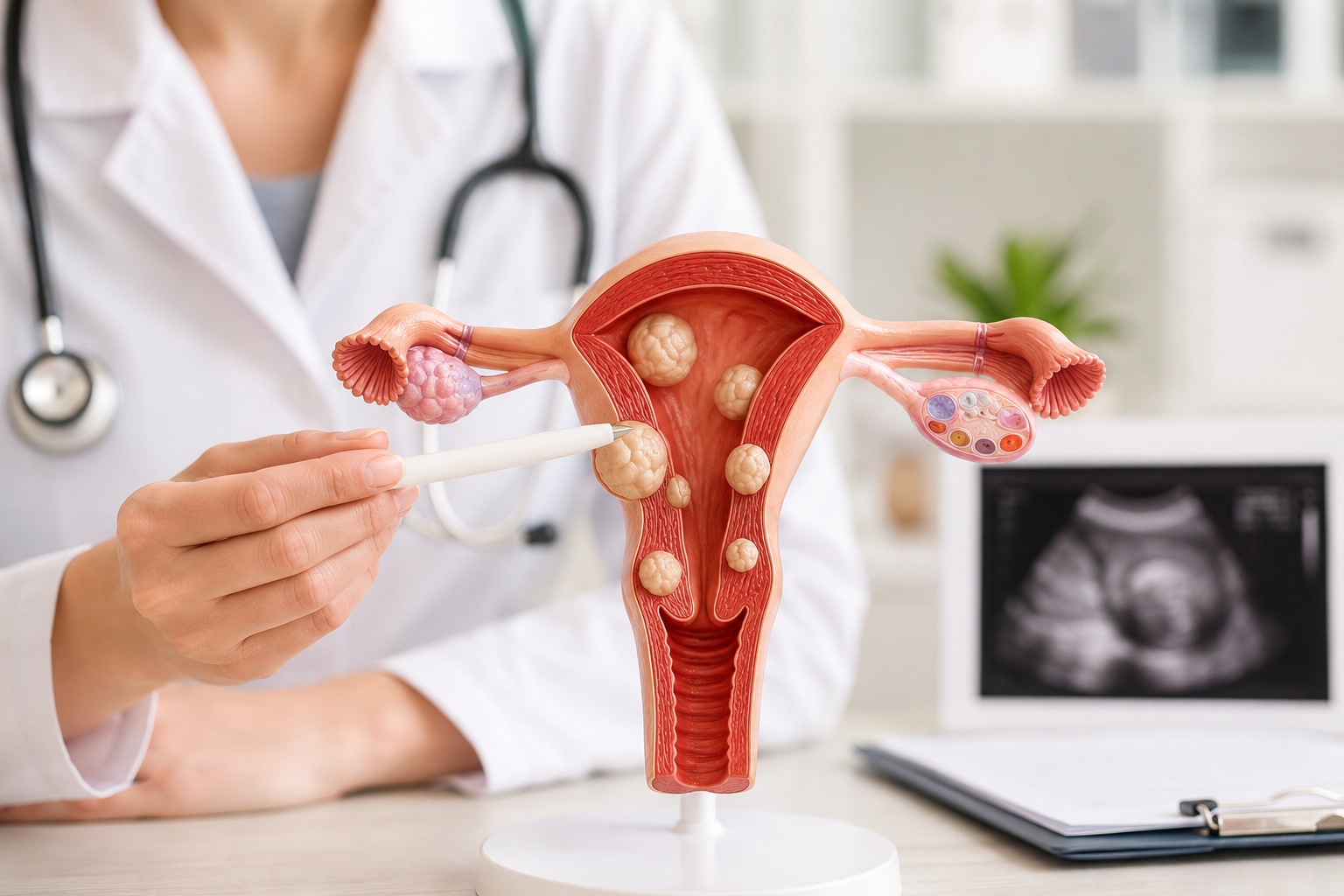
Adenomyosis occurs when the inner lining of the uterus (endometrium) begins to grow into the muscular wall (myometrium). This abnormal growth leads to inflammation and thickening of the uterine wall, resulting in pain and heavy bleeding during menstrual cycles.
Over time, this condition may lead to:
1. Enlargement of the uterus
2. Increased uterine tenderness
3. Persistent pelvic discomfort
This highlights the importance of early Adenomyosis diagnosis and management to prevent worsening symptoms.
Who is at Risk?
Adenomyosis is more commonly seen in:
1. Women aged 30–50
2. Women who have had one or more pregnancies
3. Individuals with prior uterine surgeries
4. Women with hormonal imbalances, particularly oestrogen dominance
Early identification of risk factors helps in proactive Adenomyosis diagnosis and management and better symptom control.
Common Symptoms of Adenomyosis
Recognising the Symptoms of adenomyosis early can help prevent delays in treatment. While symptoms may vary, the most common include:
1. Severe menstrual cramps (dysmenorrhoea)
2. Heavy or prolonged menstrual bleeding
3. Chronic pelvic pain
4. Pain during intercourse
5. Abdominal bloating or pressure sensation
Many women often ask: What are the early symptoms of adenomyosis? The answer lies in noticing persistent changes in menstrual patterns and pain intensity.
If these symptoms interfere with your daily life, consulting a Gynaecologist for adenomyosis in Melbourne is essential for proper evaluation and care.
How is Adenomyosis Diagnosed?
Accurate diagnosis involves a combination of clinical expertise and imaging techniques. A structured approach to Adenomyosis diagnosis and treatment includes:
1. Detailed medical history assessment
2. Pelvic examination
3. Imaging tests such as ultrasound or MRI
These methods help distinguish adenomyosis from other conditions and ensure precise Adenomyosis diagnosis and management.
Seeking care from a Gynaecologist for adenomyosis in Melbourne ensures access to advanced diagnostic tools and personalised evaluation.
Treatment Options for Adenomyosis
The choice of treatment depends on symptom severity, age, and fertility goals. There is no one-size-fits-all approach, and individualised Adenomyosis treatment Melbourne plans are essential.
1. Pain Management
1. Non-steroidal anti-inflammatory drugs (NSAIDs)
2. Provides temporary relief from pain
2. Hormonal Therapy
1. Oral contraceptive pills
2. Progesterone therapy
3. Hormonal intrauterine device (IUD)
These options are commonly included in Adenomyosis treatment Melbourne to control bleeding and reduce pain.
3. Surgical Treatment
1. Hysterectomy (removal of the uterus)
2. Considered in severe or non-responsive cases
Choosing the right Adenomyosis treatment Melbourne depends on your symptoms and future pregnancy plans.
Does Adenomyosis Affect Fertility?
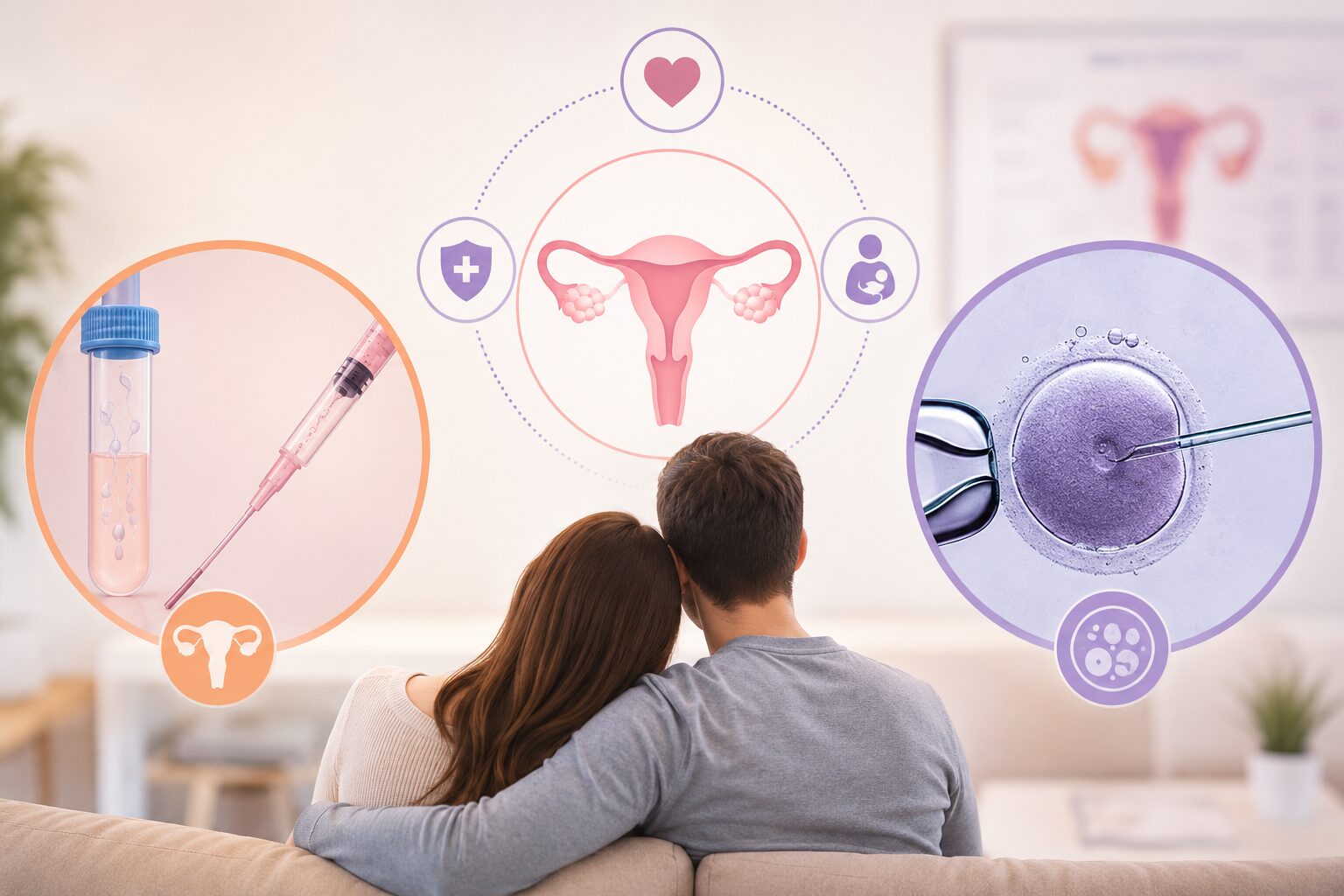
Adenomyosis can impact fertility by affecting implantation and uterine function. While not all women experience infertility, some may face challenges in conceiving or maintaining pregnancy.
If you are planning a pregnancy, consulting a Gynaecologist for adenomyosis in Melbourne is important to explore safe and effective treatment options.
Adenomyosis vs Endometriosis
Many women confuse these two conditions. Understanding the Difference between adenomyosis and endometriosis is crucial for proper treatment:
1. Adenomyosis: Tissue grows within the uterine muscle
2. Endometriosis: Tissue grows outside the uterus
Both conditions may cause similar symptoms but require different management strategies. This makes accurate Adenomyosis diagnosis and management essential.
When Should You See a Doctor?
You should seek medical advice if you experience:
1. Heavy bleeding affects daily activities
2. Periods lasting longer than 7–10 days
3. Severe or worsening pelvic pain
4. Difficulty conceiving
Timely consultation with a Gynaecologist for adenomyosis Melbourne ensures early detection and better outcomes.
Advanced Care and Personalised Approach
Modern healthcare focuses on personalised treatment plans tailored to each patient’s needs. With advancements in imaging and minimally invasive techniques, the best treatment options for adenomyosis in Melbourne are now more effective and less disruptive to daily life.
A holistic approach that combines symptom management, lifestyle support, and medical care plays a vital role in long-term well-being.
Final Thoughts
Adenomyosis is a manageable condition when identified early and treated appropriately. Ignoring symptoms can delay care and worsen the condition, but timely Adenomyosis diagnosis and treatment can significantly improve quality of life.
With expert guidance, the right Adenomyosis treatment Melbourne, and ongoing support, most women can achieve symptom relief and maintain overall health.
Ready to Take Control of Your Health?
If you are experiencing symptoms or need expert guidance, consult a specialist today. Early Adenomyosis diagnosis and treatment can help you regain comfort, confidence, and control over your health.
Frequently Asked Questions:
Can adenomyosis affect fertility?
Yes, adenomyosis can impact fertility in some women by affecting implantation or increasing the risk of miscarriage. Early diagnosis and management can help improve outcomes.
What is the difference between adenomyosis and endometriosis?
The difference between adenomyosis and endometriosis is that adenomyosis occurs within the uterine muscle, while endometriosis occurs outside the uterus.
When should I see a gynaecologist for adenomyosis?
You should consult a gynaecologist for adenomyosis Melbourne if you experience heavy bleeding, severe cramps, prolonged periods, or difficulty conceiving.
Is adenomyosis a serious condition?
Adenomyosis is not life-threatening but can significantly affect quality of life. Proper adenomyosis diagnosis and management can help control symptoms effectively.
Can adenomyosis be treated without surgery?
Yes, many cases can be managed without surgery using hormonal treatments and medications as part of adenomyosis treatment in Melbourne.