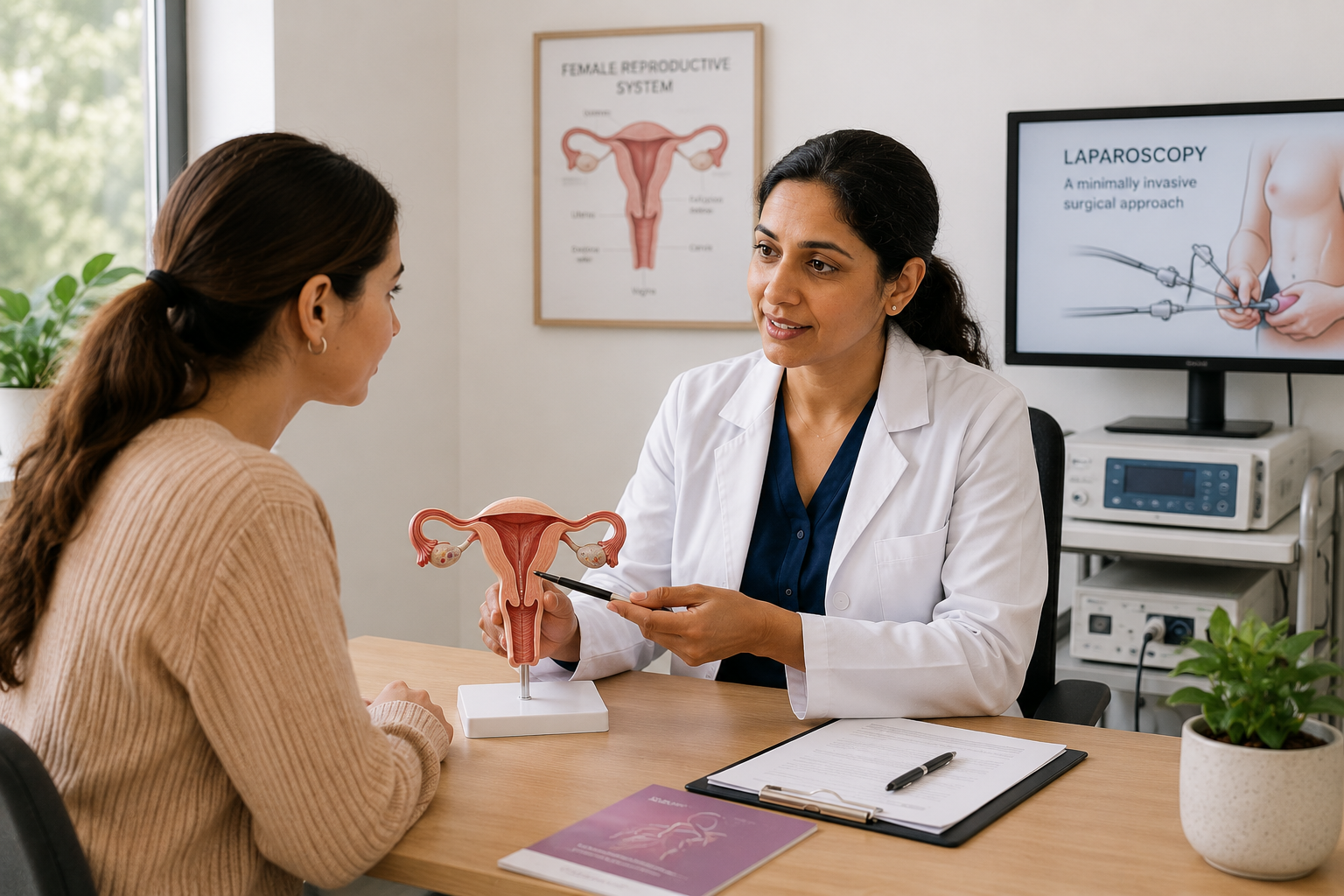

Changes in your menstrual cycle can be unsettling, particularly if your periods suddenly become much heavier, last longer than usual or occur at unexpected times. While occasional variations are common, persistent changes shouldn’t be ignored. If you’re searching for abnormal uterine bleeding treatment Melbourne, understanding what abnormal uterine bleeding is and what may be causing it is the first step towards receiving the right care.
What Is Abnormal Uterine Bleeding?
Abnormal uterine bleeding refers to any bleeding from the uterus that differs from your usual menstrual pattern. This may involve changes in the amount of bleeding, the timing of your periods or how long they last.
It may include:
- Heavy menstrual bleeding
- Bleeding between periods
- Periods lasting longer than seven days
- Very frequent or irregular menstrual cycles
- Bleeding after sexual intercourse
- Bleeding after menopause
Every woman’s menstrual cycle is unique, so what is considered “normal” can vary. However, if you notice a significant or ongoing change from your usual pattern, it’s worth discussing it with your doctor.
Common Symptoms of Abnormal Uterine Bleeding
Some women notice only subtle changes, while others experience bleeding that affects work, family life or everyday activities.
Common symptoms include:
- Heavy menstrual bleeding
- Passing large blood clots
- Bleeding between periods
- Spotting after intercourse
- Periods that last longer than expected
- Irregular menstrual cycles
- Bleeding after menopause
- Pelvic pain or cramping
If heavy bleeding continues over several months, it may lead to iron deficiency anaemia, leaving you feeling tired or lacking energy.
What Can Cause Abnormal Uterine Bleeding?
Abnormal uterine bleeding is a symptom rather than a diagnosis. There are many possible reasons why it occurs, and identifying the cause is an important part of planning treatment.
Hormonal Changes
Hormones control the menstrual cycle. When hormone levels become unbalanced, ovulation may not occur regularly, causing the lining of the uterus to build up and shed unpredictably.
Hormonal changes commonly occur:
- During adolescence
- In perimenopause
- With polycystic ovary syndrome (PCOS)
- Following significant weight changes
Polyps and Abnormal Bleeding
A common cause of irregular bleeding is polyps and abnormal bleeding occurring together.
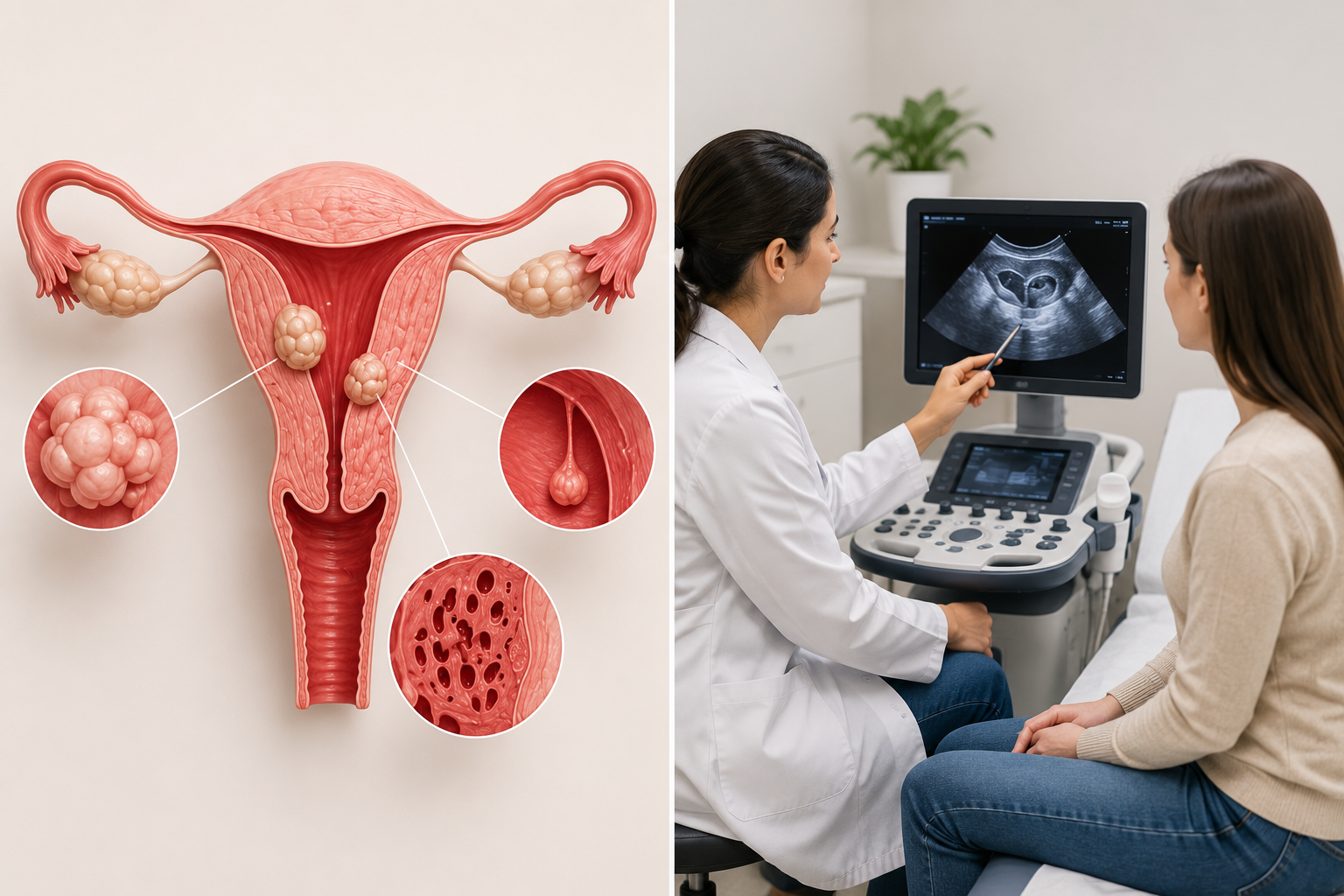
Uterine polyps are small growths that develop within the lining of the uterus. Most are non-cancerous, but they may cause symptoms such as:
- Heavy periods
- Bleeding between periods
- Spotting after intercourse
- Bleeding after menopause
Many women don’t realise they have uterine polyps until an ultrasound or hysteroscopy is performed.
Fibroids
Fibroids are non-cancerous growths that develop within the muscle of the uterus. Depending on their size and location, they may increase menstrual bleeding or cause periods to last longer than usual.
Adenomyosis
Adenomyosis occurs when tissue similar to the uterine lining grows into the muscular wall of the uterus. This often leads to heavy, painful periods and pelvic discomfort.
Other Possible Causes
Other conditions that may contribute include:
- Pregnancy-related complications
- Thyroid disorders
- Bleeding disorders
- Certain medications, including blood thinners
- Endometrial hyperplasia
- Less commonly, cancer affecting the uterus or cervix
While cancer is not the most common cause, persistent or postmenopausal bleeding should always be assessed promptly.
Concerned about changes in your menstrual cycle?
If heavy or irregular bleeding is affecting your quality of life, arranging a consultation with Dr Priya Rajagopal can help identify the underlying cause and discuss management options that are appropriate for your individual needs.
How Is Abnormal Uterine Bleeding Diagnosed?
The first step in diagnosing abnormal uterine bleeding is understanding your symptoms. Your gynaecologist will take the time to ask about your menstrual cycle, overall health and any changes you’ve noticed.
- How heavy is the bleeding?
- When did the bleeding start?
- Are you passing large blood clots?
- Do you have pelvic pain?
- Are you planning a pregnancy in the future?
- Have you reached menopause?
A physical examination may also be recommended, depending on your symptoms.
To better understand the cause, your doctor may suggest one or more investigations.
When Should You See a Doctor?
Some women wait months before seeking help because they believe heavy periods are simply part of getting older or having children. While menstrual patterns can change over time, persistent bleeding should never be ignored. If you’re unsure whether your symptoms are normal, it’s always reasonable to ask for medical advice.
Can Abnormal Uterine Bleeding Be Prevented?
Not every cause of abnormal uterine bleeding can be prevented. Hormonal changes, fibroids or adenomyosis may develop despite maintaining a healthy lifestyle.
However, some steps may support your reproductive health and help identify problems early.
These include:
- Attending regular women’s health check-ups
- Maintaining a healthy body weight
- Managing long-term health conditions such as thyroid disease or diabetes
- Following medical advice when using hormonal medications
- Reporting persistent menstrual changes early rather than waiting for symptoms to worsen
Early assessment often leads to earlier diagnosis and a wider range of treatment options.
Abnormal Uterine Bleeding Treatment Melbourne
Finding the right treatment starts with identifying the underlying cause. That’s why there’s no single treatment that’s suitable for every woman.
If you’re looking for abnormal uterine bleeding treatment Melbourne, your management plan will be tailored to factors such as:
- The cause of the bleeding
- Your age
- Whether you wish to have children in the future
- The severity of your symptoms
- Your overall health
Treatment may include:
Medication
Many women improve with medication alone. Depending on your diagnosis, your specialist may recommend:
- Hormonal treatments to regulate your menstrual cycle
- Non-hormonal medications that reduce menstrual blood loss
- Iron supplements if heavy bleeding has caused iron deficiency
- Pain relief where appropriate
Treatment for Structural Conditions
When investigations identify polyps and abnormal bleeding, removing the polyps using a hysteroscopy may improve symptoms.
Similarly, treatment for fibroids or adenomyosis depends on their size, location and the severity of your symptoms. Your specialist will explain the available options and help you decide which approach is most appropriate.
Surgical Treatment
If symptoms continue despite medical treatment or if surgery is considered the best option, procedures may include:
- Hysteroscopic removal of uterine polyps
- Surgery to remove fibroids
- Endometrial ablation for selected women who have completed their families
- Hysterectomy in carefully selected situations where other treatments are not appropriate
Every treatment plan is individualised. The goal is not only to reduce bleeding but also to improve your quality of life while considering your future reproductive plans.
Conclusion
If you’ve noticed heavier periods, bleeding between cycles or any unexpected changes in your menstrual pattern, seeking medical advice can provide reassurance and help you understand your options. Dr Priya Rajagopal offers personalised assessment and evidence-based care for women experiencing abnormal uterine bleeding, with treatment recommendations tailored to your individual needs.
Frequently Asked Questions
1. What is considered heavy menstrual bleeding, and when should I see a doctor?
Heavy menstrual bleeding is usually described as bleeding that affects your daily routine, requires you to change sanitary products more often than usual, or continues for longer than seven days. If you experience these symptoms regularly, it’s important to seek medical advice.
2. Can uterine polyps cause heavy or irregular periods?
Yes. Polyps and abnormal bleeding are commonly associated. Uterine polyps may cause heavy periods, spotting between periods or bleeding after menopause, although not everyone experiences symptoms.
3. Is abnormal uterine bleeding common during perimenopause?
Yes. Hormonal changes during perimenopause often lead to irregular bleeding. However, persistent or unusually heavy bleeding should still be assessed to exclude other possible causes.
4. Can stress cause abnormal uterine bleeding?
Significant physical or emotional stress can sometimes affect hormone levels and temporarily disrupt the menstrual cycle. However, ongoing abnormal bleeding should not automatically be attributed to stress and should be medically evaluated.
5. Will I always need surgery for abnormal uterine bleeding?
No. Many women respond well to medication or minimally invasive treatments. Surgery is only recommended when it is the most appropriate option based on the underlying cause and your individual circumstances.