
Changes in your reproductive health can affect many aspects of daily life, from managing ongoing pelvic pain to planning a pregnancy or coping with heavy menstrual bleeding. When symptoms continue despite conservative treatment, surgery may sometimes be recommended to diagnose or manage the underlying cause. If you are considering gynaecological laparoscopy Melbourne, understanding how the procedure works can help you feel more informed and confident about your treatment options.
Often referred to as keyhole surgery, laparoscopy is a minimally invasive technique that allows a gynaecologist to examine and treat many conditions affecting the female reproductive organs through small incisions. Compared with traditional open surgery, laparoscopic procedures are generally associated with smaller incisions, less discomfort after surgery and a quicker return to everyday activities for many women.
What Is Gynaecological Laparoscopy?
Gynaecological laparoscopy Melbourne refers to minimally invasive surgery performed to diagnose or treat conditions involving the uterus, ovaries, fallopian tubes and surrounding pelvic structures.
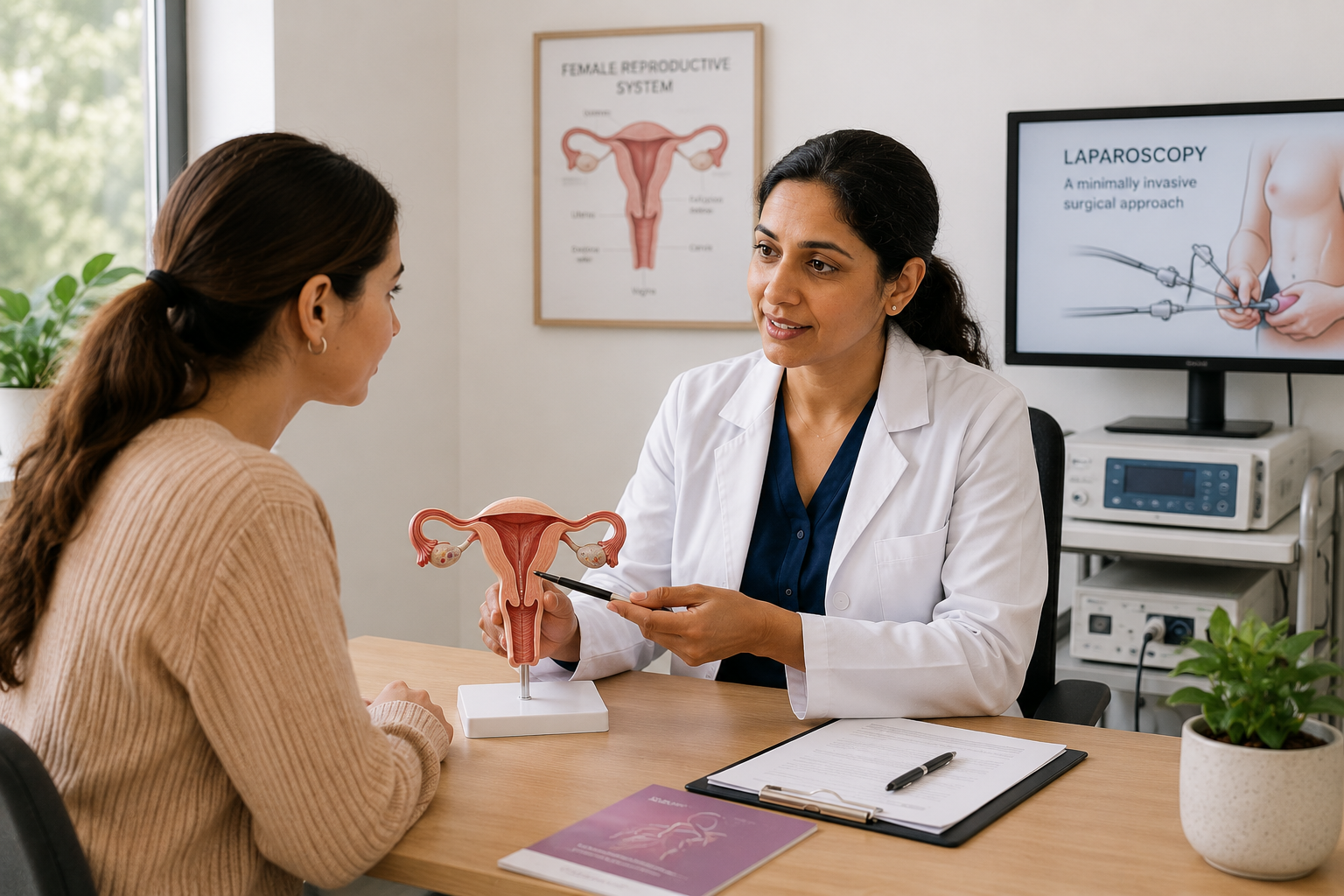
Instead of making a large abdominal incision, your surgeon inserts a thin camera called a laparoscope through a small incision, usually near the belly button. The camera sends magnified images to a monitor, allowing the surgeon to clearly view the pelvic organs. Additional small incisions may be used for specialised surgical instruments when treatment is required.
This approach has become an important part of minimally invasive gynaecology, offering an effective way to investigate symptoms while minimising the impact of surgery.
Why Might Gynaecological Laparoscopy Be Recommended?
Your gynaecologist may recommend laparoscopic surgery when symptoms cannot be fully explained through examinations or imaging, or when a condition requires surgical management.
Common reasons include:
• Persistent pelvic pain
• Heavy or irregular menstrual bleeding
• Ovarian cysts
• Endometriosis
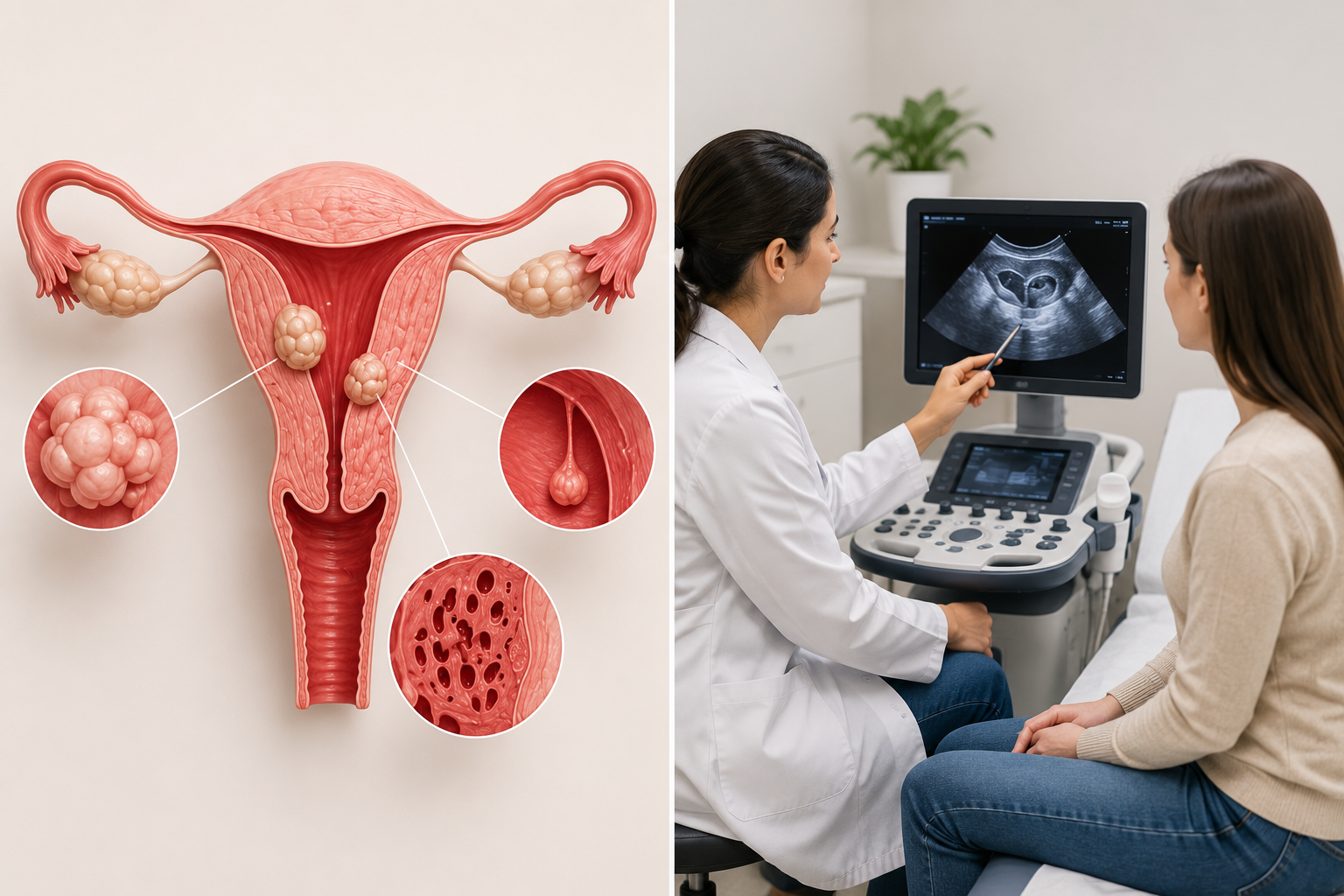
• Uterine fibroids
• Fertility concerns
• Pelvic adhesions
• Investigation of unexplained pelvic symptoms
Because every woman’s health needs are different, the decision to proceed with surgery is always based on your symptoms, medical history, examination findings and imaging results.
Conditions That May Be Treated Using Laparoscopy
Endometriosis
One of the most common reasons for Endometriosis laparoscopy Melbourne is to diagnose and manage endometriosis.
Symptoms may include:
• Painful periods
• Chronic pelvic pain
• Pain during intercourse
• Pain with bowel motions
• Difficulty conceiving
Laparoscopy allows your specialist to directly examine the pelvis and, where appropriate, remove or treat visible endometriosis during the same procedure.
Ovarian Cysts
Many ovarian cysts resolve without treatment. However, some continue to grow, cause pain or have features that require further assessment.
Ovarian cyst laparoscopy may be recommended when:
• A cyst is causing ongoing symptoms.
• The cyst is increasing in size.
• Imaging suggests further evaluation is needed.
• Ovarian torsion or rupture is suspected.
Where possible, surgery aims to remove the cyst while preserving healthy ovarian tissue.
Fibroids
Many fibroids cause no symptoms; others may contribute to:
• Heavy menstrual bleeding
• Pelvic pressure
• Pain
• Fertility concerns
For carefully selected women, Fibroid removal laparoscopic surgery may offer a minimally invasive option depending on the size, number and location of the fibroids.
Fertility Assessment
Sometimes investigations such as ultrasound and blood tests do not fully explain why pregnancy has not occurred.
In selected situations, Laparoscopy for infertility may help identify conditions such as:
• Endometriosis
• Pelvic adhesions
• Tubal disease
• Ovarian abnormalities
The findings help guide future fertility management based on each woman’s individual circumstances.
Chronic Pelvic Pain
Persistent pelvic pain can have many possible causes and may affect work, relationships and quality of life.
When other investigations have not identified the reason for symptoms, Pelvic pain laparoscopy may assist in diagnosing conditions that cannot always be detected on imaging alone.
Diagnostic and Therapeutic Laparoscopy
Laparoscopy may be performed for diagnosis, treatment or both.
Diagnostic Laparoscopy
Diagnostic laparoscopy Melbourne allows your specialist to directly examine the pelvic organs when the cause of symptoms remains unclear after other investigations.
It may help assess:
• Endometriosis
• Pelvic adhesions
• Tubal abnormalities
• Chronic pelvic pain
• Unexplained infertility
Therapeutic Laparoscopy
If an abnormality is identified during surgery, treatment may sometimes be performed during the same procedure. This can reduce the need for a second operation, depending on the clinical findings and the planned procedure.
Benefits of Minimally Invasive Surgery
Advances in Laparoscopic surgery Melbourne have changed the way many gynaecological conditions are managed.
Potential benefits compared with traditional open surgery may include:
• Smaller incisions
• Reduced postoperative discomfort
• Less blood loss in many procedures
• Shorter hospital stay for suitable patients
• Faster recovery for many women
• Smaller scars
• Earlier return to normal activities
The suitability of laparoscopic surgery depends on your diagnosis, overall health and the complexity of the condition being treated. Your gynaecologist will discuss whether this approach is appropriate for you.
Considering Your Treatment Options?
If you’ve been advised that surgery may be appropriate or would like to better understand whether gynecological laparoscopy Melbourne is suitable for your condition, speaking with an experienced gynaecologist can help you make an informed decision. Dr Priya Rajagopal provides personalised assessment and discusses treatment options based on your individual symptoms, diagnosis and reproductive health goals.
Preparing for Gynaecological Laparoscopy
Knowing what to expect before surgery can help you feel more comfortable and prepared.
Before your procedure, your gynaecologist will discuss your symptoms, medical history and any previous treatments. You may also require investigations such as blood tests, pelvic ultrasound or other imaging to help plan your surgery.
Your specialist will explain:
• Why laparoscopy has been recommended
• The expected benefits and possible risks
• Whether treatment is likely to be performed during the procedure
• What to expect during recovery
You may also receive instructions about fasting before surgery and whether any regular medications need to beadjusted. Be sure to follow your healthcare team’s advicecarefully, as these instructions are tailored to your individual circumstances.
What Happens During the Procedure?
Gynaecological laparoscopy is usually performed under general anaesthesia, meaning you will be asleep throughout the operation.
Once you are asleep:
•A small incision is made near the belly button.
•Carbon dioxide gas is gently introduced into the abdomen to create space for the surgeon to view the pelvic organs.
•A laparoscope (a thin camera) is inserted to provide a magnified view of the pelvis.
•One or more additional small incisions may be made to insert specialised surgical instruments if treatment is required.
•At the end of the procedure, the instruments are removed and the incisions are closed with stitches or surgical adhesive.
The length of surgery varies depending on the reason for the procedure and whether treatment is carried out at the same time.
Recovery After Laparoscopic Surgery
One of the reasons many women prefer Laparoscopic surgery Melbourne is the generally quicker recovery compared with traditional open surgery.
Following your procedure, you may experience:
• Mild abdominal discomfort
• Shoulder tip pain caused by the gas used during surgery
• Tiredness for a few days
• Light vaginal spotting
• Mild bloating
These symptoms usually improve over time, although everyone’s recovery is different.
Most women are encouraged to begin gentle walking soon after surgery, as this supports circulation and recovery. Your specialist will advise when you can safely return to work, exercise, driving and other normal activities based on the type of procedure performed.
Attending your follow-up appointment is also important, as it allows your specialist to discuss the surgical findings, review your recovery and answer any questions you may have.
When Should You Seek Medical Advice After Surgery?
While recovery is usually straightforward, it is important to seek medical advice promptly if you experience:
• Heavy vaginal bleeding
• Fever or chills
• Increasing abdominal pain
• Persistent vomiting
• Redness, swelling or discharge from the incision sites
• Difficulty passing urine
• Shortness of breath or chest pain
These symptoms do not always indicate a serious complication, but they should be assessed by a healthcare professional as soon as possible.
Can Gynaecological Laparoscopy Be Prevented?
Not every gynaecological condition can be prevented, and surgery is not always necessary. In many situations, symptoms can be managed with observation, medication or other non-surgical treatments.
Regular gynaecological check-ups, early assessment of persistent symptoms and timely investigation of pelvic pain, abnormal bleeding or fertility concerns may help identify conditions before they become more advanced.
Your specialist will always discuss the most appropriate management options based on your individual health needs. When surgery is recommended, it is because the expected benefits have been carefully considered in relation to your condition.
Conclusion
Modern gynaecological laparoscopy Melbourne has transformed the diagnosis and treatment of many gynaecological conditions by offering a minimally invasive approach that may result in smaller incisions, shorter hospital stays and a quicker recovery for many women.
Whether you are experiencing pelvic pain, endometriosis, ovarian cysts, fibroids or fertility concerns, laparoscopy can provide valuable information and, in many cases, allow treatment during the same procedure. Every woman’s situation is unique, which is why decisions about surgery should always be based on a thorough assessment and discussion with an experienced gynaecologist.
If you have ongoing gynaecological symptoms or have been advised that laparoscopic surgery may be appropriate, Dr Priya Rajagopal can discuss your diagnosis, answer your questions and help you understand the treatment options available based on your individual circumstances.
Frequently Asked Questions:
1. How long does it take to recover from gynaecological laparoscopy?
Recovery varies depending on the type of procedure performed, your general health and whether treatment was carried out during the laparoscopy. Some women can return to light activities within a few days, while more complex procedures may require a longer recovery. Your specialist will advise when it is appropriate to return to work, driving, exercise and other normal activities.
2. Is gynaecological laparoscopy used to diagnose endometriosis?
Yes, laparoscopy can be used to directly examine the pelvis for signs of endometriosis and, where appropriate, treat visible endometriosis during the same procedure. However, not everyone with suspected endometriosis will need surgery. Your gynaecologist will consider your symptoms, imaging results, previous treatment and individual circumstances before recommending laparoscopy.
3. Can gynaecological laparoscopy help investigate fertility concerns?
In selected situations, laparoscopy may help identify pelvic conditions that could affect fertility, such as endometriosis, pelvic adhesions or certain fallopian tube abnormalities. It is not routinely required for everyone experiencing fertility difficulties, so your specialist will determine whether it is likely to provide useful information in your situation.
4. When is laparoscopic surgery recommended for an ovarian cyst?
Many ovarian cysts can be monitored and may not require surgery. Laparoscopic surgery may be considered if a cyst is persistent, causing symptoms, increasing in size, or showing features that warrant further assessment. Treatment recommendations depend on factors such as the cyst’s appearance, your age, symptoms and future pregnancy plans.
5. What is the difference between diagnostic and operative gynaecological laparoscopy?
Diagnostic laparoscopy is mainly used to examine the pelvic organs and investigate symptoms that other tests may not fully explain. Operative laparoscopy involves treating a condition during surgery, such as removing an ovarian cyst or treating endometriosis. In some cases, diagnosis and treatment can be performed during the same procedure.