
Pelvic pain can be difficult to understand, particularly when symptoms continue despite normal scan results or previous treatment. For some women, discomfort follows a predictable menstrual pattern. For others, it occurs unexpectedly and affects work, sleep, relationships, and everyday activities.
Persistent pelvic pain does not always have a single explanation. Conditions affecting the reproductive organs, pelvic muscles, bladder, bowel and nervous system can all contribute. Sometimes several factors are involved.
Consulting a pelvic pain specialist Melbourne can help identify possible causes, determine whether further investigations are needed and explore management options suited to your symptoms and circumstances.
What Is Chronic Pelvic Pain?
Chronic pelvic pain generally refers to pain in the lower abdomen or pelvis that persists or repeatedly returns over an extended period, commonly six months or longer.
The discomfort may feel like aching, pressure, cramping, sharp pain or a combination of sensations. It may occur throughout the month or become more noticeable during menstruation, intercourse, bowel movements or urination.
Chronic pelvic pain is a symptom rather than a diagnosis. Its impact can also vary considerably. Some women continue their usual activities despite discomfort, while others find that pain interferes with their quality of life.
Importantly, pain intensity does not always reflect the severity of an underlying condition.
What Conditions Can Cause Persistent Pelvic Pain?
Several gynaecological and non-gynaecological conditions may contribute to pelvic discomfort.
Endometriosis
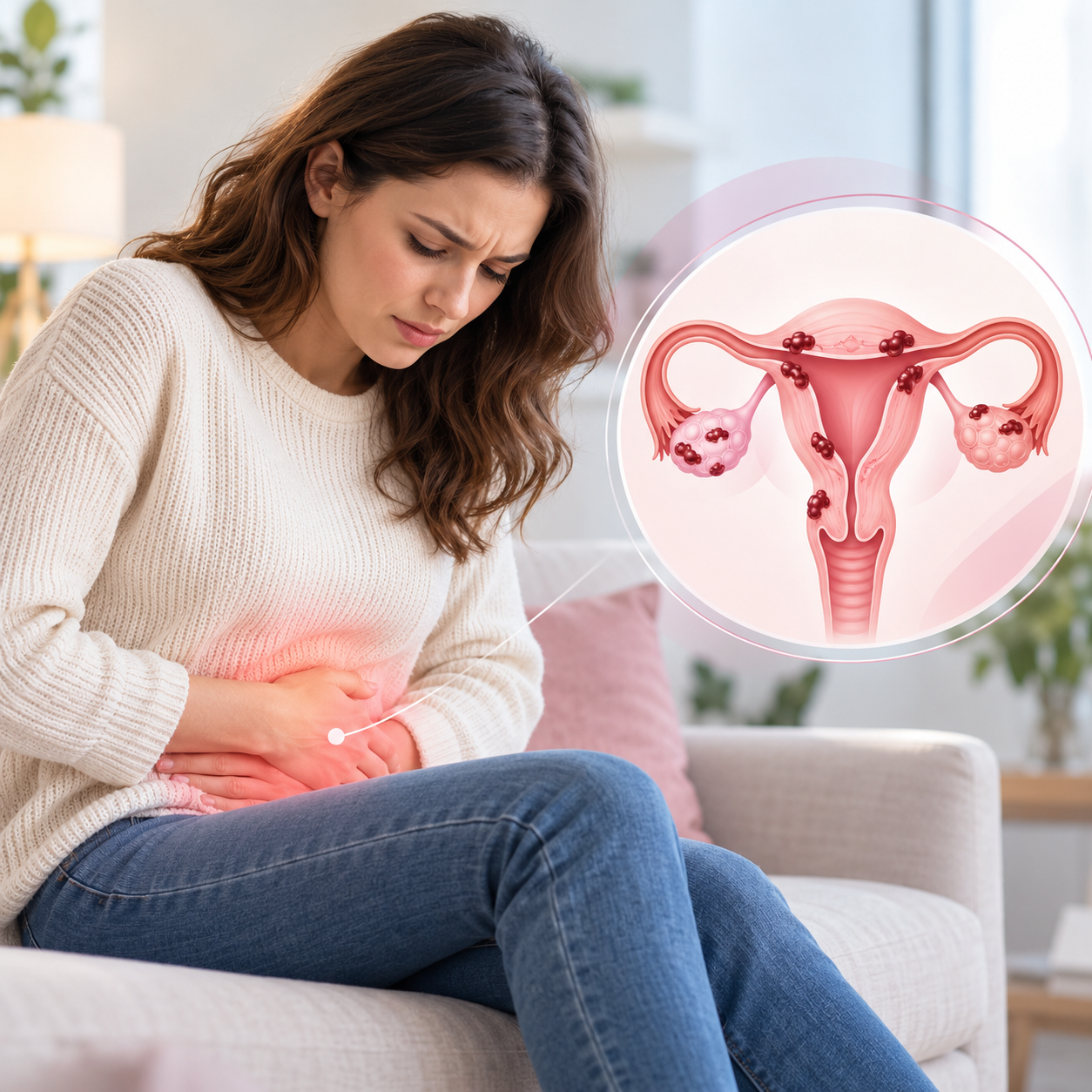
Endometriosis is a condition in which tissue resembling the lining of the uterus develops outside the uterus. It may cause painful periods, persistent pelvic pain, discomfort during intercourse or pain associated with bowel movements.
Some women experience significant symptoms even when imaging findings are limited.
Adenomyosis
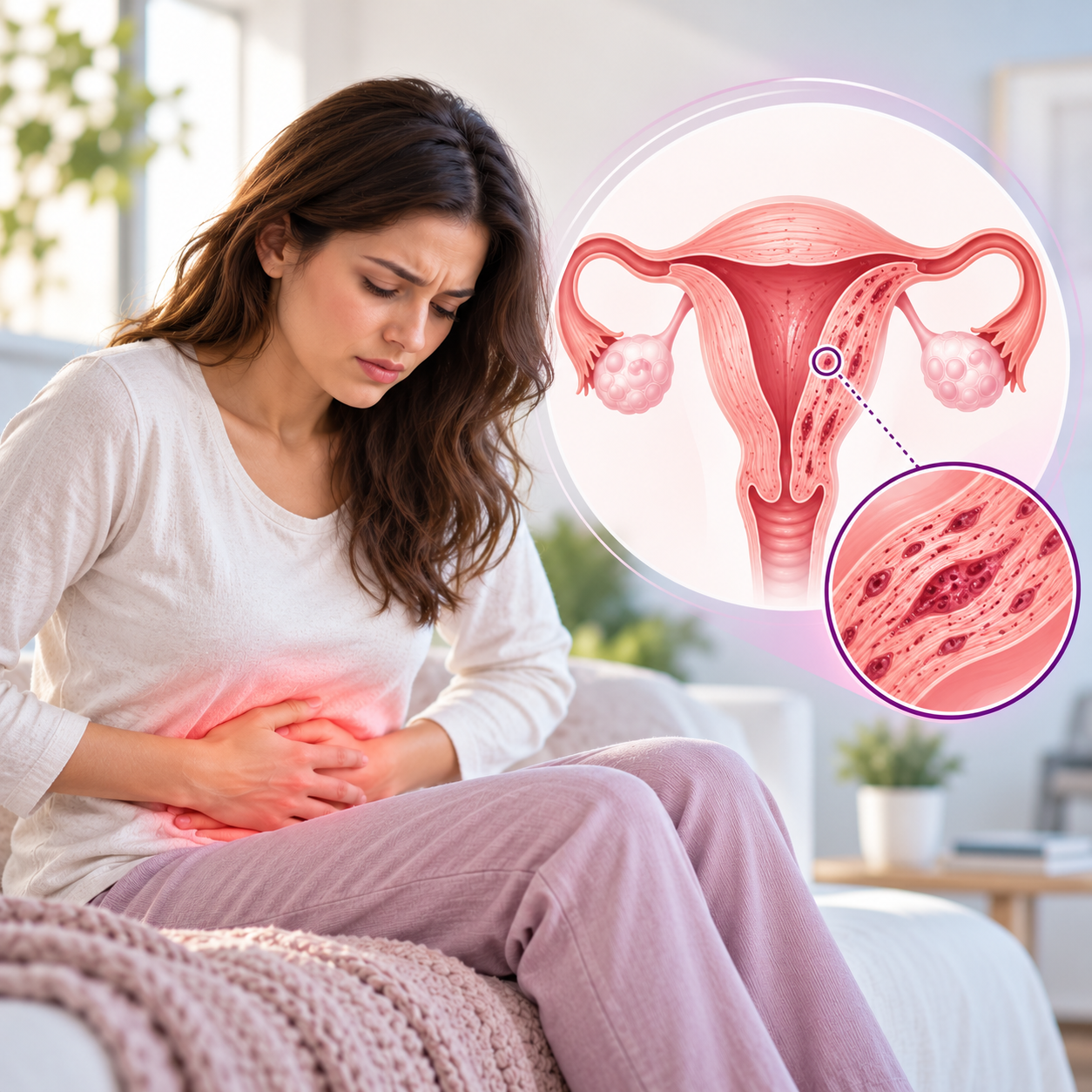
Adenomyosis develops when endometrial-like tissue is found within the muscular wall of the uterus.
It may be associated with painful periods, heavy menstrual bleeding and ongoing pelvic discomfort.
Uterine Fibroids
Fibroids are usually benign growths arising from uterine muscle tissue. Depending on their size and position, they may cause pelvic pressure, heavy bleeding or discomfort.
However, many fibroids cause no symptoms.
Ovarian Cysts
Most ovarian cysts are harmless and resolve without treatment. Some may cause discomfort, particularly if they become large, rupture or twist.
Sudden, severe pelvic pain requires urgent medical assessment.
Pelvic Floor Muscle Dysfunction
The pelvic floor muscles support the pelvic organs and contribute to bladder, bowel and sexual function.
When these muscles become overly tense or painful, symptoms may include pelvic aching, discomfort during intercourse or difficulty with bladder and bowel function.
Bladder and Bowel Conditions
Bladder pain syndrome, irritable bowel syndrome and chronic constipation can also contribute to pelvic discomfort.
These conditions may occur alongside gynaecological disorders, making a broader assessment important.
Why Can Pelvic Pain Continue When Scans Are Normal?
A normal ultrasound can be reassuring, but it does not exclude every possible cause of pelvic pain.
Some forms of endometriosis may not be visible on routine imaging. Pelvic floor muscle dysfunction and certain bladder or bowel conditions may also cause symptoms without producing obvious structural changes on a scan.
Another factor is pain sensitisation.
When pain persists, the nervous system may become more responsive to pain signals. This can increase sensitivity and contribute to discomfort even after treatment.
Pain sensitisation is a recognised biological process. It does not mean the pain is imagined.
Understanding these different mechanisms helps explain why chronic pelvic pain treatment sometimes involves several approaches rather than one medication or procedure.
How Does a Pelvic Pain Specialist Investigate the Cause?
Assessment begins with understanding your symptom pattern and how it affects everyday life.
Your specialist may ask about:
- When the pain began and how often it occurs
- Whether symptoms change during menstruation
- Pain during intercourse, urination or bowel movements
- Heavy or irregular menstrual bleeding
- Previous pelvic conditions or surgeries
- Fertility and pregnancy history
- Treatments already tried and their effectiveness
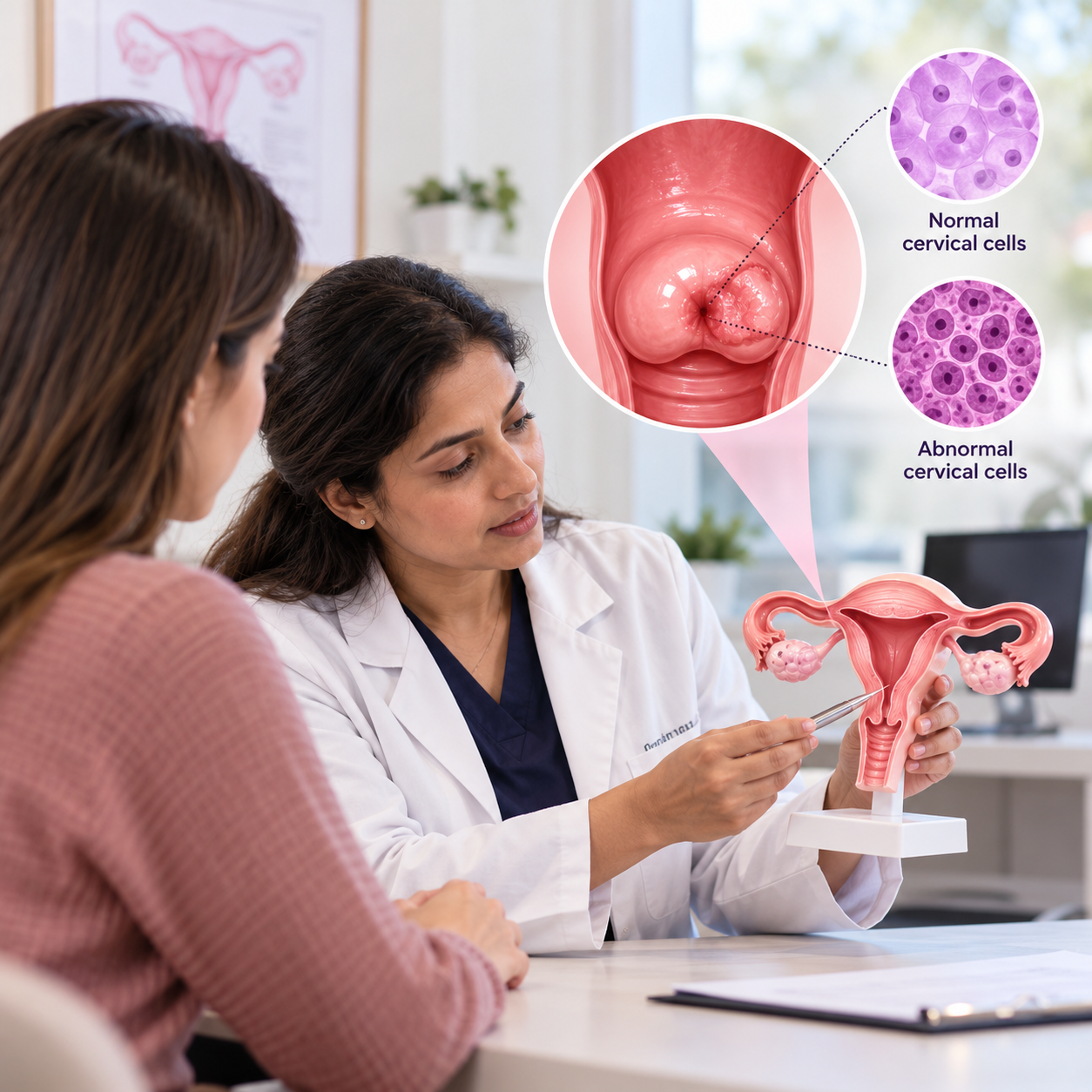
A physical examination may be recommended, with your consent.
A pelvic ultrasound can help identify conditions such as fibroids, ovarian cysts, and some features of adenomyosis or endometriosis.
MRI or other investigations may be considered when clinically appropriate.
Not everyone requires extensive testing. Investigations should be guided by symptoms, examination findings and the likelihood that results will influence management.
When Might Laparoscopy Be Considered?
Laparoscopy is a minimally invasive surgical procedure that allows a gynaecologist to examine the pelvic organs through small abdominal incisions.
It may be considered when a surgically treatable condition, such as endometriosis, is suspected and surgery is likely to provide diagnostic or therapeutic benefit.
However, laparoscopy is not routinely required for everyone experiencing chronic pelvic pain.
Your specialist will consider your symptoms, imaging findings, previous treatment and reproductive goals before discussing surgery.
When pelvic pain begins affecting everyday life
Persistent pelvic pain deserves careful assessment, even when earlier investigations have not provided a clear explanation. Dr Priya Rajagopal can review your symptoms, discuss possible contributing conditions and help you understand which investigations or treatments may be appropriate.
What Does Chronic Pelvic Pain Treatment Involve?
Treatment depends on the possible causes of pain, associated symptoms and individual health goals.
Medical Management
Medication may help manage pain or treat an identified condition.
For menstrual-related symptoms, hormonal treatment may be considered when appropriate.
The choice of medication depends on medical history, potential side effects and pregnancy plans.
Pelvic Floor Physiotherapy
Pelvic floor physiotherapy may help when muscle tension, tenderness or dysfunction contributes to symptoms.
A physiotherapist experienced in pelvic health can assess muscle function and recommend suitable treatment.
Multidisciplinary Pain Management
When several pain mechanisms are involved, management may include support from physiotherapists, pain specialists or other healthcare professionals.
Treatment may address pain sensitisation, sleep difficulties, movement and daily functioning.
Surgical Treatment
Surgery may be recommended for selected conditions, including some cases of endometriosis or ovarian pathology.
However, surgery does not guarantee complete pain relief, particularly when multiple factors contribute to symptoms.
Can Chronic Pelvic Pain Affect Fertility?
Pelvic pain itself does not necessarily affect fertility.
However, some underlying conditions, including endometriosis and certain fallopian tube abnormalities, may influence reproductive health.
If you are planning pregnancy, your specialist can consider fertility goals when discussing investigations, hormonal treatments or surgery.
When Should You Seek Medical Advice?
Consider arranging an assessment if pelvic pain is persistent, recurring, worsening or affecting your quality of life.
Seek urgent medical attention if you experience sudden severe pelvic pain, particularly with fainting, fever, heavy bleeding, vomiting or possible pregnancy.
Conclusion
Chronic pelvic pain can involve several overlapping conditions, and the cause is not always visible on imaging. Understanding the symptoms, possible contributing factors and available treatments is an important part of managing the condition.
A pelvic pain gynaecologist in Melbourne can assess reproductive health concerns while considering whether other pelvic conditions may be contributing.
If persistent pelvic pain affects your daily life, Dr Priya Rajagopal can provide a personalised assessment and discuss appropriate management options based on your circumstances.
Frequently Asked Questions
Can chronic pelvic pain occur even when an ultrasound is normal?
Yes. Some conditions, including certain forms of endometriosis, pelvic floor muscle dysfunction and pain sensitisation, may not be identified on routine ultrasound. Further assessment depends on your symptoms and clinical findings.
Does chronic pelvic pain always mean endometriosis?
No. Endometriosis is one possible cause, but adenomyosis, pelvic floor dysfunction, bladder or bowel conditions and other factors may also contribute. Sometimes more than one condition is involved.
Can chronic pelvic pain be treated without surgery?
Yes. Depending on the cause, treatment may include medication, hormonal management, pelvic floor physiotherapy or multidisciplinary pain care. Surgery is considered when clinically appropriate, not necessary for everyone.
Can chronic pelvic pain affect my chances of becoming pregnant?
Pelvic pain does not automatically mean fertility is affected. However, some underlying conditions, including endometriosis or tubal disease, may influence fertility. Your specialist can assess whether further investigation is appropriate.
When should I see a pelvic pain specialist in Melbourne?
A specialist assessment may help if pain persists, returns repeatedly, affects daily activities, or doesn’t improve with initial treatment. A consultation can clarify possible causes and the right next steps.