
Painful periods and heavy menstrual bleeding can affect much more than a woman’s monthly routine. When symptoms become increasingly uncomfortable, interfere with daily activities, or don’t improve with initial treatment, it may be worth investigating whether an underlying gynaecological condition is contributing.
Adenomyosis is one possible explanation. Although it shares symptoms with endometriosis and uterine fibroids, it affects the uterus differently and may require a different management approach.
Consulting an adenomyosis specialist Melbourne can help clarify the diagnosis, assess symptom severity, and discuss treatment options based on your reproductive health and personal circumstances.
What Is Adenomyosis?
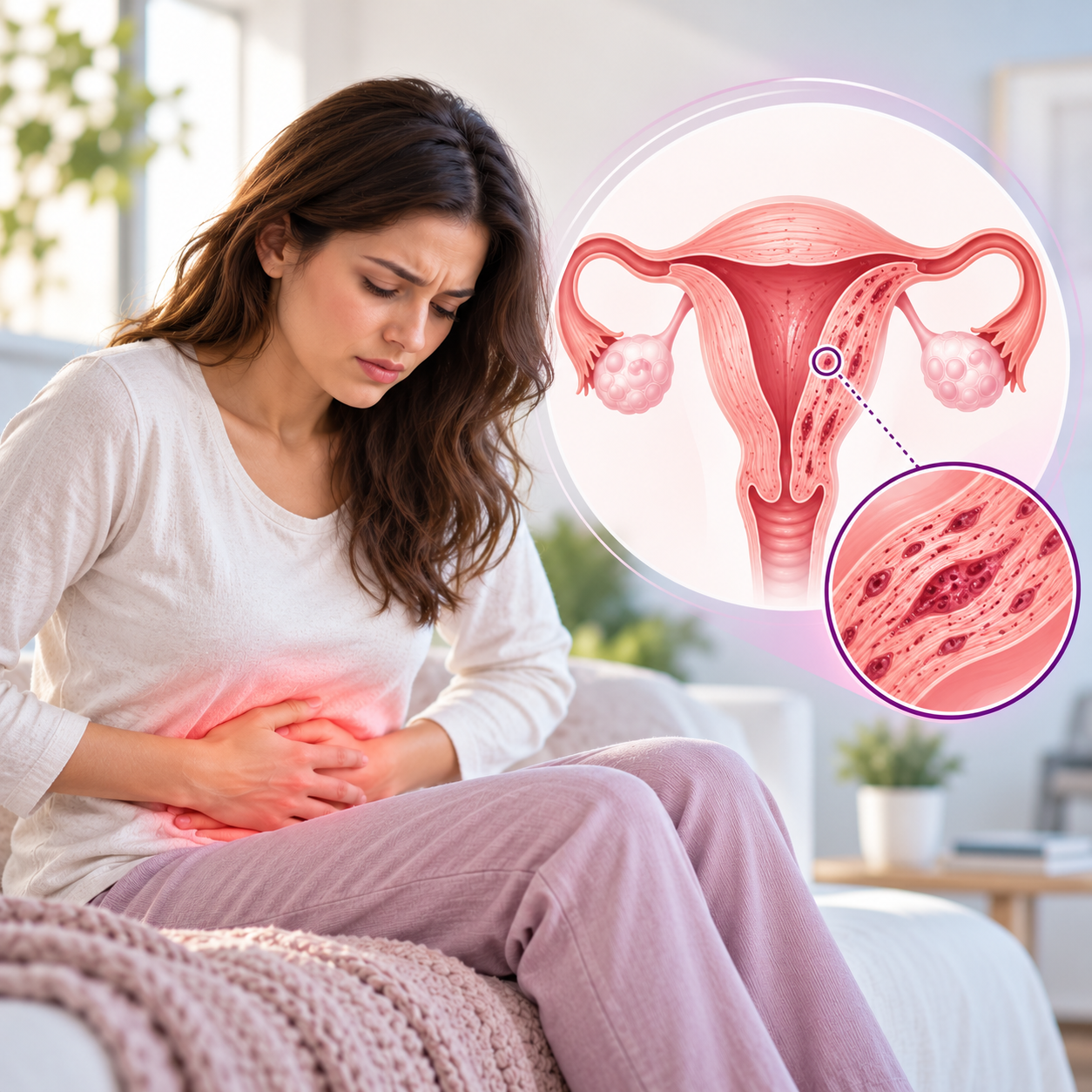
Adenomyosis occurs when tissue similar to the uterine lining, called the endometrium, grows within the muscular wall of the uterus, known as the myometrium.
The condition can cause changes within the uterine muscle, including thickening, inflammation and enlargement in some women.
Adenomyosis is benign, meaning it is not cancer.
However, it may contribute to significant menstrual symptoms and pelvic discomfort.
Not every woman with adenomyosis experiences symptoms, and the severity of symptoms can vary considerably.
How Is Adenomyosis Different From Endometriosis?
Adenomyosis and endometriosis are separate conditions, although they can occur together.
In adenomyosis, endometrial-like tissue is found within the uterus’s muscular wall.
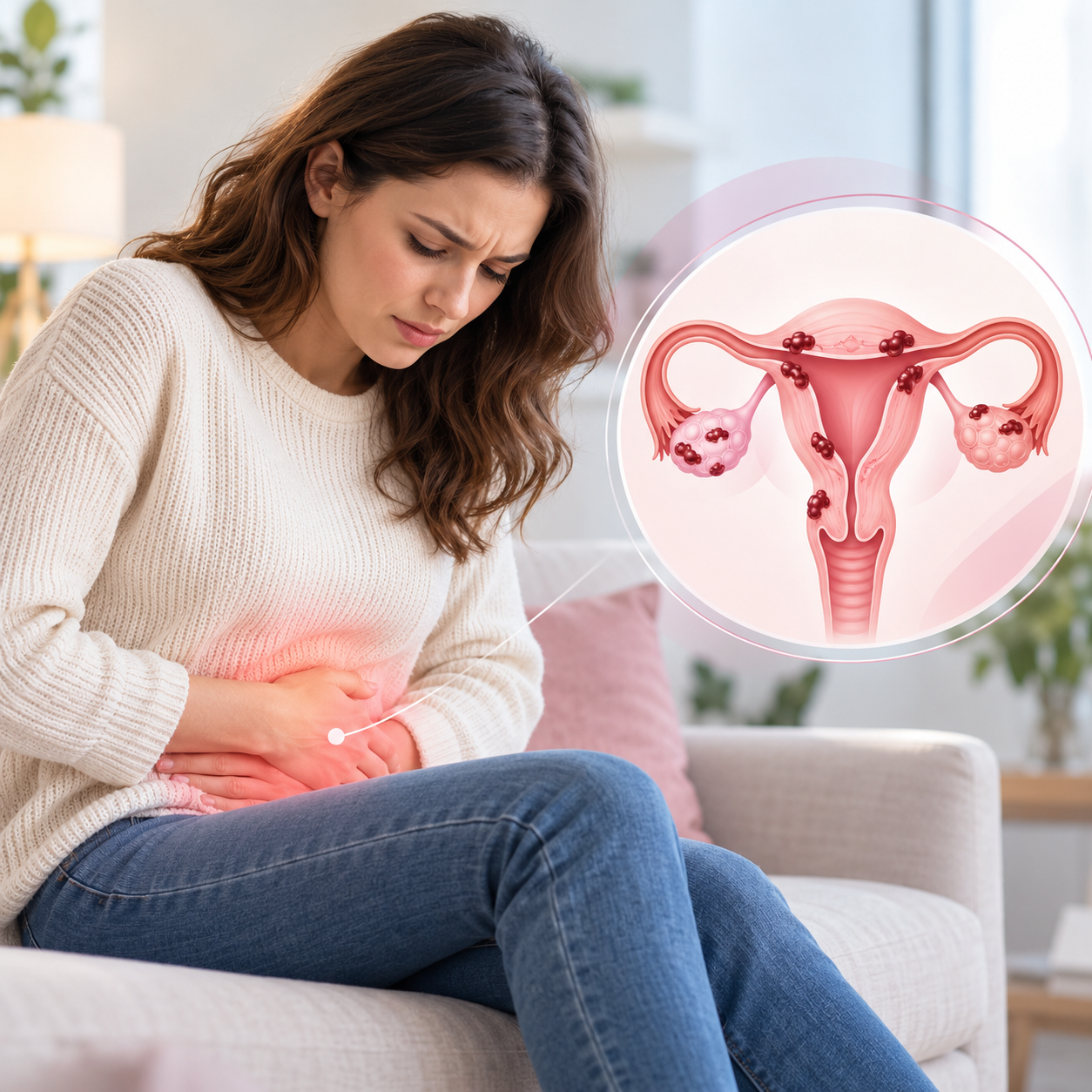
In endometriosis, similar tissue forms outside the uterus, such as on the pelvic lining, ovaries, or other pelvic structures.
Both conditions may cause painful periods, pelvic pain and fertility concerns.
Because symptoms overlap, you can’t always distinguish them based on symptoms alone.
What Are the Common Symptoms of Adenomyosis?
Symptoms may include:
- Heavy or prolonged menstrual bleeding
- Painful periods
- Persistent pelvic discomfort
- Pelvic heaviness or pressure
- Pain during intercourse
- Fatigue associated with heavy bleeding or iron deficiency
- Menstrual symptoms affecting work, sleep or daily activities
Some women mainly experience heavy bleeding, while others have significant pain without particularly heavy periods.
Adenomyosis may also be identified during imaging performed for another reason.
Why Does Adenomyosis Cause Heavy or Painful Periods?
Adenomyosis affects the uterine muscle and may change how the uterus functions during menstruation.
Inflammatory processes, changes in uterine muscle activity, and increased uterine sensitivity may contribute to menstrual pain.
Changes in the uterine muscle may also be associated with heavier bleeding.
However, imaging findings do not always correspond with symptom severity.
A woman with relatively limited imaging changes may experience substantial discomfort, while another woman with more extensive changes may have few symptoms.
This is why treatment decisions should consider the symptoms and their impact rather than relying on imaging findings alone.
Why Can Adenomyosis Be Difficult to Diagnose?
Adenomyosis can be challenging to identify because its symptoms overlap with several other gynaecological conditions.
Heavy bleeding and pelvic pain may also occur with fibroids, endometriosis or other uterine disorders.
Imaging findings can vary depending on the extent and pattern of adenomyosis.
The clinician’s experience in performing and interpreting the ultrasound may also affect how clearly features are identified.
A normal or inconclusive scan does not necessarily exclude adenomyosis.
Diagnosis therefore involves combining symptoms, examination findings and appropriate imaging rather than relying on a single result.
How Is Adenomyosis Investigated?
Assessment usually begins with a review of menstrual symptoms, pelvic pain and medical history.
Your specialist may ask about:
- The timing and severity of menstrual pain
- How much bleeding occurs during periods
- Changes in symptoms over time
- Previous pregnancies or uterine procedures
- Fertility plans
- Previous treatments and their effectiveness
Transvaginal Ultrasound
Transvaginal ultrasound is commonly used to assess the uterus for features associated with adenomyosis.
Possible findings include changes in the appearance of the uterine muscle, asymmetrical thickening or small cystic spaces within the myometrium.
Ultrasound may also identify fibroids or other structural conditions.
MRI
Consider MRI when ultrasound findings are unclear, other conditions are suspected, or more anatomical detail would help plan treatment.
Not every woman with suspected adenomyosis requires MRI.
When heavy periods or pelvic pain continue
If menstrual symptoms affect your daily life or previous treatment hasn’t provided adequate relief, Dr Priya Rajagopal can review your history, discuss appropriate investigations, and help determine whether adenomyosis or another condition may be contributing.
Can Adenomyosis Affect Fertility?
Adenomyosis has been associated with certain fertility and pregnancy difficulties in research.
Possible contributing mechanisms include changes in uterine function, inflammation, and factors that affect implantation.
However, an association does not mean that adenomyosis is necessarily the cause of infertility in an individual woman.
Many women with adenomyosis conceive without fertility treatment.
Age, ovulation, sperm factors, fallopian tube health and other reproductive conditions may also influence fertility.
If pregnancy is a goal, treatment decisions should consider the available evidence, individual circumstances and whether other fertility factors require assessment.
What Are the Adenomyosis Treatment Options?
Adenomyosis treatment depends on symptom severity, medical history, reproductive goals and whether other pelvic conditions are present.
Not everyone requires treatment.
Pain Management
Pain-relieving medication, including certain anti-inflammatory medicines, may help manage menstrual discomfort when appropriate.
Your doctor can advise whether these medicines suit your circumstances.
Hormonal Treatment
Hormonal treatment may help reduce heavy menstrual bleeding and pain.
Options can include:
- A levonorgestrel-releasing intrauterine device
- Certain combined hormonal contraceptives
- Progestogen-based treatments
- Other hormonal therapies in selected circumstances
Hormonal treatments generally manage symptoms rather than permanently eliminating adenomyosis.
Their suitability depends on medical history, symptoms and pregnancy plans.
Managing Heavy Bleeding and Iron Deficiency
Heavy menstrual bleeding may contribute to iron deficiency or anaemia.
Your doctor may recommend blood tests to assess haemoglobin and iron levels.
Management may involve reducing menstrual blood loss and treating iron deficiency where present.
Surgical Treatment
Surgery may be considered when symptoms remain significant despite appropriate medical management.
Hysterectomy, which removes the uterus, is a definitive treatment for uterine adenomyosis.
However, it permanently ends the ability to carry a pregnancy and is not suitable for women wishing to preserve that possibility.
Other procedures may be considered in selected circumstances, although their suitability and supporting evidence vary.
Is Hysterectomy Always Necessary?
No.
Many women manage adenomyosis symptoms without hysterectomy.
Medical treatment, hormonal options, and monitoring may control symptoms appropriately.
Surgery is considered based on symptom severity, previous treatment, reproductive goals, and personal preferences.
An adenomyosis specialist in Melbourne can help explain whether continued non-surgical management or further treatment may be appropriate.
What If Adenomyosis and Fibroids Occur Together?
Adenomyosis and uterine fibroids can occur in the same woman.
Both may contribute to heavy periods, pelvic pressure and discomfort.
When they coexist, it can be difficult to determine which condition causes specific symptoms.
Imaging can help identify their characteristics, but treatment planning should consider both conditions.
For example, removing a fibroid may not resolve all symptoms if adenomyosis is also contributing.
That is why a comprehensive assessment matters before considering surgery.
Can Adenomyosis Improve After Menopause?
Adenomyosis is influenced by reproductive hormones, and symptoms often improve after menopause as ovarian hormone levels decline.
However, symptoms do not necessarily disappear immediately for everyone.
New bleeding after menopause should not automatically be attributed to adenomyosis.
Postmenopausal bleeding requires medical assessment to determine the cause.
When Should You Seek Specialist Advice?
Consider arranging a consultation if you experience heavy or increasingly painful periods, persistent pelvic discomfort, symptoms that have not improved with initial treatment or uncertainty about imaging findings.
Specialist assessment may also be useful if adenomyosis has been identified and you are planning pregnancy.
Conclusion
Adenomyosis is a benign uterine condition that can affect menstrual health, pelvic comfort and reproductive planning.
Although heavy periods and painful menstruation are common features, symptoms vary considerably between women.
Accurate assessment and individualised management can help guide treatment decisions without assuming that surgery is necessary for everyone.
If you are experiencing persistent menstrual pain, heavy bleeding or suspected adenomyosis, Dr Priya Rajagopal can discuss appropriate investigations and management options based on your individual circumstances.
Frequently Asked Questions
How is adenomyosis diagnosed?
Adenomyosis is usually assessed through medical history, symptoms, clinical examination where appropriate and pelvic imaging. Transvaginal ultrasound is commonly used, while MRI may be considered when further detail is required.
Can adenomyosis be treated without surgery?
Yes. Many women manage symptoms using medication or hormonal treatment. The most appropriate approach depends on symptom severity, medical history and future pregnancy plans.
Does adenomyosis always affect fertility?
No. Some women with adenomyosis conceive without fertility treatment. However, adenomyosis has been associated with certain fertility and pregnancy difficulties. Your specialist can assess whether further investigation may be appropriate.
What is the difference between adenomyosis and uterine fibroids?
Adenomyosis involves endometrial-like tissue within the uterine muscle, while fibroids are benign growths arising from uterine muscle tissue. Both may cause heavy periods and pelvic discomfort, but their management can differ.
When should I see an adenomyosis specialist in Melbourne?
Specialist assessment may be helpful when heavy or painful periods affect daily life, symptoms persist despite treatment, or imaging suggests adenomyosis or fertility concerns are present.