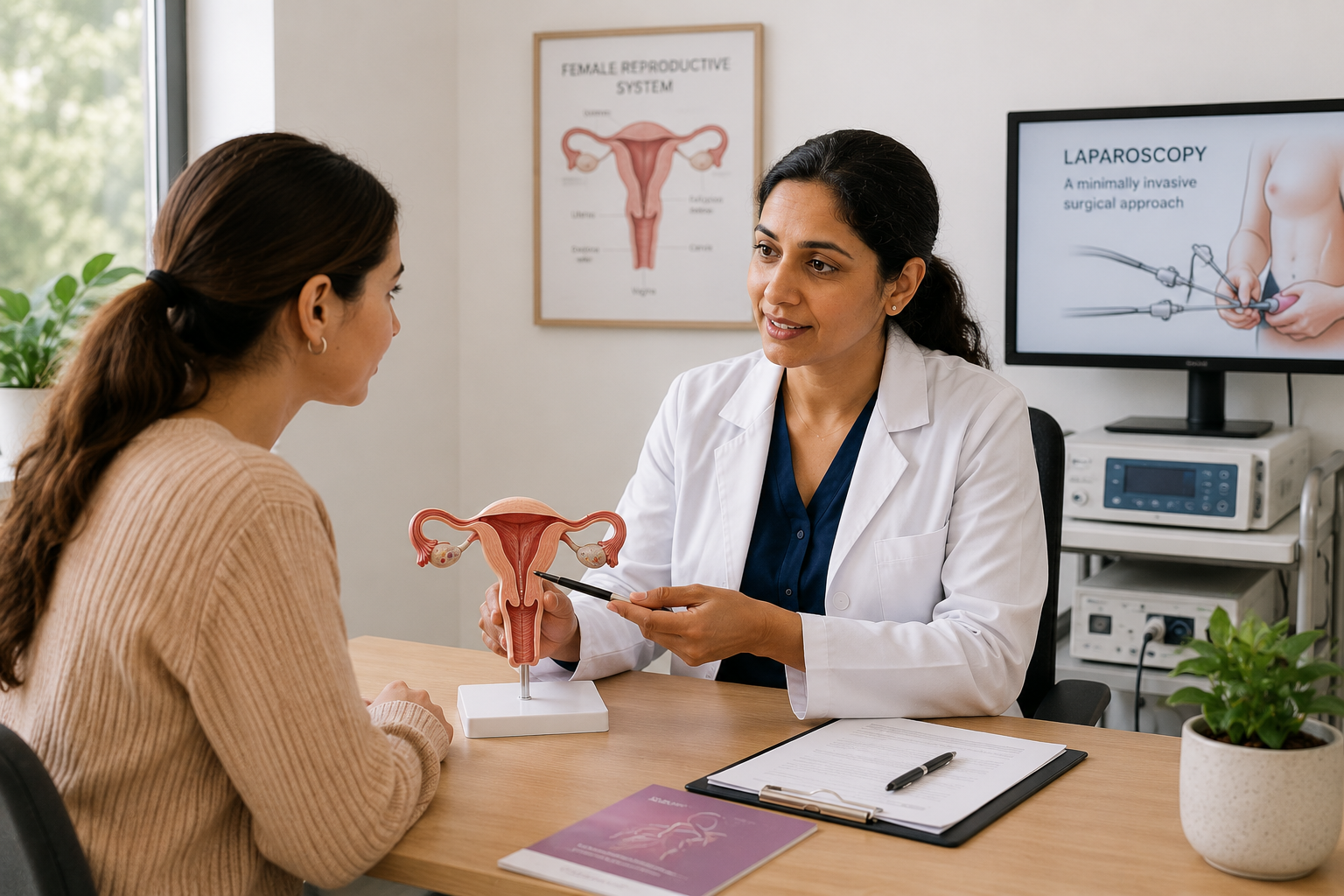

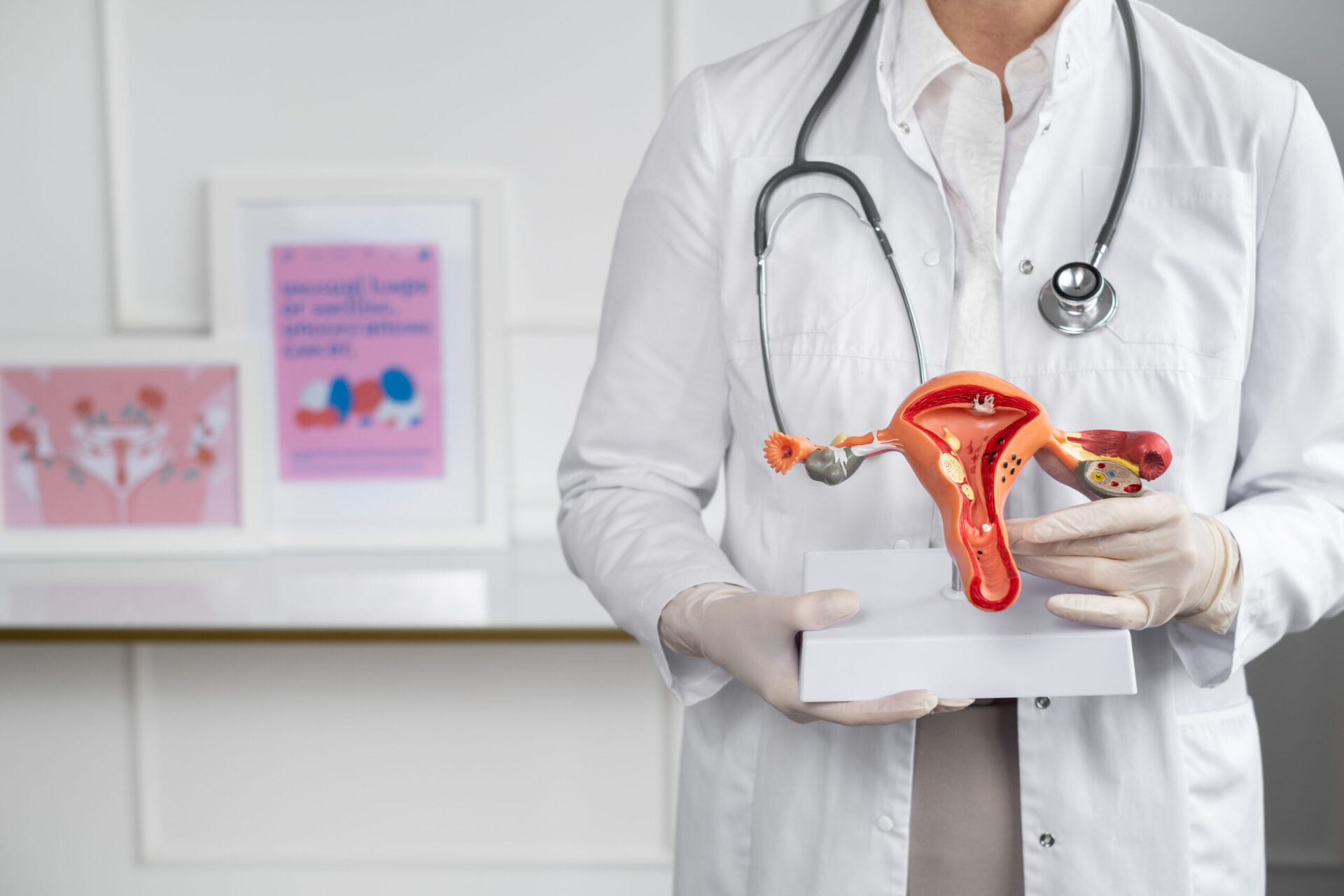
Many women experience changes in their menstrual cycle throughout their lives. Heavier periods, pelvic discomfort, bloating, or frequent trips to the bathroom are often dismissed as normal hormonal changes or a natural part of ageing. For some women, these symptoms may be caused by uterine fibroids. Understanding Fibroid symptoms and knowing when to seek medical advice can help women make informed decisions about their well-being. For women seeking specialised guidance, a uterine fibroid specialist Melbourne can help assess symptoms, confirm a diagnosis, and discuss suitable management options.
Why Do Many Women Ignore Fibroid Symptoms?
One of the biggest challenges with fibroids is that symptoms often develop gradually. A woman may notice her periods becoming slightly heavier over time or experience occasional pelvic pressure without considering that an underlying condition could be responsible.
Because these changes occur slowly, many women adapt to them rather than seeking advice. Common thoughts include:
- “I’ve always had heavy periods.”
- “I thought bloating was normal.”
- “I assumed pelvic discomfort was part of getting older.”
- “I didn’t realise frequent urination could be related.”
While these symptoms can occur for several reasons, they should not be ignored when they begin affecting daily comfort, work, relationships, or overall quality of life.
Common Fibroid Symptoms: Advice from a Uterine Fibroid Specialist Melbourne
Fibroids affect every woman differently. Some women experience no symptoms at all, while others notice changes that become increasingly difficult to manage over time.
Changes in Menstrual Bleeding and Bleeding Between Periods Treatment
Many women with fibroids experience heavier or longer menstrual periods. Some may also notice irregular spotting and begin searching for information about bleeding between periods treatment when unexpected bleeding occurs.
Heavy menstrual bleeding can affect energy levels, daily activities, and overall well-being. If bleeding patterns change significantly, medical assessment may help identify the underlying cause.
Pelvic Pressure and Fullness
Rather than causing sharp pain, fibroids often create a feeling of heaviness or pressure in the lower abdomen. This sensation may become more noticeable after prolonged sitting, standing, or physical activity.
Ongoing Pelvic Discomfort and Fibroid Surgery Pelvic Pain Concerns
Fibroids can contribute to persistent pelvic discomfort that affects everyday life. Women experiencing ongoing symptoms often discuss options related to fibroid surgery pelvic pain management when conservative measures no longer provide adequate relief.
Frequent Urination
As fibroids grow, they may place pressure on nearby organs such as the bladder. This can lead to increased urinary frequency, including waking at night to use the bathroom.
Lower Back Symptoms
Some women experience lower back discomfort that appears unrelated to physical activity or injury. Depending on the size and location of the fibroids, pressure on surrounding tissues may contribute to these symptoms.
How Fibroids Can Affect Everyday Life
The effects of fibroids extend beyond physical symptoms. Ongoing discomfort and heavy bleeding can influence daily routines, confidence, exercise habits, work performance, and emotional well-being.
For example, a woman who previously enjoyed regular exercise may begin avoiding fitness classes because of heavy bleeding or pelvic pressure. Another may find that frequent bathroom visits interrupt meetings, travel plans, or sleep.
Women with symptomatic fibroids may experience:
- Reduced energy levels
- Difficulty participating in physical activities
- Ongoing pelvic discomfort
- Interrupted sleep
- Concerns regarding fertility and family planning
These experiences are common and demonstrate why symptoms should not simply be accepted as something that must be endured.
Learn More About What Your Symptoms Could Mean
If you have noticed changes in your menstrual cycle, pelvic discomfort, or unusual bleeding patterns, speaking with a healthcare professional can help you better understand possible causes and available management options.
What Happens During a Medical Assessment?
Many women feel uncertain about seeking medical advice because they are unsure what the assessment process involves. In most cases, a healthcare professional will begin by discussing symptoms, medical history, and reproductive health goals.
Investigations may include:
- Pelvic examination
- Ultrasound imaging
- MRI scans are used when additional information is needed
- Blood tests to assess overall health
A common question women ask is:
“How do I know if heavy bleeding is caused by fibroids?”
Diagnostic imaging and clinical assessment are often the most reliable ways to determine whether fibroids are contributing to symptoms.
Uterine Fibroid Specialist Melbourne: Understanding Treatment Options
Treatment recommendations vary depending on symptoms, fibroid size, age, and future pregnancy plans. Not every fibroid requires treatment, and many women can be managed through monitoring and regular follow-up.
Women exploring fibroid treatment Melbourne options should understand that treatment plans are personalised rather than following a standard approach.
Monitoring and Symptom Management
For women with mild symptoms, regular monitoring may be sufficient. In some situations, medications may be recommended to help manage heavy bleeding or pelvic discomfort.
Minimally Invasive Procedures
Advances in women’s healthcare have introduced treatment options that may reduce symptoms without major surgery.
Examples include:
- Uterine artery embolisation (UAE)
- MRI-guided focused ultrasound treatment
A uterine fibroid specialist Melbourne can explain whether these procedures may be appropriate based on individual circumstances.
Laparoscopic Fibroid Surgery and Other Surgical Options
When symptoms significantly affect quality of life, surgery may be considered.
One commonly discussed option is laparoscopic fibroid surgery, which uses smaller incisions than traditional open surgery and may support a shorter recovery period for suitable candidates.
The most appropriate treatment approach depends on individual symptoms, treatment goals, and overall health.
When Should You Speak With a Healthcare Professional?
Consider seeking medical advice if you experience:
- Heavy or prolonged periods
- Bleeding between periods
- Persistent pelvic discomfort
- Frequent urination
- Ongoing bloating
- Difficulty conceiving
- Pain during intimacy
Early assessment can help identify potential causes and support timely management
Fibroids are common, but that does not mean their symptoms should be ignored. Changes such as heavy periods, pelvic pressure, frequent urination, or ongoing discomfort can affect daily life and deserve appropriate medical attention.
Recognising symptoms early, understanding available treatment options, and seeking timely advice can help women make informed decisions about their health. If symptoms are affecting your well-being, consider speaking with a qualified healthcare professional to discuss the next steps and receive personalised guidance.