
Receiving an abnormal cervical screening result can naturally raise many questions. If your doctor has recommended that you see a colposcopy specialist Melbourne, it’s understandable to feel unsure about what happens next. A colposcopy is a commonly performed examination that allows your specialist to take a closer look at your cervix and assess any changes identified during cervical screening.
In many cases, a colposcopy is simply the next step in learning more about your cervical health. Knowing what the procedure involves can help you feel more informed, reassured and prepared before your appointment.
What Is a Colposcopy?
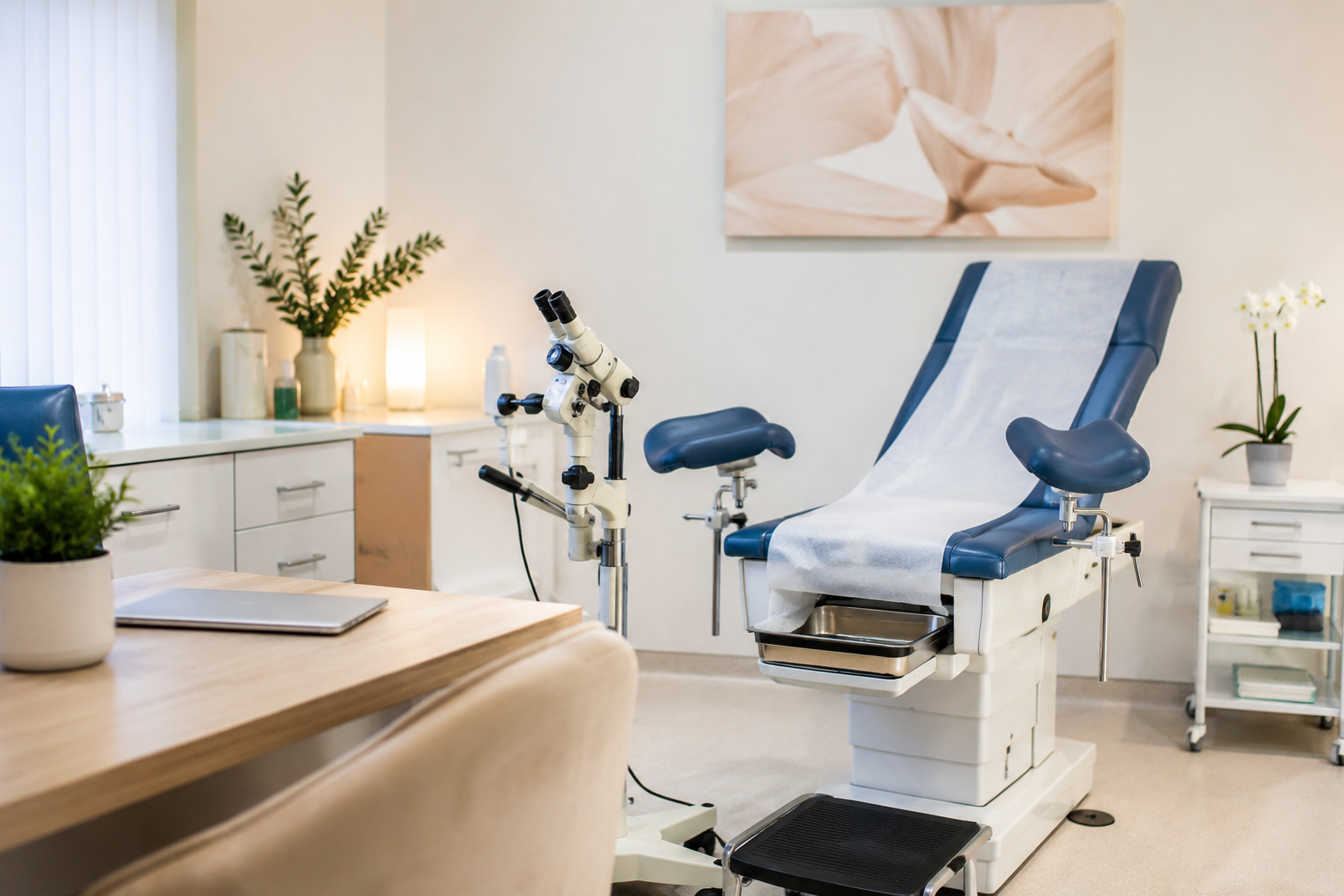
A colposcopy is a diagnostic examination that enables your gynaecologist to closely examine the cervix, vagina and vulva. During the procedure, a specialised microscope known as a colposcope is used to provide a magnified view of these tissues. The colposcope remains outside the body throughout the examination.
This closer view helps your specialist assess whether the tissue appears healthy, requires monitoring or needs further investigation. A colposcopy is usually performed in a clinic and generally takes between 15 and 30 minutes.
Why Might You Need a Colposcopy?
There are several reasons your doctor may recommend a colposcopy. One of the most common is following an abnormal Pap smear colposcopy referral, or an abnormal Cervical Screening Test result.
Although receiving an abnormal screening result can feel concerning, it doesn’t automatically mean there is a serious problem. Cervical cell changes are relatively common and are often associated with HPV (human papillomavirus) or other non-cancerous conditions. A colposcopy provides your specialist with more detailed information to help determine whether any further assessment or follow-up is required.
A colposcopy may be recommended if you:
- Have an abnormal Cervical Screening Test.
- Have tested positive for certain types of HPV.
- Have visible changes to the cervix during a pelvic examination.
- Experience unexplained bleeding after sexual intercourse or between periods.
- Require follow-up after previous cervical cell changes.
Every woman’s situation is unique, so your specialist will recommend further investigations based on your medical history, symptoms and screening results.
What Happens During a Colposcopy?
Understanding the steps involved can help you feel more at ease before the procedure.
During the examination:
- You will be asked to lie on an examination bed in the same position used for a cervical screening test.
- Your specialist will gently insert a speculum into the vagina to clearly view the cervix.
- The colposcope will remain outside the body while your specialist examines the cervix under magnification.
- A special solution may be applied to make any areas requiring closer assessment easier to identify.
- If needed, a small tissue sample (biopsy) may be collected and sent to a laboratory for further analysis.
Most women tolerate the procedure well. You may notice some pressure from the speculum, similar to what you experience during a cervical screening test.
How Can You Prepare for a Colposcopy?
Preparing for a colposcopy is usually straightforward. Your specialist may advise you to:
- Schedule your appointment when you are not having your menstrual period, if possible.
- Avoid using vaginal creams or medications before the procedure unless advised otherwise.
- Avoid sexual intercourse for 24 hours before your appointment if recommended.
- Take a simple pain reliever beforehand if your doctor suggests it.
What Happens After a Colposcopy?
Recovery is generally quick, and most women can return to their usual activities shortly after the procedure. If no biopsy is taken, you can typically continue your day as normal.
If a biopsy is taken, it’s common to experience:
- Mild cramping.
- Light spotting.
- Brown or dark vaginal discharge caused by the solution used during the procedure.
- Mild discomfort for one or two days.
To allow the cervix to heal properly, your specialist may advise avoiding tampons, swimming and sexual intercourse for a short period.
Although complications are uncommon, you should seek medical advice if you experience:
- Heavy bleeding.
- Severe or increasing pelvic pain.
- Fever.
- Foul-smelling vaginal discharge.
While these symptoms are uncommon, it’s important to contact your healthcare provider promptly if they occur.
Understanding Your Colposcopy Results
Your colposcopy results help your specialist determine whether any further care or follow-up is needed.
Possible findings include:
- No abnormal changes.
- Mild cervical cell changes that only require monitoring.
- Cell changes that may benefit from treatment.
- Findings that require further investigation.
If a biopsy has been taken, it will be sent to a pathology laboratory for analysis. Results are often available within one to two weeks, although this may vary depending on the laboratory.
Once your results are ready, your specialist will explain what they mean, discuss whether any follow-up is recommended and answer any questions you may have.
Is a Colposcopy Painful?
This is one of the questions specialists are asked most often.
For many women, a colposcopy feels similar to having a routine cervical screening test. You may experience some pressure from the speculum, but the examination itself is generally well tolerated because the colposcope remains outside the body.
If a biopsy is required, you may notice a brief pinching sensation followed by mild cramping.
Everyone experiences medical procedures differently, so if you’re feeling nervous, let your specialist know. They can explain each step as the examination progresses and help make you feel as comfortable as possible.
Why Early Assessment Matters
Cervical cell changes often develop without causing noticeable symptoms. That’s why attending regular cervical screening appointments and following your doctor’s recommendations for further assessment are so important.
A colposcopy helps your specialist to:
- Gain a clearer understanding of abnormal screening results.
- Detect cervical cell changes at an early stage.
- Recommend appropriate monitoring or treatment where needed.
- Support your long-term cervical health.
Early assessment doesn’t always mean treatment is necessary, but it helps ensure that any changes are managed appropriately based on your individual circumstances.
Conclusion
Being referred for a colposcopy can feel unfamiliar, but understanding why the procedure has been recommended and knowing what to expect can make the experience feel less overwhelming. A colposcopy provides valuable information about your cervical health and helps your specialist determine the most appropriate next steps based on your individual results.
If you’ve been advised to see a colposcopy specialist Melbourne or have questions about your cervical screening results, speaking with an experienced gynaecologist can help you better understand your options and feel more confident about your ongoing care.
Frequently Asked Questions
1. Why have I been referred to a colposcopy specialist in Melbourne?
You may be referred after an abnormal Cervical Screening Test, a positive high-risk HPV result, unexplained bleeding or visible cervical changes. A colposcopy allows the specialist to examine the cervix more closely and decide whether monitoring, a biopsy or further care is needed.
2. Does an abnormal cervical screening result mean I have cervical cancer?
No. Most abnormal screening results do not mean cervical cancer is present. They may indicate HPV or cervical cell changes that require closer assessment. A colposcopy helps clarify the result and determine the appropriate next step.
3. Is a colposcopy painful, and how long does it take?
A colposcopy usually takes around 15 to 30 minutes. Many women describe it as similar to a cervical screening test. A biopsy may cause a brief pinching sensation or mild cramping, but individual experiences can vary.
4. What should I expect after a colposcopy biopsy?
Mild cramping, light spotting or brown discharge can occur for a few days. Your specialist may advise you to avoid tampons, swimming and sexual intercourse temporarily. Seek medical advice for heavy bleeding, fever, severe pain or unpleasant-smelling discharge.
5. How long do colposcopy results take, and what happens next?
If a biopsy is collected, results are commonly available within one to two weeks, although timing varies between laboratories. Your specialist will explain the findings and discuss whether you need routine screening, closer monitoring, treatment or further investigation.